


God loves those who seek repentance – and in fact, he himself seeks out souls to offer them this gift, so that he may receive them back into his friendship:
Editor’s Notes
Following the terrifying parable of the Great Banquet, read on the Second Sunday after Pentecost, the Gospel on the Third Sunday recounts two parables about God’s love for those who seek repentance – and, in fact, his determination to seek them.
The two parables read at Mass – the Lost Sheep and the Lost Coin – immediateley precede the longer parable of the Prodigal Son. Although this latter parable is not read at Mass, its proximity and treatment in the same chapter of Fr Coleridge’s work make it appropriate to include it with the articles for this Sunday.
These parables directly follow the Pharisaic murmuring over Christ’s association with sinners, and they represent Our Lord’s answer against this criticism. They recall earlier controversies over the same matter (e.g., St Matthew’s feast).
Here is the Gospel:
At that time, the publicans and sinners were drawing near to Him to listen to Him. And the Pharisees and the Scribes murmured, saying, This man welcomes sinners and eats with them. But He spoke to them this parable, saying, What man of you having a hundred sheep, and losing one of them, does not leave the ninety-nine in the desert, and go after that which is lost, until he finds it? And when he has found it, he lays it upon his shoulders rejoicing. And on coming home he calls together his friends and neighbors, saying to them, ‘Rejoice with me, because I have found my sheep that was lost.’ I say to you that, even so, there will be joy in heaven over one sinner who repents, more then over ninety-nine just who have no need of repentance. Or what woman, having ten drachmas, if she loses one drachma, does not light a lamp and sweep the house and search carefully until she finds it? And when she has found it, she calls together her friends and neighbors, saying, ‘Rejoice with me, for I have found the drachma that I had lost.’ Even so, I say to you, there will be joy among the angels of God over one sinner who repents.
The three parables progressively reveal God’s joy at the conversion of sinners – first through metaphors of ownership (sheep, coin), and then through the full human story of father and son. Each builds upon the last, and continues the themes of loss and pursuit, discovery and conversion, and the responses provoked in others.
These parables affirm both the Church’s mission to seek sinners and the joy of Heaven at each conversion. They also rebuke the spirit of the “elder brother,” found then in the Pharisees – and still today, both inside and outside of the Church. They offer a lesson of continuing importance: zeal for purity cannot turn into “purity spirals,” and cannot eclipse charity – lest one fall further than the penitent.
Parables of God’s Love for Sinners
The Preaching of the Cross, Part II
Chapter IX
St. Luke xv. 1—32 ; Story of the Gospels, § 124
Burns and Oates, 1886.
(Read at Holy Mass on the Third Sunday after Pentecost)
Part I: How Jesus responds to the charge of associating with sinners
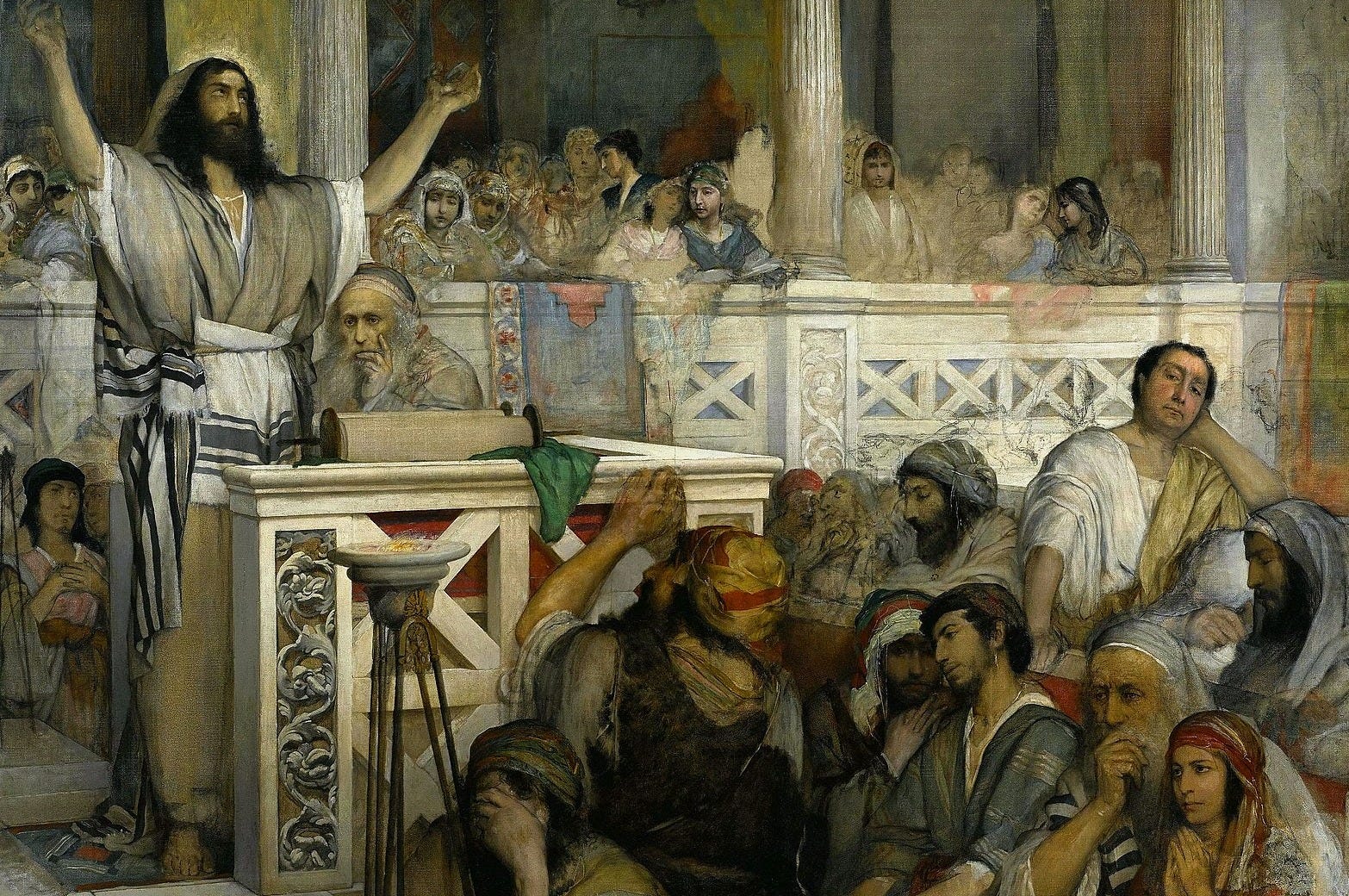
The captiousness of the Pharisees prompted Our Lord to respond with three distinct parables.
Part II: The accusation you might miss in the Parable of the Lost Sheep

This parable is not just about God’s love – it’s also a condemnation of hirelings who should be shepherds.
Part III: How a wandering sheep differs from lost coin in Christ’s parables
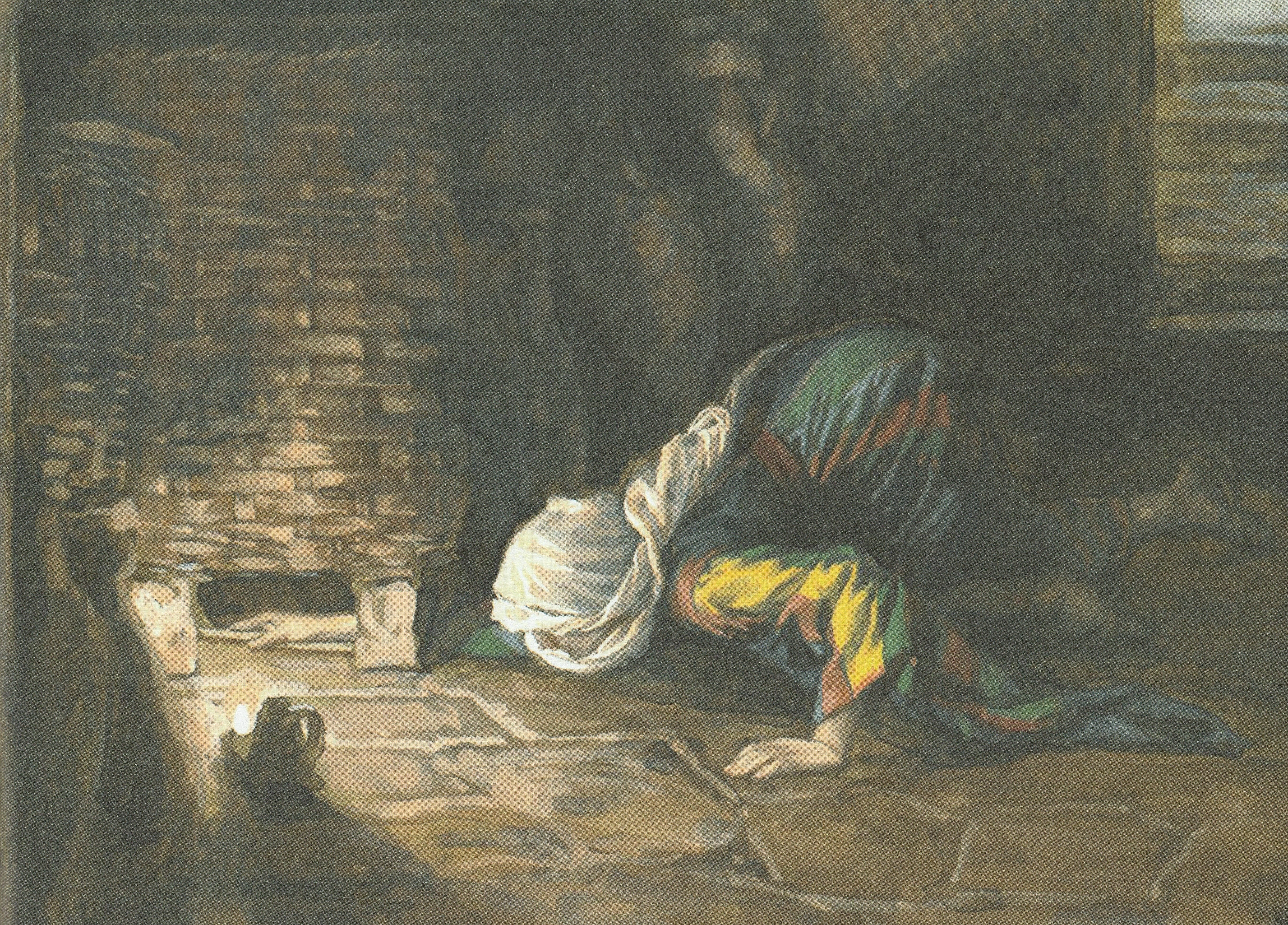
The parable of the lost coin reveals how souls may be lost through negligence within the Church, not merely by wandering away from her.
Part IV: Does God love repentant sinners more than those who stay faithful?
Heaven’s joy over repentant sinners is like our own relief after loss.
BONUS ARTICLES: THE PRODIGAL SON
Part V: Why does the younger son want his inheritance, when he lacks for nothing?

The Prodigal’s rebellion begins in craving independence – the root sin beneath the others.
Part VI: Why does the father give the Prodigal his portion, knowing what he will do with it?
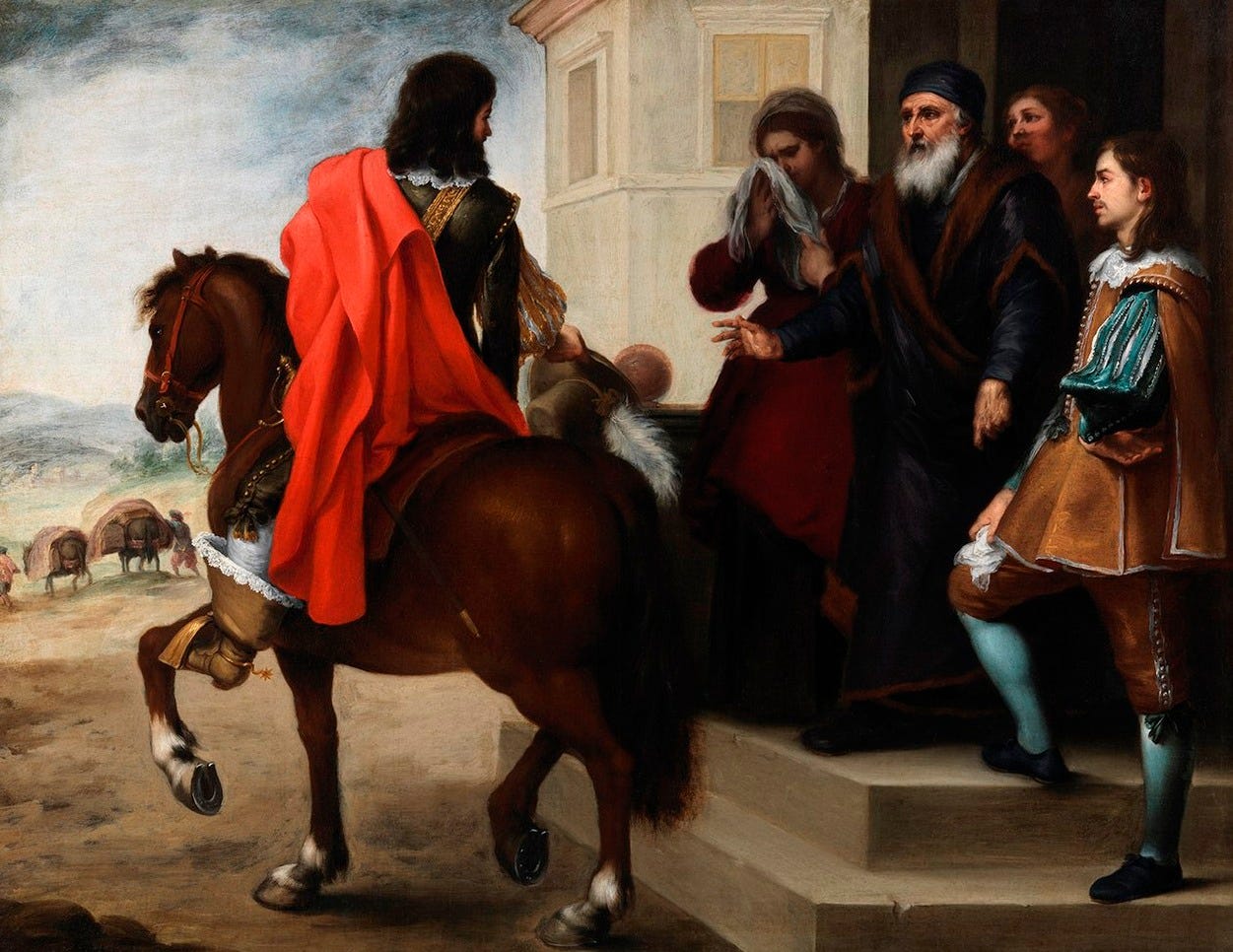

God honours our freedom by letting rebellion run its course, and uses the consequences as a means of awakening us to our plight.
Part VII: Why God’s pardon can be a greater triumph to Him than a benefit to us
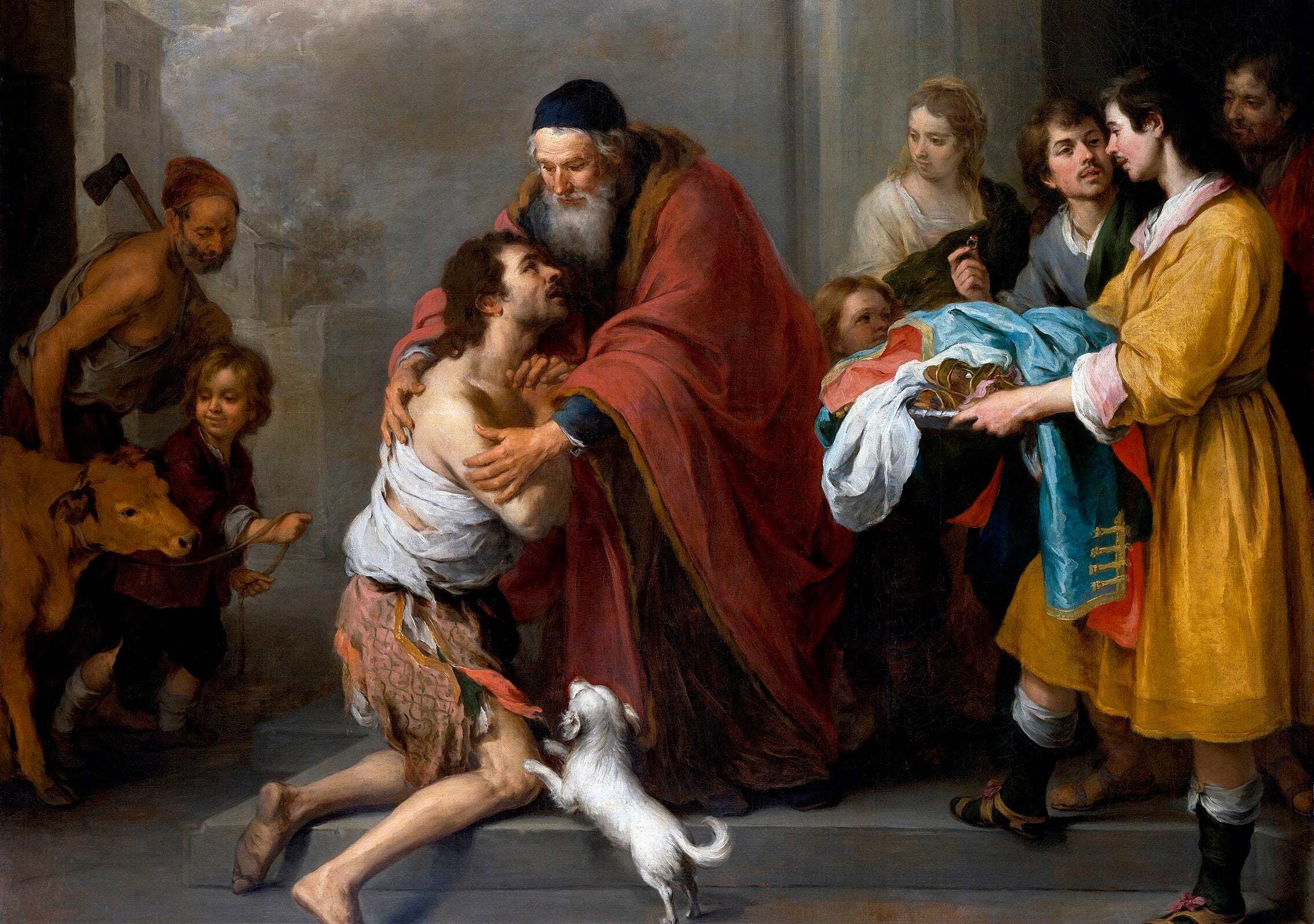
The father’s extravagant welcome reveals God’s pardon, restoring the penitent to full sonship rather than the mere servitude for which he had hoped.
Part VIII: Does the Prodigal’s Elder Brother represent the Jewish people?
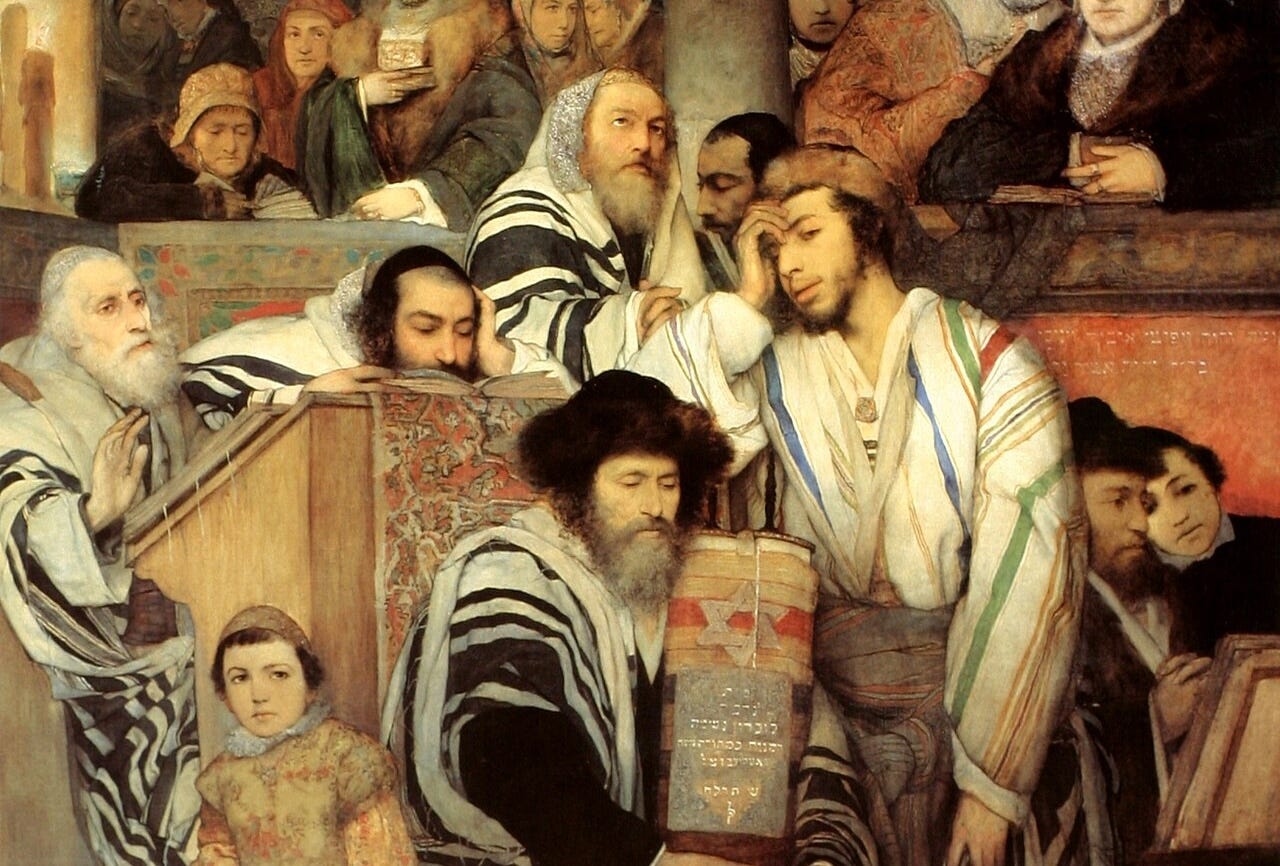
In one sense, yes; although as we shall see in the next part, he can also represent us too.
Part IX: Can WE be the Prodigal’s Elder Brother?
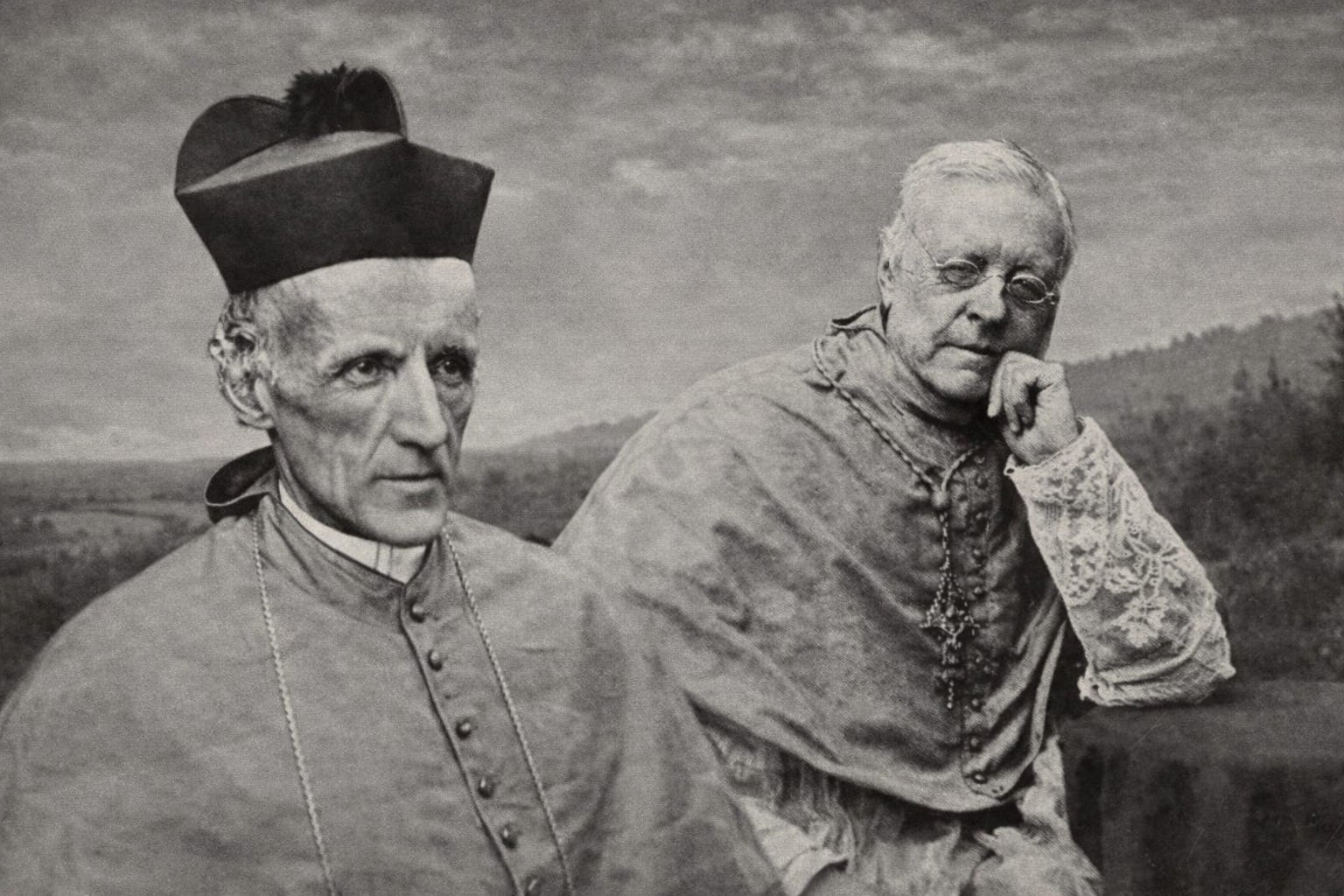
Although a primary reading of the Parable of the Prodigal Son is about the vocation of the Gentiles, it also contains a lesson about how Catholics should behave towards converts.
LISTEN: Why you can and should return to God TODAY
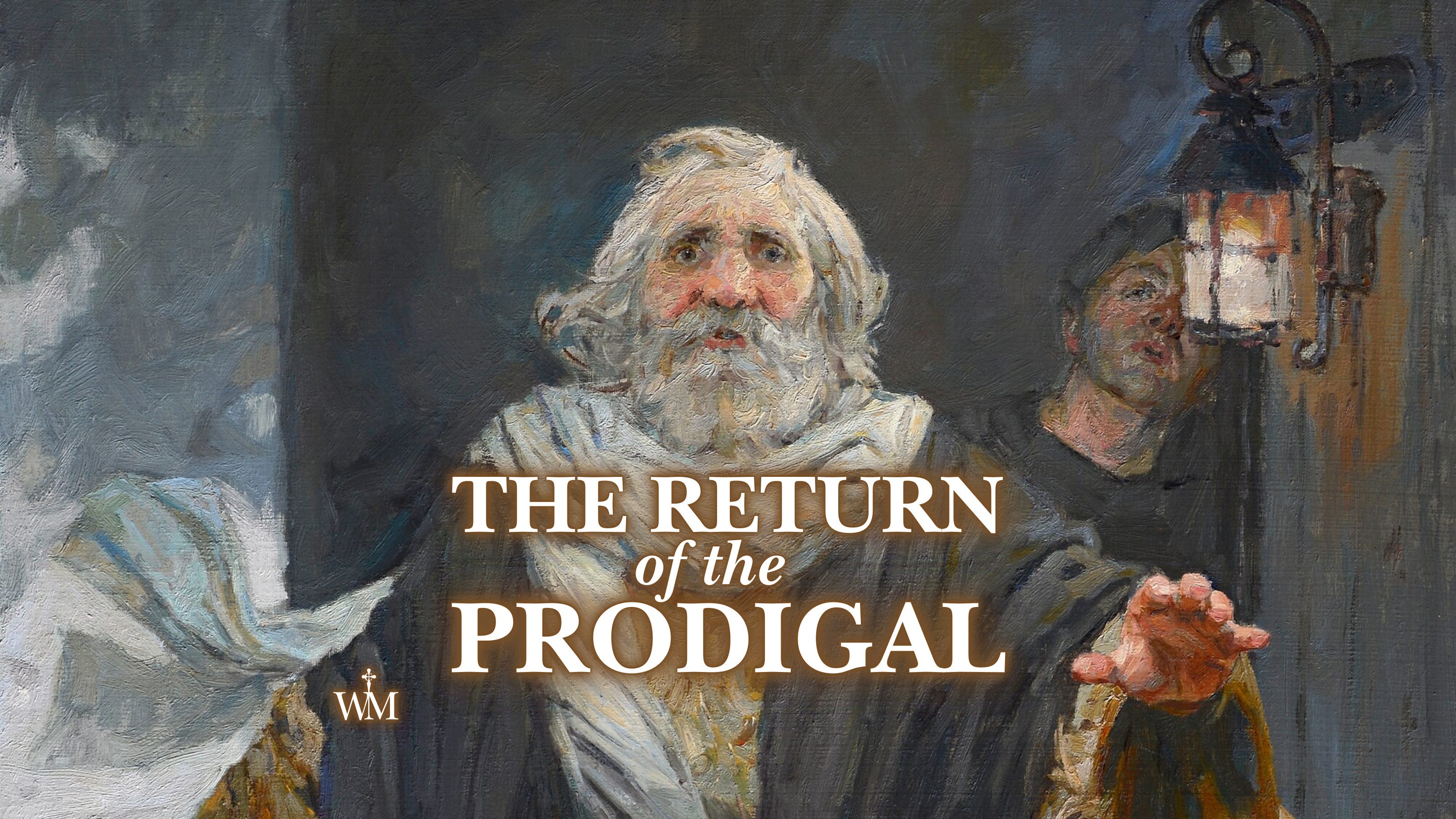
The parable of the Prodigal Son is the dawn at the end of a period focused on sin, death, judgement and Hell.
Here’s why you should subscribe to The Father Coleridge Reader and share with others:
Fr Coleridge provides solid explanations of the entirety of the Gospel
His work is full of doctrine and piety, and is highly credible
He gives a clear trajectory of the life of Christ, its drama and all its stages—increasing our appreciation and admiration for the God-Man.
If more Catholics knew about works like Coleridge’s, then other works based on sentimentality and dubious private revelations would be much less attractive.
But sourcing and curating the texts, cleaning up scans, and editing them for online reading is a labour of love, and takes a lot of time.
Will you lend us a hand and hit subscribe?
Follow our projects on Twitter, YouTube and Telegram:
Twitter (The WM Review)