
First Sunday of Lent – Jesus in the Desert
Lent opens with Christ fasting in the desert for forty days, being tempted by the Devil, and being comforted by the Angels.


Lent opens with Christ fasting in the desert for forty days, being tempted by the Devil, and being comforted by the Angels.
Editor’s Notes
The Gospel of the First Sunday of Lent is that of Christ’s forty days in the desert.
Fr Coleridge deals with this episode across three chapters of The Ministry of Saint John the Baptist:
The Fasting of Our Lord
The Temptations of Our Lord
The Ministering Angels.
These parts are included below – along with The WM Review’s commentary on the liturgical propers of the day, and Top Five Lent Articles.

Fasting of Our Lord
Part I: Why Our Lord retired into the desert to fast

Jesus’ retreat to the desert, after the theophany at his baptism, was a sign that something special was about to happen – the inauguration of the Messianic Kingdom.
Part II: Why Our Lord fasted for forty days

As with every incident of Our Lord’s life, he wishes to teach us by example – but how are we to imitate him?
Temptations of Our Lord
Part I: Why Jesus submitted to be tempted by the Devil
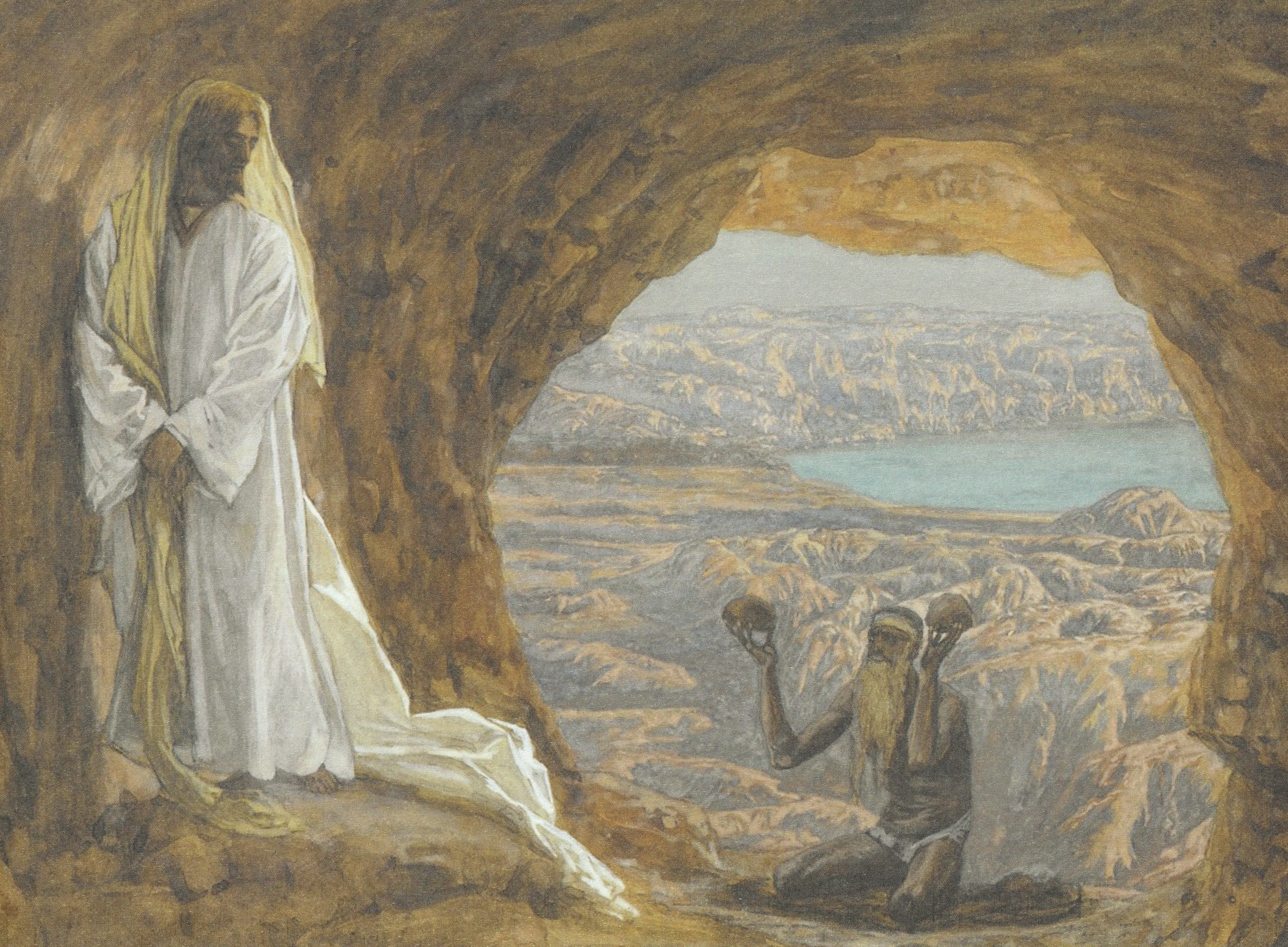
No one can escape being tempted – and Christ shows us how to overcome these trials.
Part II: Why the Devil wanted to tempt Jesus

The Devil was alarmed by the appearance of this mysterious man from Nazareth. Fearing that he was the Messias, or even the Incarnate God, he hanted to see if his fears were justified.
Part III: Why the first temptation was about more than just bread and hunger
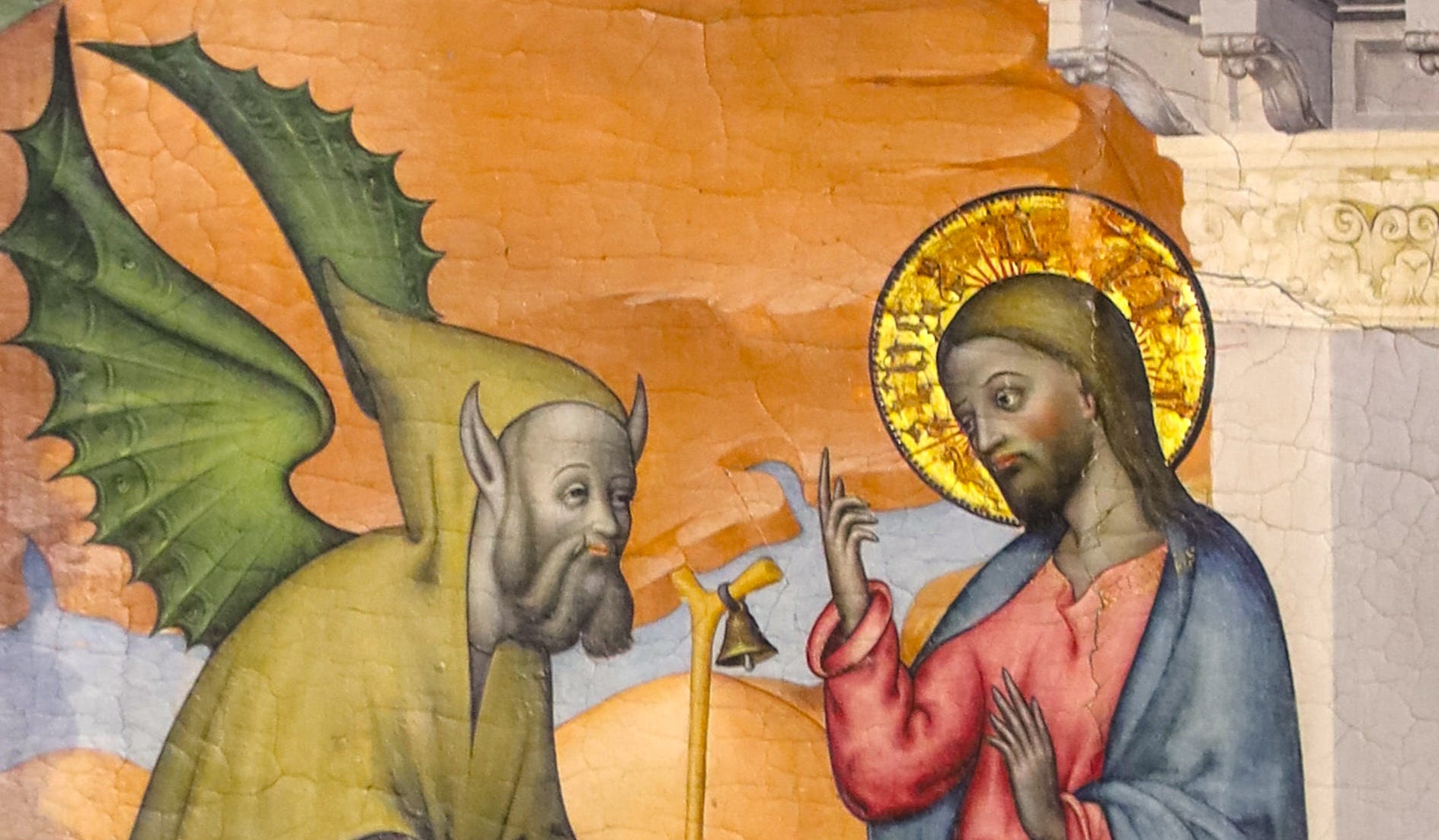
The Devil’s suggestion that Our Lord turn stones into bread seems innocuous, but carries something more sinister...
Part IV: Why the Devil suggested that Christ fall down and worship him
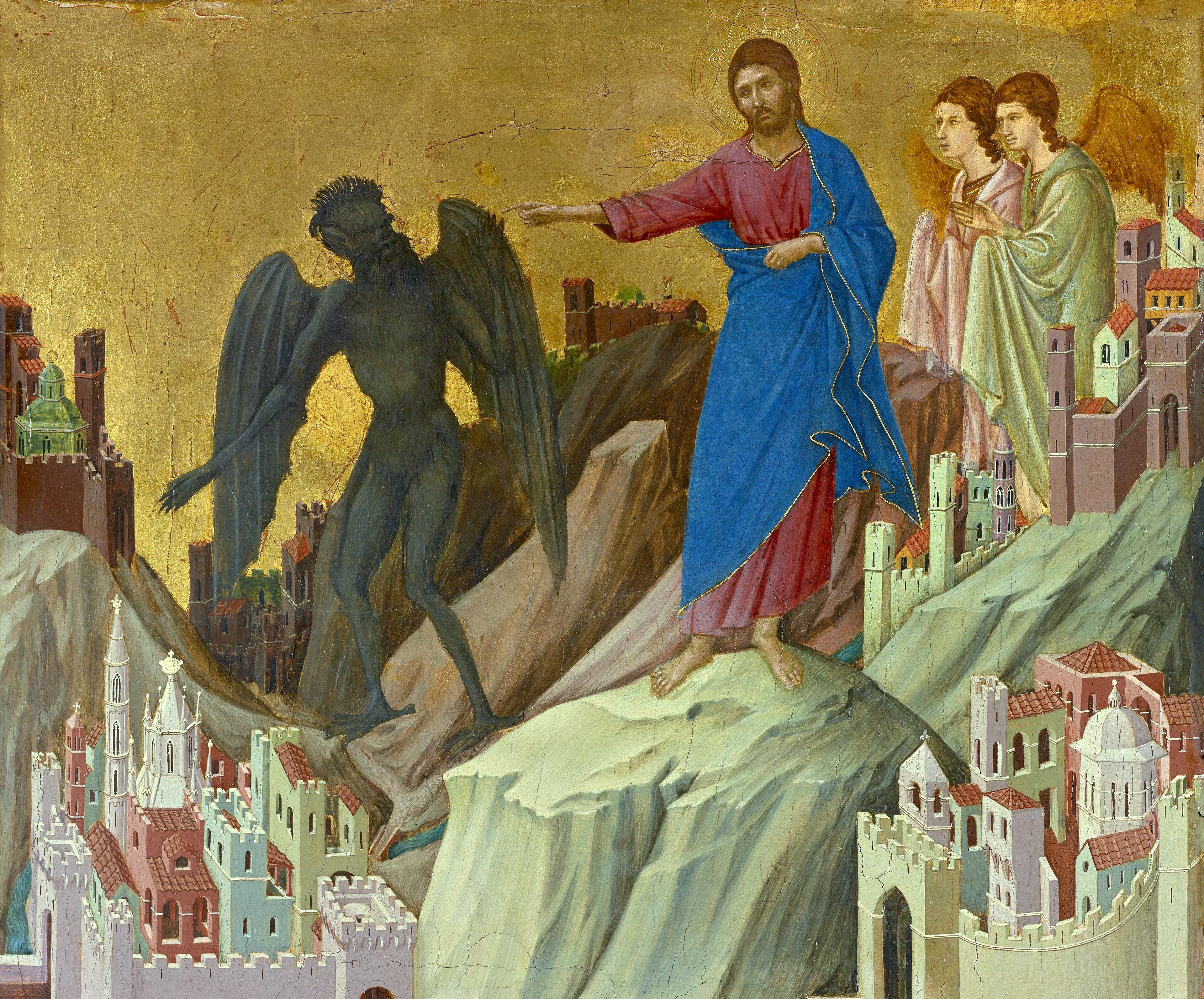
Behind each temptation, Satan has multiple ulterior motives – so that a temptation to one sin may really be designed to have us fall into another.
Part V: Why the temptation at the pinnacle of the temple was the climax of Satan’s assault

Knowing that God does not help those who presume upon his mercy, the final temptation was in fact a suggestion towards destroying himself.
Bonus Note: On the action of the gifts of the Holy Ghost
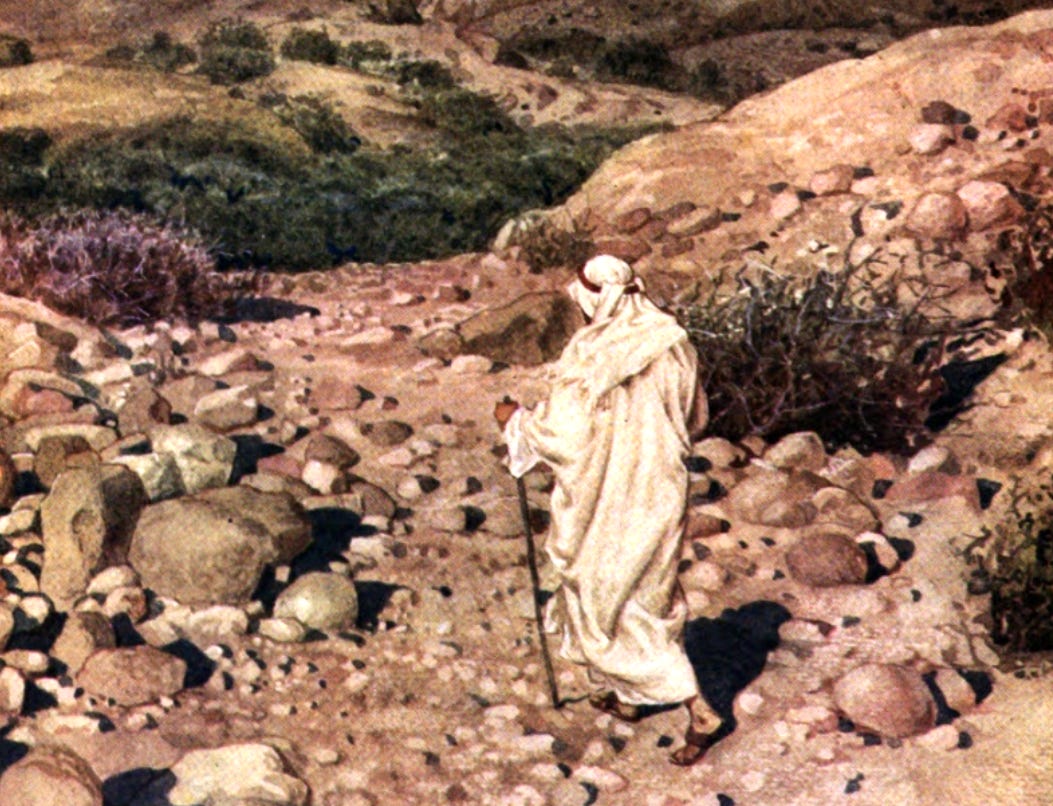
The Evangelists tell us that Our Lord was “led” or even “driven” into the desert. What does this mean?
Bonus Note: On the order of the Temptations
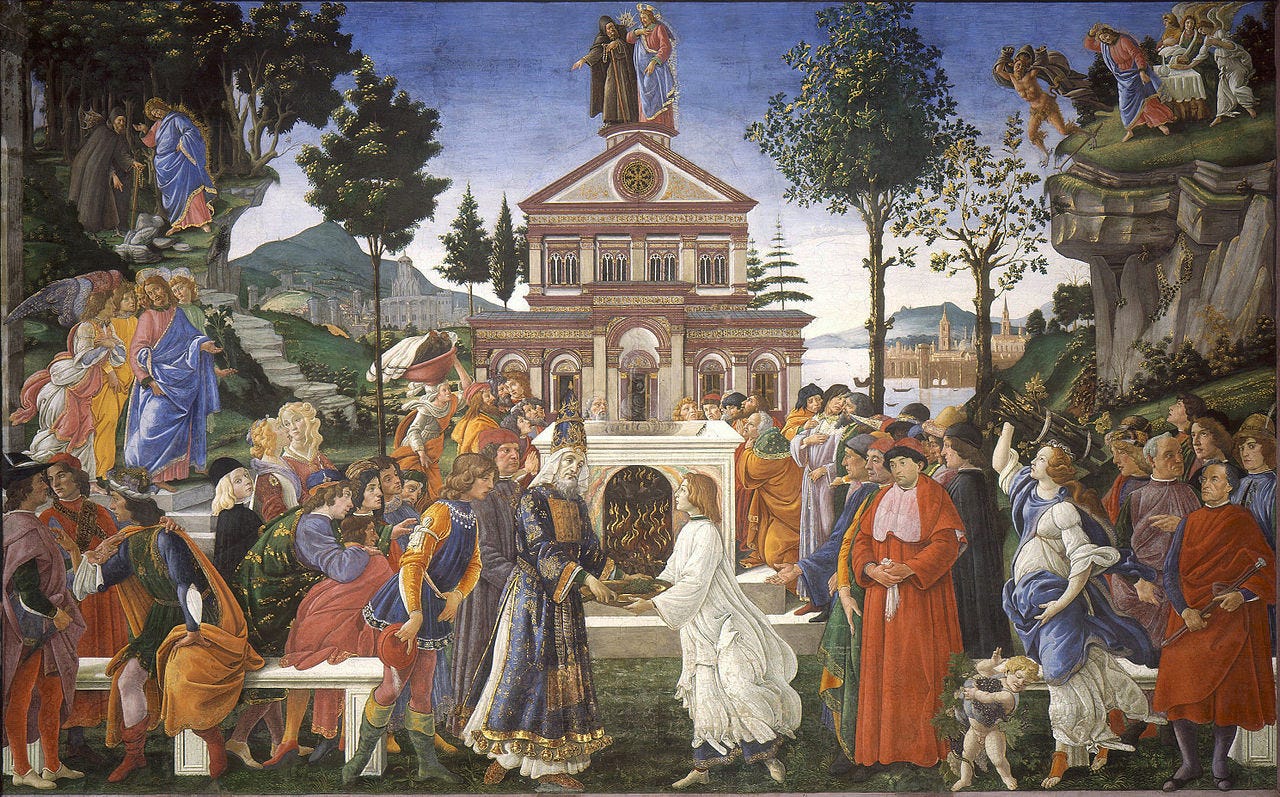
St Matthew and St Luke give different orderings for the three temptations. Which should be followed?
The Ministering Angels
Part I: Why the temptation represent Christ’s victory over the Devil – and what this means for us
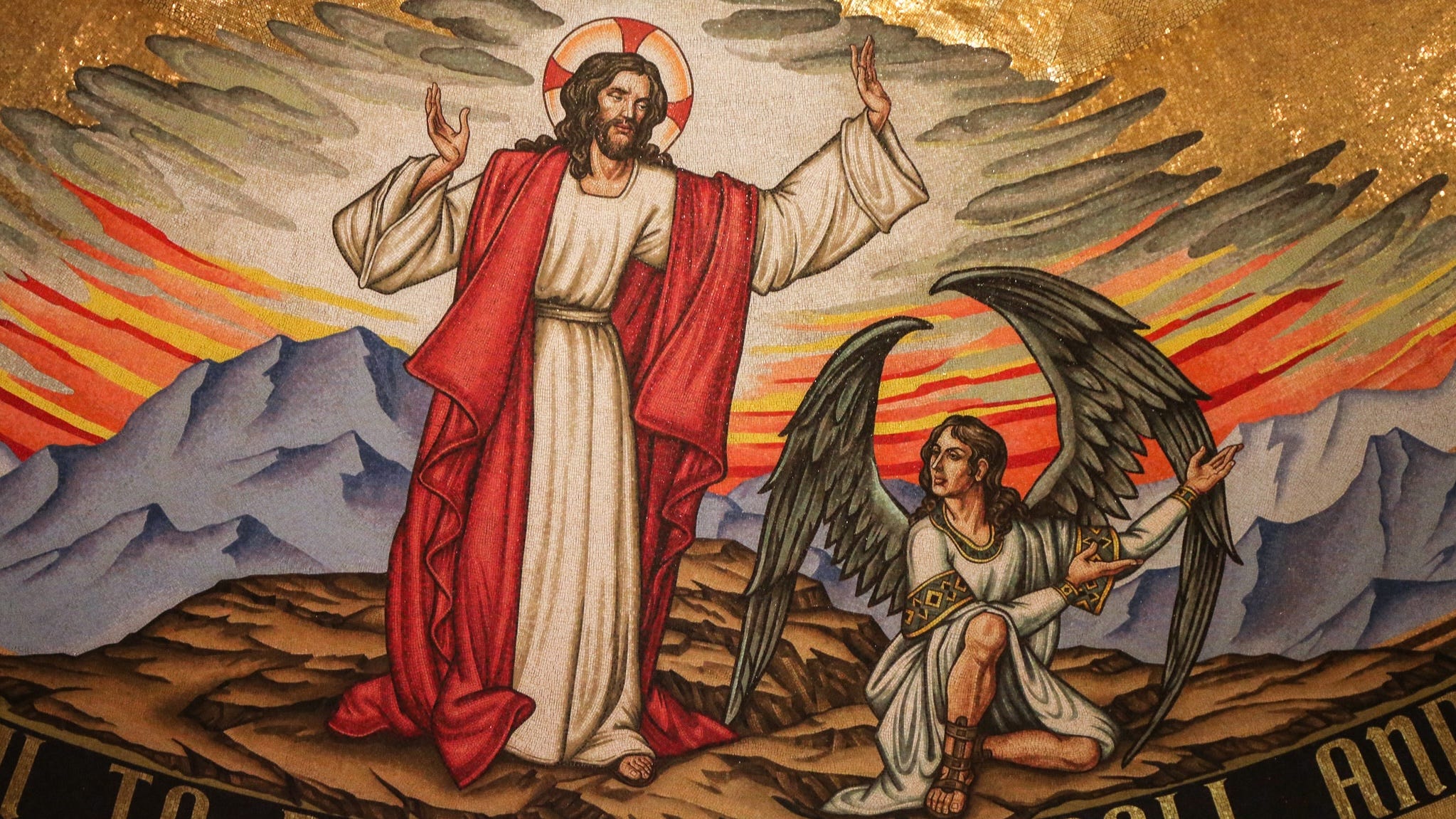
Christ did not just resist Satan’s temptations, and then continue as if nothing had happened. This episode represents an important victory for him—and us.
Part II: The importance of the angels coming to minister to Christ
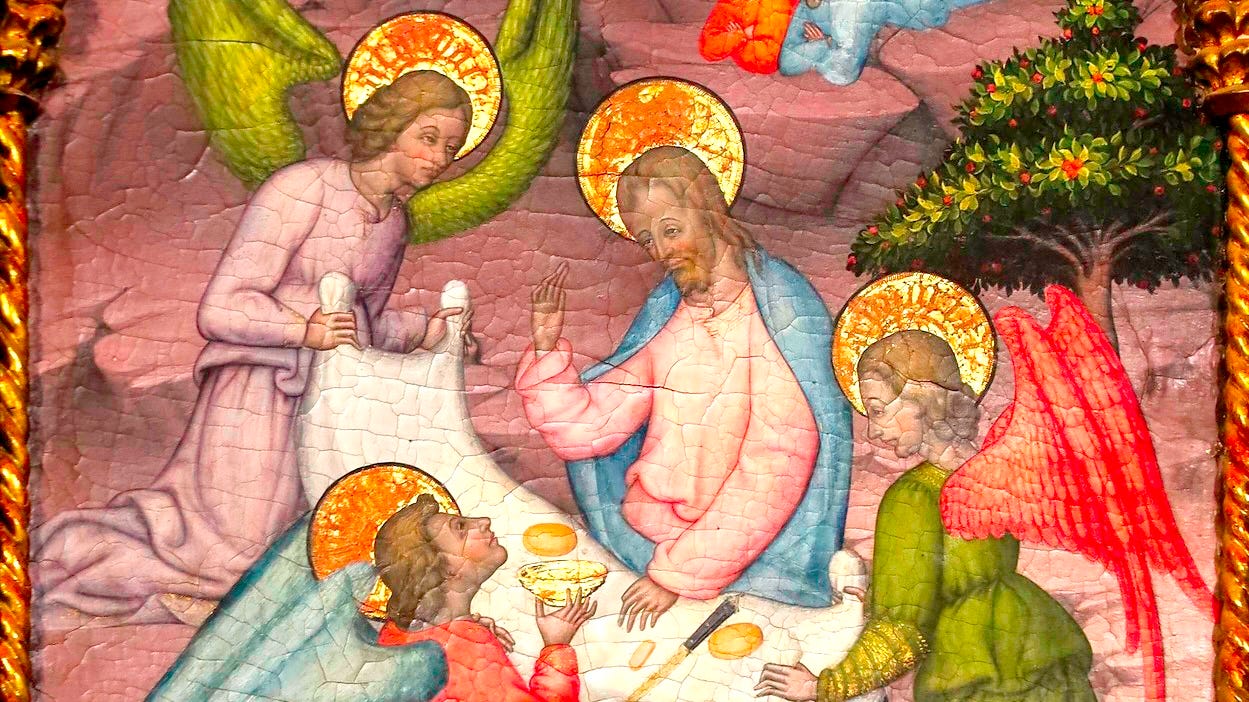
More happened in the desert than just Christ’s fasting and temptation.
Bonus Articles
The Surprising Start to the Sundays of Lent

After the dread of Septuagesima and the death sentence of Ash Wednesday, the Roman Liturgy takes a surprising change in tone.
The WM Review’s Top Five Lent Articles


Father Coleridge Reader is a project of The WM Review. Here are our favourite five sets of WM Review articles for the Lenten period.
Here’s why you should subscribe to The Father Coleridge Reader and share with others:
Fr Coleridge provides solid explanations of the entirety of the Gospel
His work is full of doctrine and piety, and is highly credible
He gives a clear trajectory of the life of Christ, its drama and all its stages—increasing our appreciation and admiration for the God-Man.
If more Catholics knew about works like Coleridge’s, then other works based on sentimentality and dubious private revelations would be much less attractive.
But sourcing and curating the texts, cleaning up scans, and editing them for online reading is a labour of love, and takes a lot of time.
Will you lend us a hand and hit subscribe?
Follow our projects on Twitter, YouTube and Telegram:
Twitter (The WM Review)