

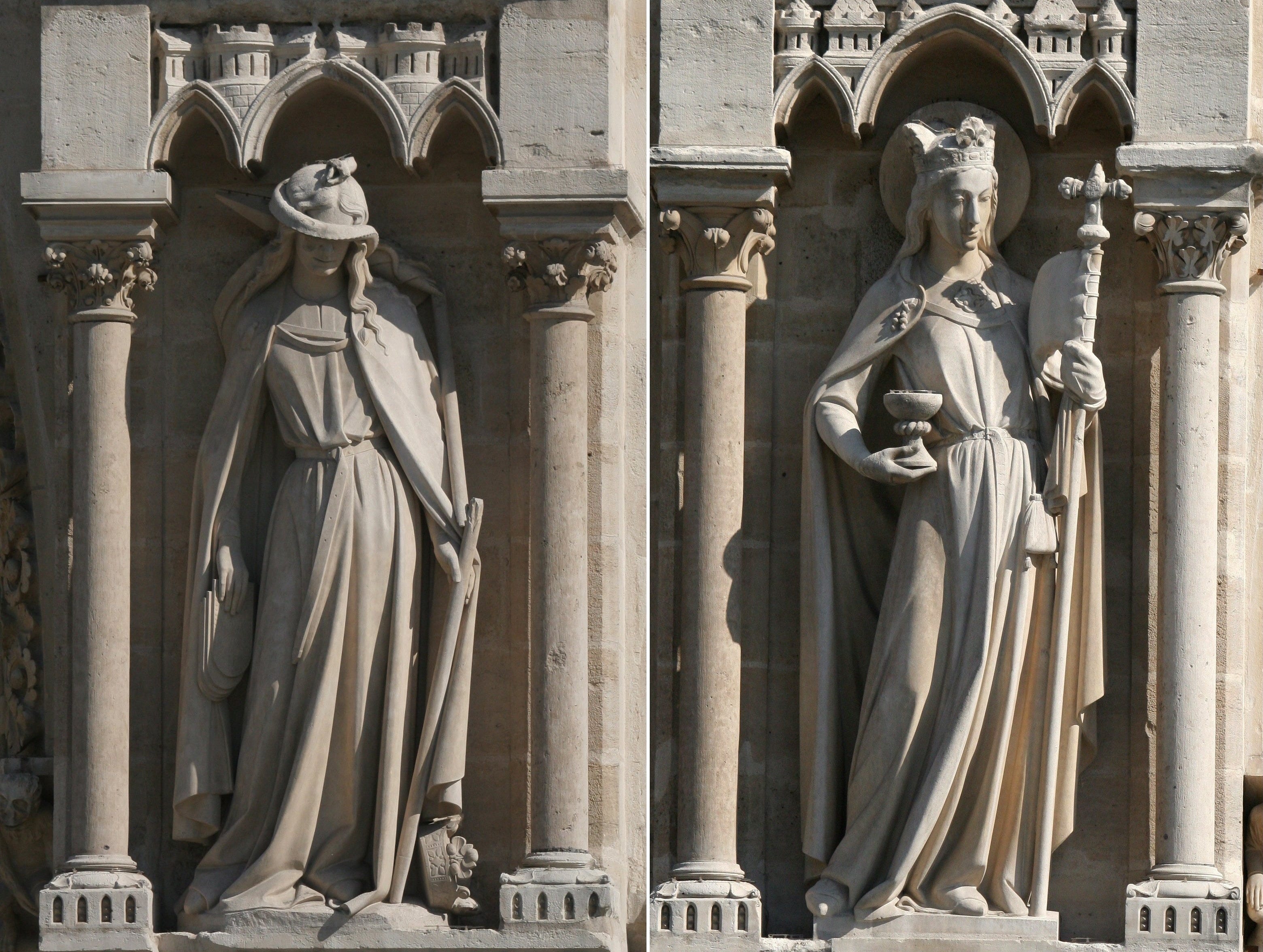
In Eastertide, we hear Christ preparing his Apostles for his Ascension and for Pentecost – and on the last Sunday before the Ascension, he prepares them for the Church herself.
Editor’s Notes
On the Fifth Sunday after Easter, the Church returns to John 16 – which she had been reading on the Third Sunday.
This part of John 16 focuses particularly on Our Lord’s instructions about prayer and confidence. Our Lord wishes his Apostles to understand that his Passion changes the nature of prayer, such that we now approach God in the name of the Incarnate Word, the Second Person of the Blessed Trinity and the Head of the Mystical Body, the Church.
In this, the Church is more than just the Synagogue continued – although she certainly is its fulfilment. But she is a fundamentally new reality, unlike anything that came before or that could follow.
He presents this wonderful truth in order to inspire his Apostles to persevere amidst the persecutions and trials which await the Church Militant while she lives and works in the world. This shall be the case until the Last Day, at which point (as St Augustine wrote):
“There shall be one Christ, loving Himself.”1
Parting Words
Passiontide, Part III, Chapter VI
Chapter VI
St. John xvi. 16-33, Story of the Gospels, § 156
Burns and Oates, London, 1886
Part I: What is the difference between prayer before and after the Cross?
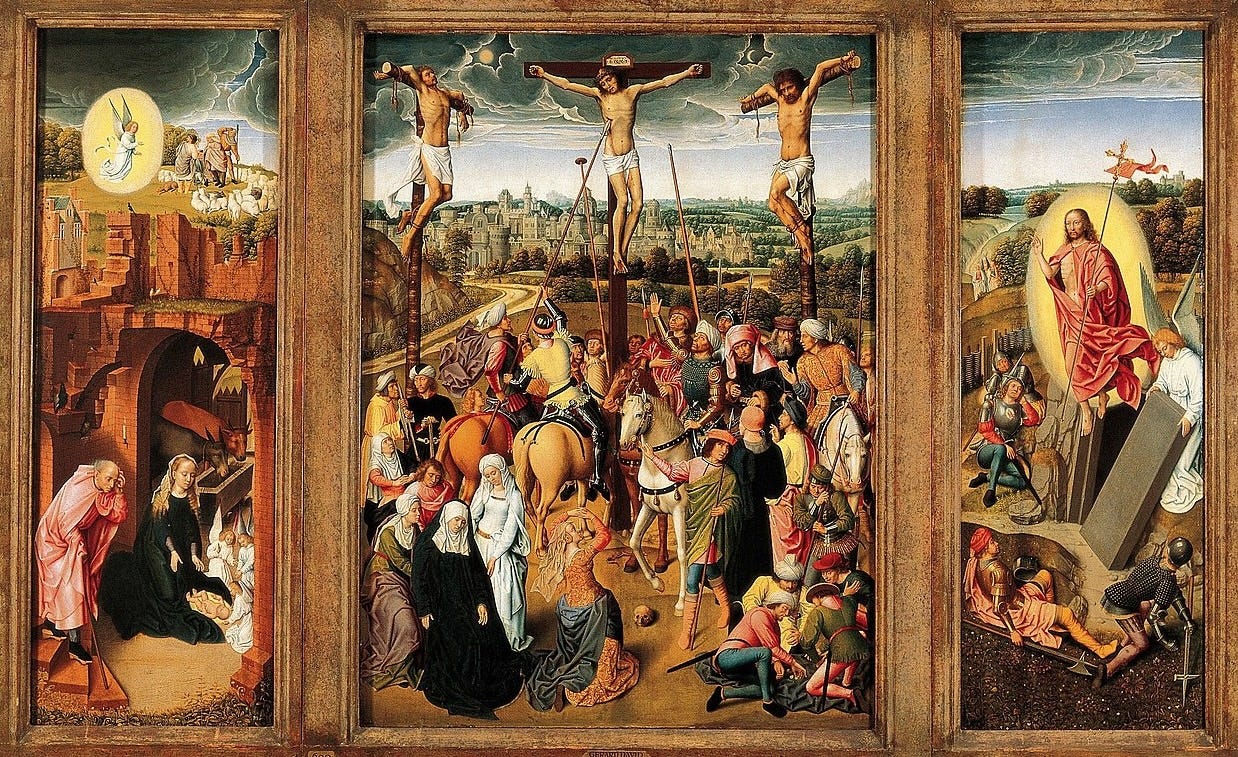

After the Crucifixion, prayer in Christ’s Name drew power from his Sacrifice—filling the Apostles with unshakable joy.
Part II: How does the power of the Apostles’ prayer continue in the Church?
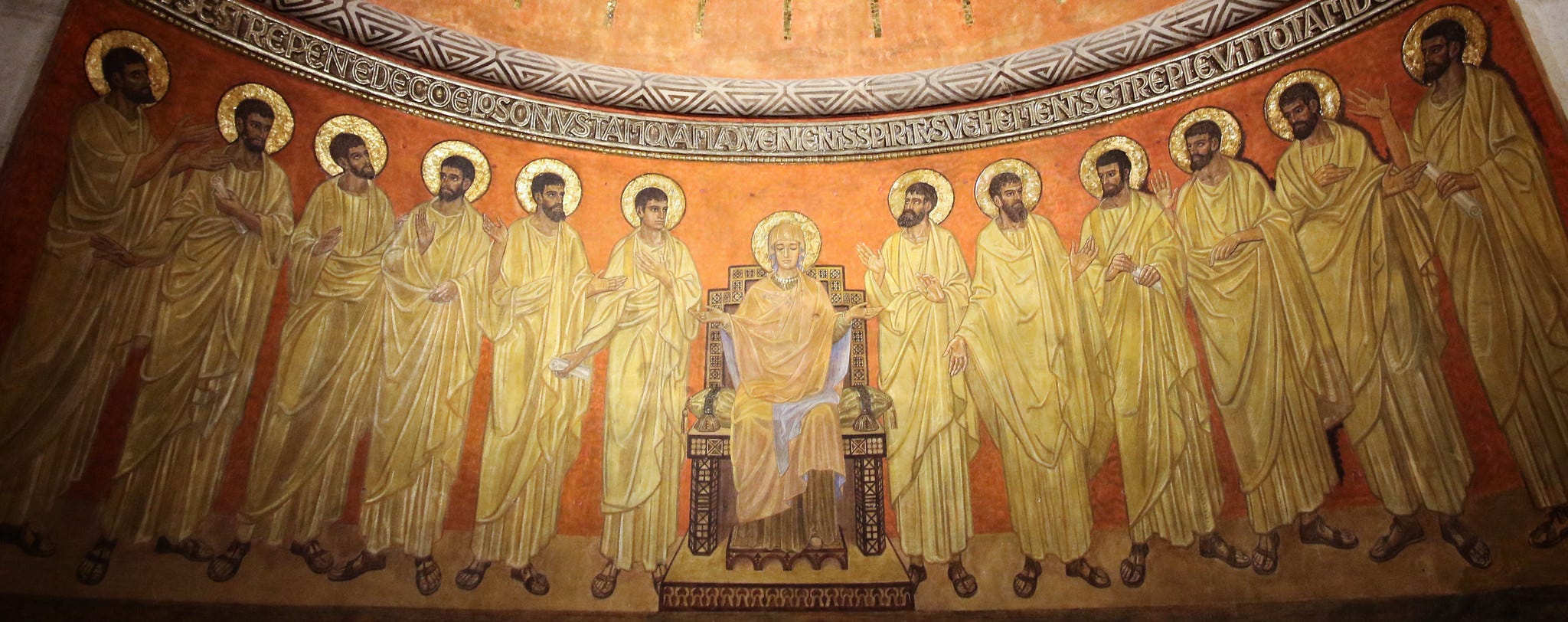
The Apostles were the first to pray with the full power of Christ’s Sacrifice. Catholics should call on their powerful intercession.
Part III: How Christ’s plain words before the Cross reveal his love for the Apostles
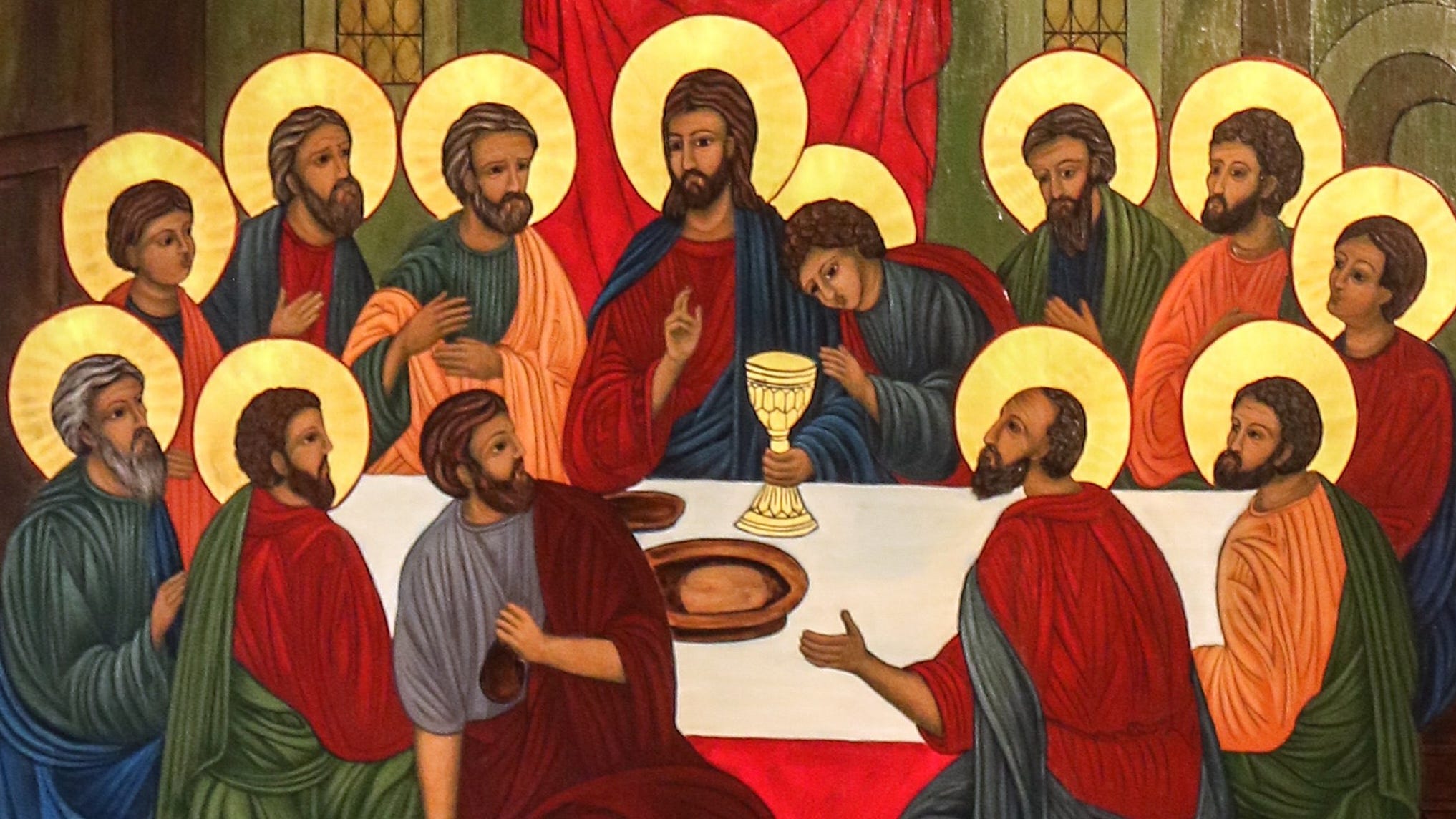
Christ waited to speak plainly to his Apostles—so their faith would grow freely. His words revealed not only who he was, but how deeply he loved them.
Part IV: Why Christ says ‘Have confidence, I have overcome the world’

When Christ tells the Apostles, ‘Have confidence, I have overcome the world,’ He speaks not of future victory but of a battle already won.
Here’s why you should subscribe to The Father Coleridge Reader and share with others:
Fr Coleridge provides solid explanations of the entirety of the Gospel
His work is full of doctrine and piety, and is highly credible
He gives a clear trajectory of the life of Christ, its drama and all its stages—increasing our appreciation and admiration for the God-Man.
If more Catholics knew about works like Coleridge’s, then other works based on sentimentality and dubious private revelations would be much less attractive.
But sourcing and curating the texts, cleaning up scans, and editing them for online reading is a labour of love, and takes a lot of time.
Will you lend us a hand and hit subscribe?
Follow our projects on Twitter, YouTube and Telegram:
Twitter (The WM Review)
St Augustine, Homily 10 on the First Epistle of John. Translated by H. Browne. From Nicene and Post-Nicene Fathers, First Series, Vol. 7. Edited by Philip Schaff. (Buffalo, NY: Christian Literature Publishing Co., 1888.) Revised and edited for New Advent by Kevin Knight. <https://www.newadvent.org/fathers/170210.htm>.