

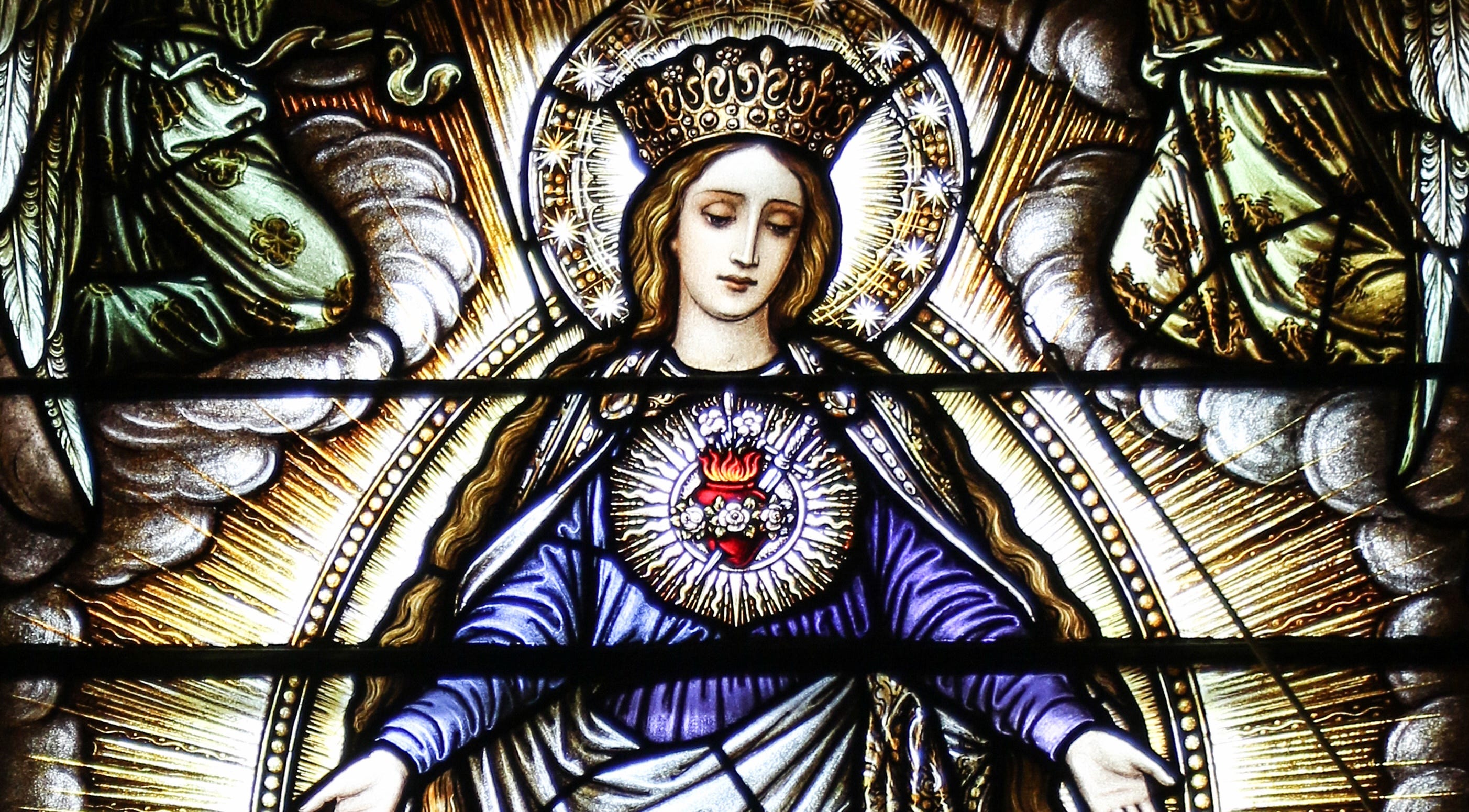
We can only inherit our own bodies if we embrace the meekness of the beatitude.
Editor’s Notes
In this part, Fr Coleridge tells us…
How meekness gives a man mastery over his own body and passions.
That purity, peace, and influence all grow from the same hidden root of meekness.
Why the meek win hearts on earth before inheriting the land of heaven.
He shows us that meekness is not weakness, but the quiet dominion which prepares the soul for the kingdom of God.
For more information on this mini-series, see Part I.
The Meek possessing the Land
The Preaching of the Beatitudes
Chapter XIII
St. Matt. v. 4; Story of the Gospels, § 31
Burns and Oates, London, 1876.
Meekness mini-series contents:
Three meanings of the land
It must be remembered that there are also other senses which have been adopted by Christian interpreters of the text, which convey deep truths, and may also be combined with what has already been said.
In the first place, some holy writers say that the meek possess the land on which they tread, the land which they carry with them, and the land which they seek.1
The land which they carry with them is their own body, and it is a matter of daily experience that those who subdue the passions of anger, envy, revenge, self-will, and the like, are rewarded by God by the empire over their own body, the subjugation of the more carnal part of their nature, while on the other hand, pride, anger, and the other kindred passions, where they are allowed to rule, are ordinarily accompanied by or tend to the indulgence of even the filthiest lusts.
This is so true that even intellectual pride and the pride which leads men into heresy, the subjects of which are usually men of cultivation and even of religious profession, are nevertheless frequently chastised by the rebellion of the lower appetites.
Meekness and purity
The pattern of all purity, on the other hand, is our Blessed Lady, the humblest and the meekest of the daughters of Eve, she to whom the Church sings—
Virgo singularis,
Inter omnes mitis,
Nos culpis solutos,
Mites fac et castos.
It cannot be too much insisted upon, that any indulgence of anger, pride, irritability, a domineering temper, or again, of vanity, conceit, and the other faults which have so great a tendency to blind men to their own defects, is nearly connected with the rebellion of the lower appetites, and that it may be in vain to chastise the flesh and to endeavour to keep down the more carnal passions by mortification, as long as those others are left unchecked.
For as Cassian writes:
‘As much as a man advances in gentleness and patience of heart, so much will he advance also in purity of body. And so much the further as he has driven back the passion of anger, so much the more firmly will he grasp the virtue of chastity. For no one will avoid the fiery heat of the body, but he who has first repressed the movements of the mind. And this is most openly declared by that Beatitude which is praised by our Lord’s own mouth, when He says, “Blessed are the meek, for they shall possess the land.”
‘In no other way, therefore, shall we possess the land, that is, in no other way shall the rebellious earth of this our body be subjected to us, but by the firm foundation of our mind, in the first instance, on the gentleness of patience: nor will any one be able to keep down the rising battles of lust in his own flesh, unless he be first armed with the weapon of meekness. For “the meek shall possess the land, and shall dwell therein for ever”.’
Father Coleridge Reader is a labour of love. But curating, cleaning up and publishing these texts takes real work.
To keep this project going, and to make more of this treasury available, we rely on reader support. Some posts are reserved for members to sustain this mission.
We’re trying to keep something precious alive.
If you’ve benefited, consider joining us as a subscriber. It makes a real difference.