

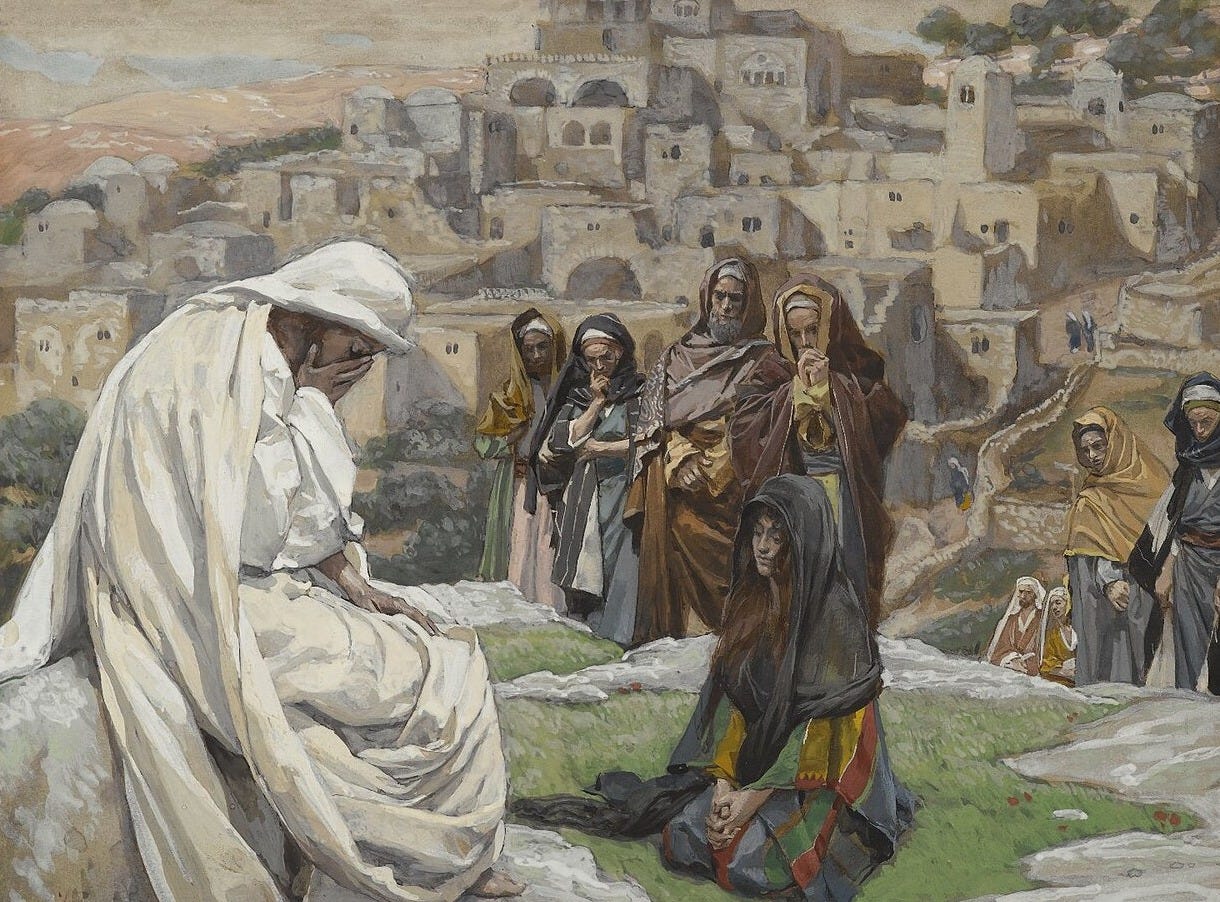
On entering Jerusalem, Christ lamented that the Holy City would reject him – to its own destruction.
Editor’s Notes
On the Ninth Sunday after Pentecost, the Roman Liturgy returns to Holy Week – with words taken from the first Palm Sunday, and then from the following day.
At that time, when Jesus drew near to Jerusalem and saw the city, He wept over it, saying, If you had known, in this your day, even you, the things that are for your peace! But now they are hidden from your eyes. For days will come upon you when your enemies will throw up a rampart about you, and surround you and shut you in on every side, and will dash you to the ground and your children within you, and will not leave in you one stone upon another, because you have not known the time of your visitation. And He entered the temple, and began to cast out those who were selling and buying in it, saying to them, It is written, ‘My house is a house of prayer,’ but you have made it a den of thieves. And He was teaching daily in the temple. (Luke 19:41–47)
St Luke’s account suggests that the Temple was cleansed immediately upon Our Lord’s arrival. However, St Mark’s account makes clear that it occurs on the following day – Our Lord having retreated to Bethany for the evening. In the interim between the two events recounted in the Gospel, Our Lord curses a fig tree; after the second event, the Apostles find it to have withered away. This may appear to be a very strange miracle, but Fr Coleridge explains why Our Lord acted in this way, and why he seems to “change the subject” after the event.
The Procession of Palms
and
The Barren Fig-Tree
Passiontide, Part I, Chapters II and III
St. Matt. xxi. 14-17; St. Mark xi. 1-11; St. Luke xix. 29-44; St. John xii. 12-18 and St. Matt. xxi. 19–22; St. Mark xi. 13–26; St. Luke xix. 45–48.
Story of the Gospels, § 132 and § 134
Burns and Oates, London, 1889
Read on the Eighth Sunday after Pentecost.
Part 0: Why Christ wept over Jerusalem in Holy Week
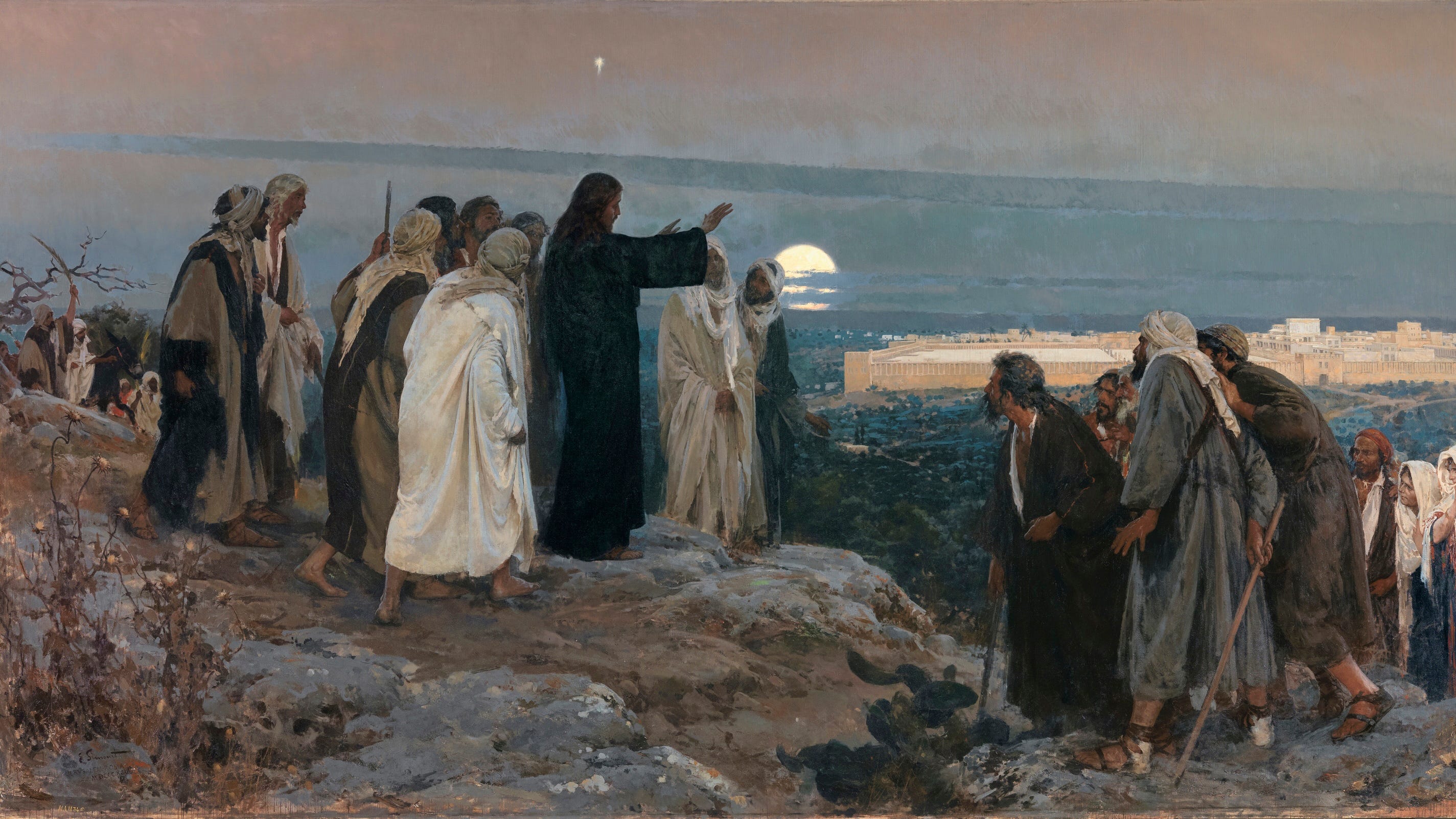
It was not too late for them to repent – nor is it too late for us.
Part I: Cursing the fig tree: Jesus’ strangest miracle?
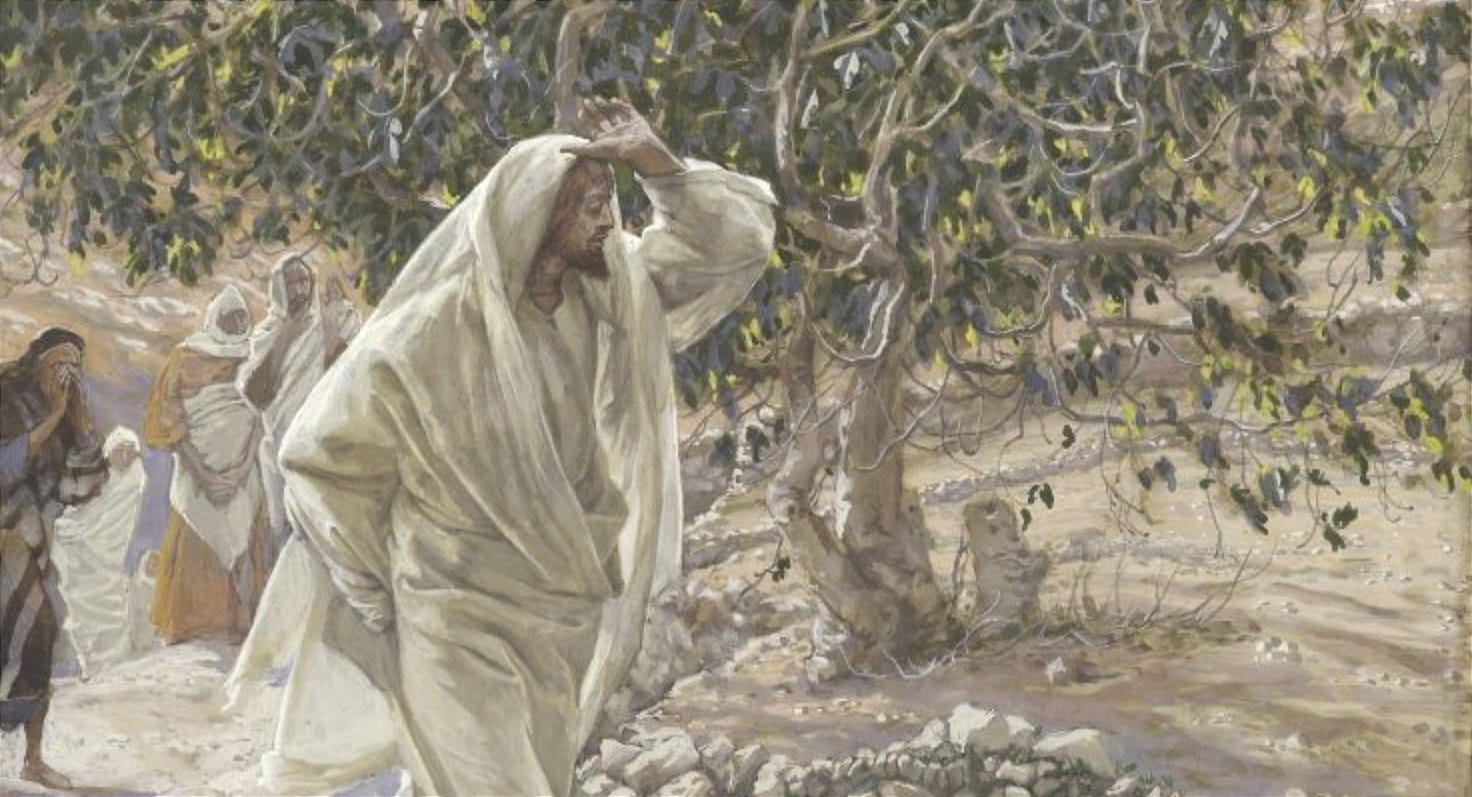
Why did Christ curse the fig tree if it wasn’t even fig season?
Part II: Christ’s cleansing of the Temple – and what happened next
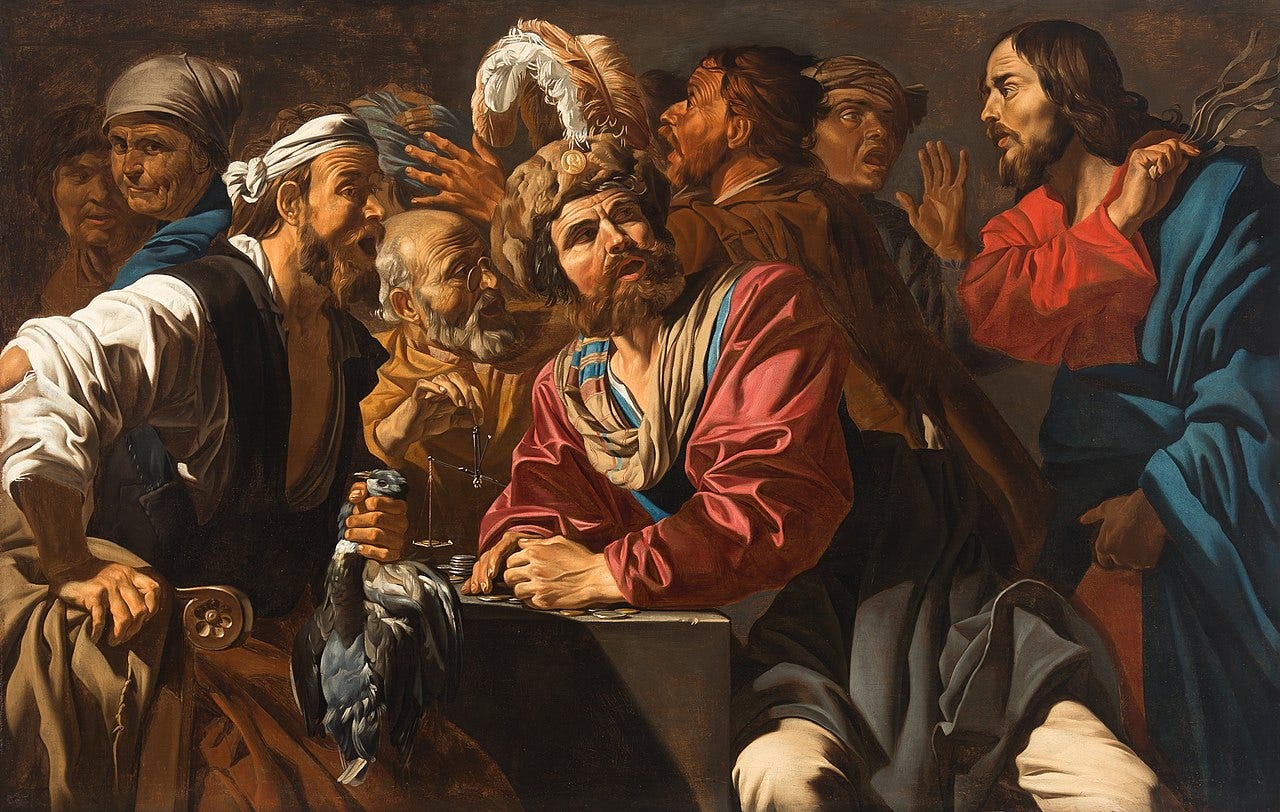
After cursing the fig-tree, Jesus enters the Temple, casts out the traders, and begins His solemn teaching. And the key to it all is the fig-tree.
Part III: How Christ explains the cursing of the fig-tree


After revealing the judgment on a fruitless faith, Our Lord explains that the miracle of the fig tree demonstrates to the power of true prayer.
Here’s why you should subscribe to The Father Coleridge Reader and share with others:
Fr Coleridge provides solid explanations of the entirety of the Gospel
His work is full of doctrine and piety, and is highly credible
He gives a clear trajectory of the life of Christ, its drama and all its stages—increasing our appreciation and admiration for the God-Man.
If more Catholics knew about works like Coleridge’s, then other works based on sentimentality and dubious private revelations would be much less attractive.
But sourcing and curating the texts, cleaning up scans, and editing them for online reading is a labour of love, and takes a lot of time.
Will you lend us a hand and hit subscribe?
Follow our projects on Twitter, YouTube and Telegram:
Twitter (The WM Review)