

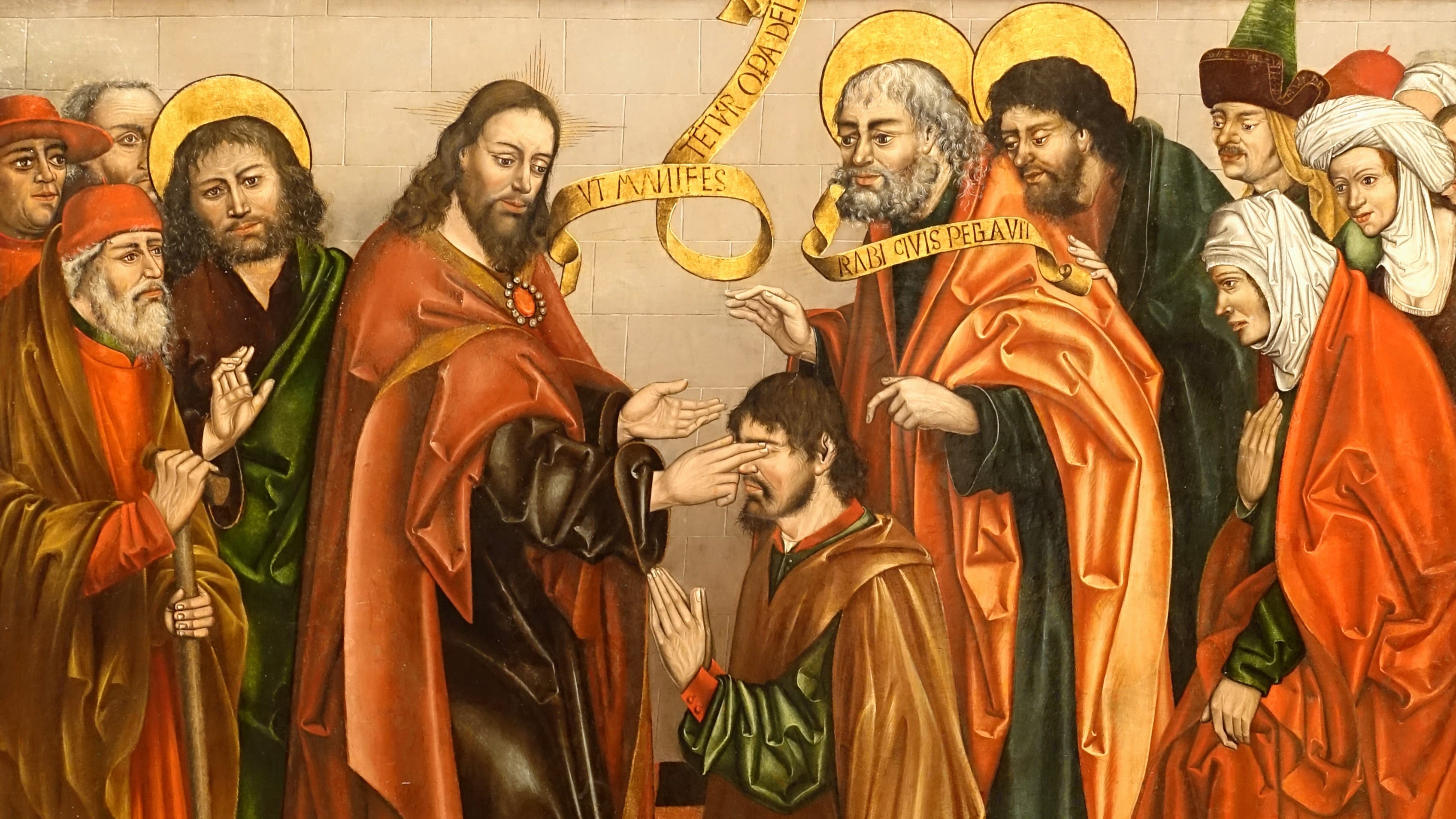
The pre-Lent season ends with an announcement of the Cross, and the opening of the eyes of the blind.
Editor’s Notes
On Quinquagesima Sunday, the last Sunday before Lent, the Gospel at Mass is St Luke’s account of Our Lord warning his Apostles about his coming Passion, and his healing of Blind Bartimaeus.
Fr Coleridge deals with these two incidents across two chapters of The Preaching of the Cross, Part III, including details supplied by the other Evangelists – in particular:
The request made by Ss James and John, and their mother,
The encounter with Zacchæus the publican.
These parts are included below – along with Fr Coleridge’s discussion of the Epistle read on this day (St Paul’s discourse on Charity).
This incident belongs to his final ascent to Jerusalem, immediately before the Passion. In this article, you will find the links to all the parts of both chapters – including the matters discussed in Quinquagesima’s Gospel, and and in Fr Coleridge’s book.

Part I: Christ’s final prophecy of his coming Passion
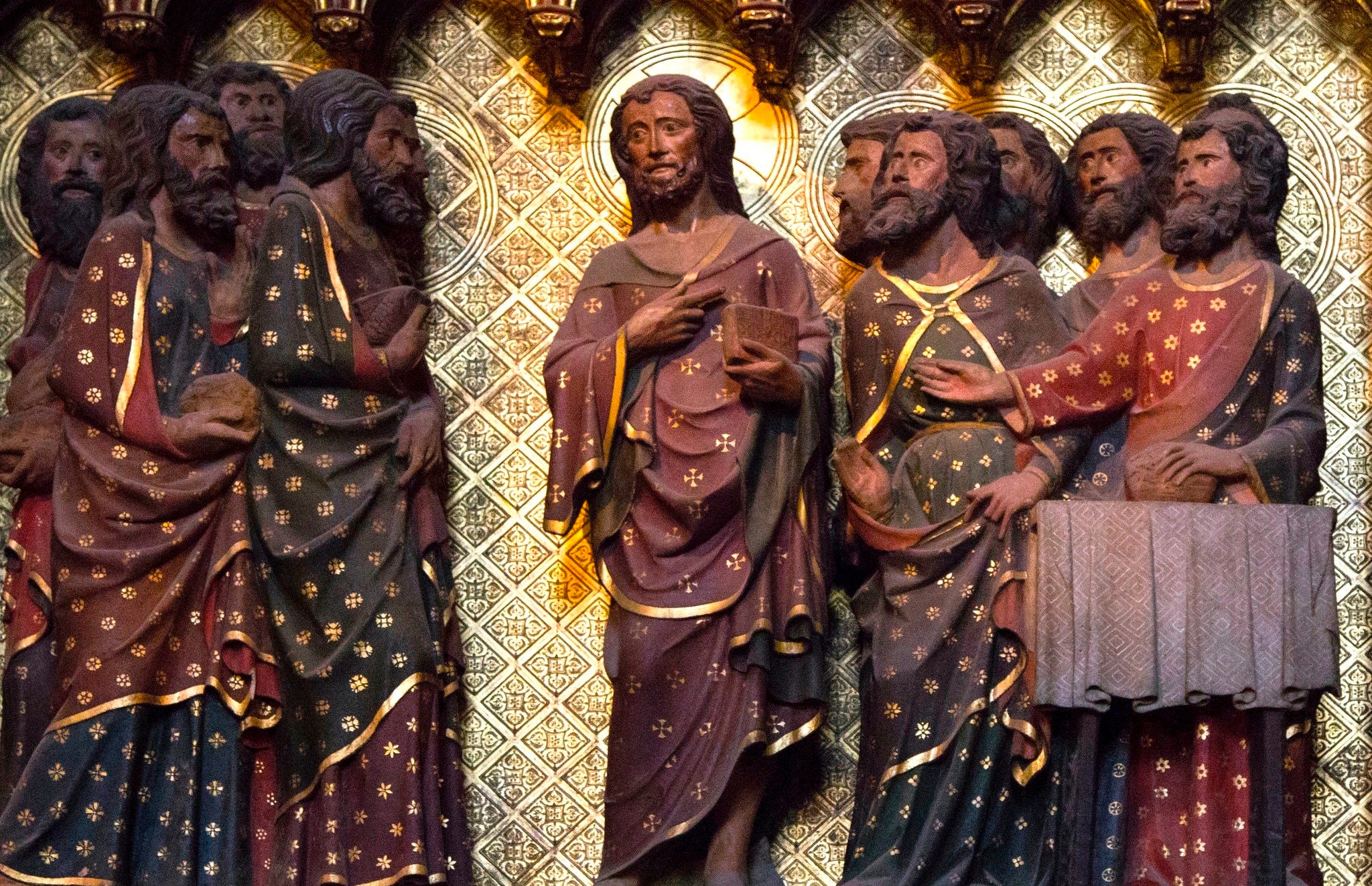
The season of Septuagesima ends with the final declaration of what is to happen in Jerusalem in Holy Week.

Bonus Part: Ss James and John’s request to sit at Christ’s right and left
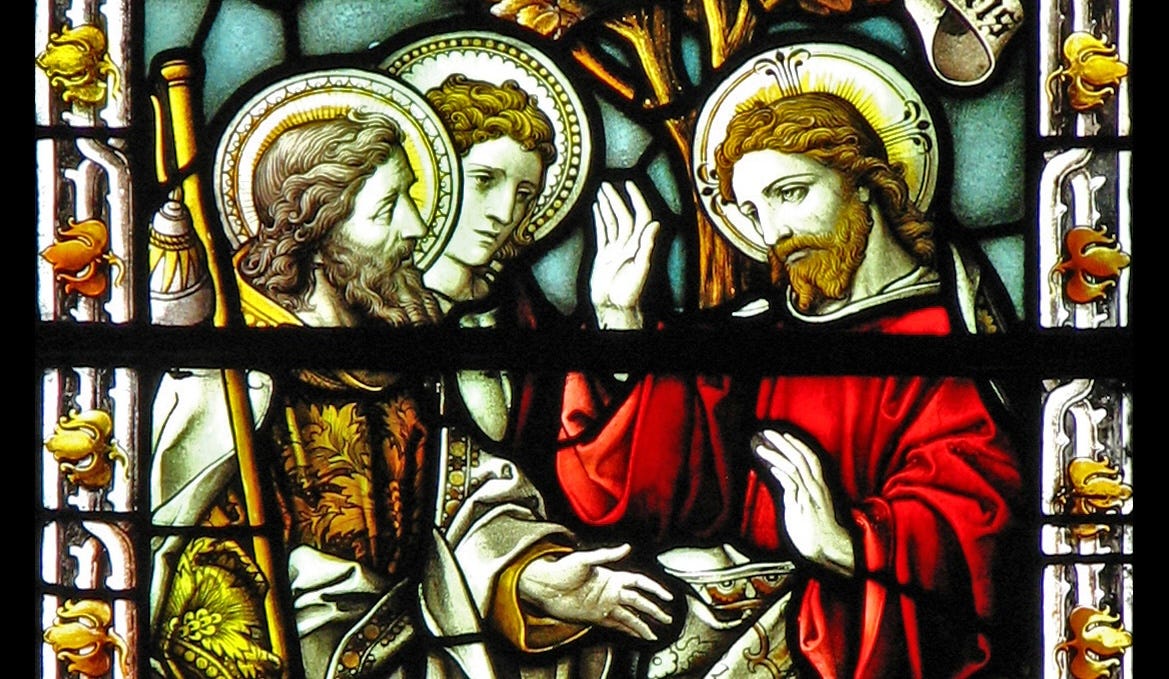
This incident, which took place at the same time but is not read at Mass, was perhaps not how it is commonly imagined by film producers today.

Bonus Part: Why Jesus promises the chalice to St James and John, but doesn’t grant their request
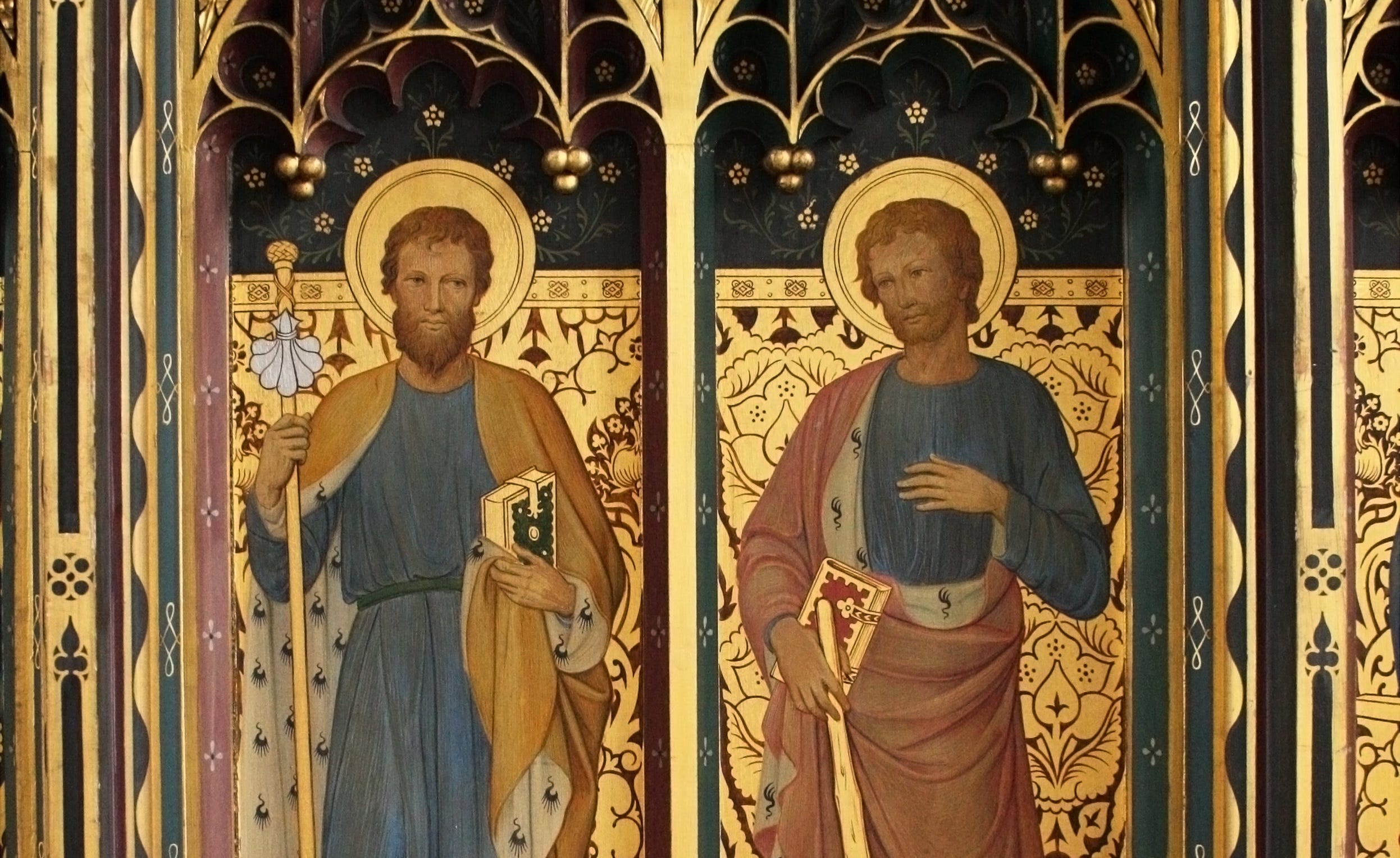
Fr Coleridge explains what it was about Ss James and John that pleased Our Blessed Lord – and what he gave them as a reward.

Bonus Part: Why greatness in Christ’s Kingdom means self-sacrifice, not mere power
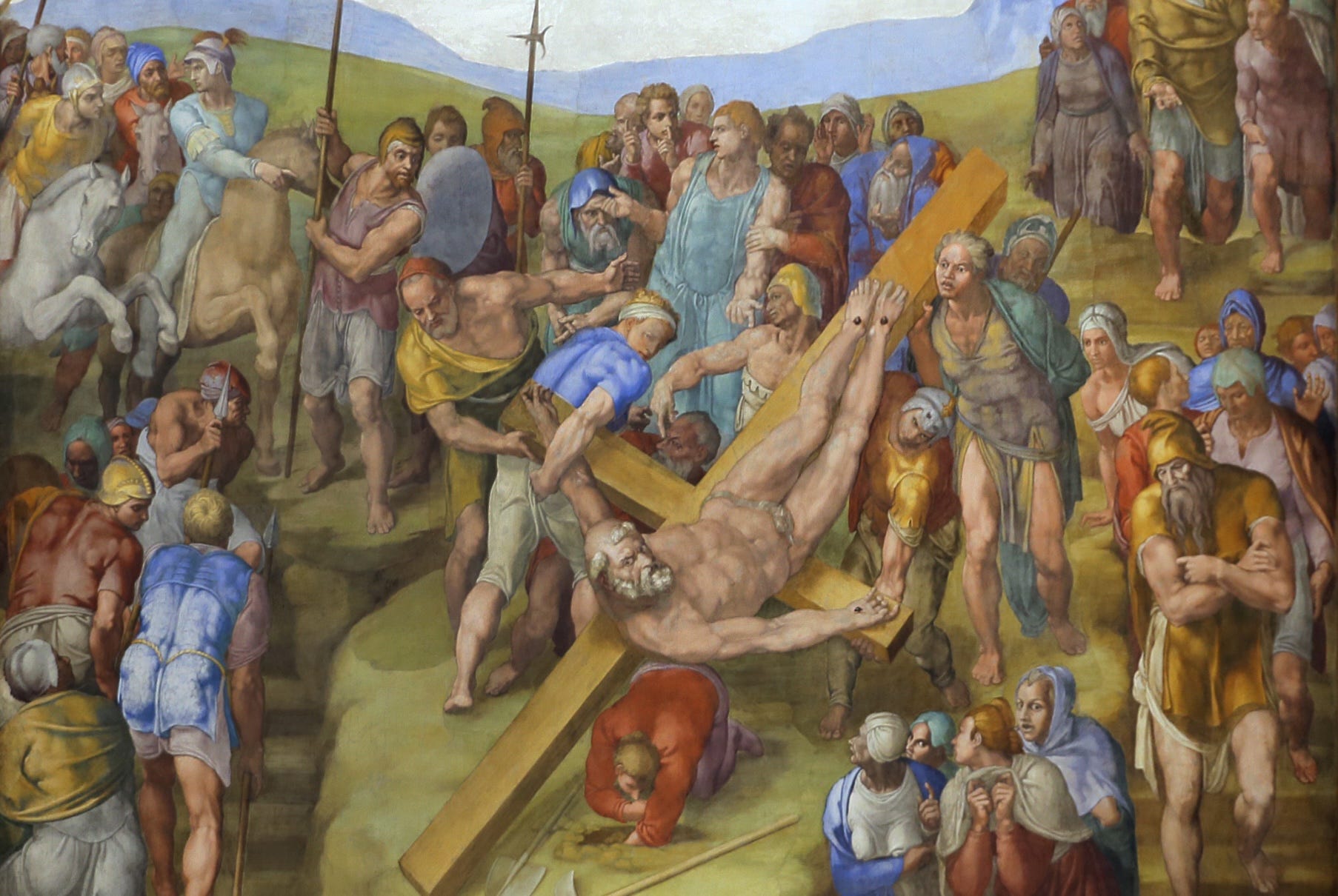
Christ overturns the worldly conceptions: true greatness is service, humility, and readiness to die for one’s subjects and dependants.

Part II: What does Blind Bartimæus show us about calling upon Christ with faith?
The blind man’s persistence and Christ’s merciful response highlight the necessity of faith and perseverance in prayer.

Part III: Do the Gospels contradict each other about Blind Bartimæus?

St Matthew’s Gospel includes a similar miracle to the healing of Blind Bartimæus, but with different details. Is this a contradiction, or something else – and how can we know?

Bonus Part: Why did Christ invite himself to the house of the hated Zacchæus?

Although it is not read at the Mass for Quinquagesima, the Gospel – and Fr Coleridge – immediately turns to Christ dining at the house of a rich sinner on his way to the Cross.

Final Bonus: Why are good works worthless without charity?
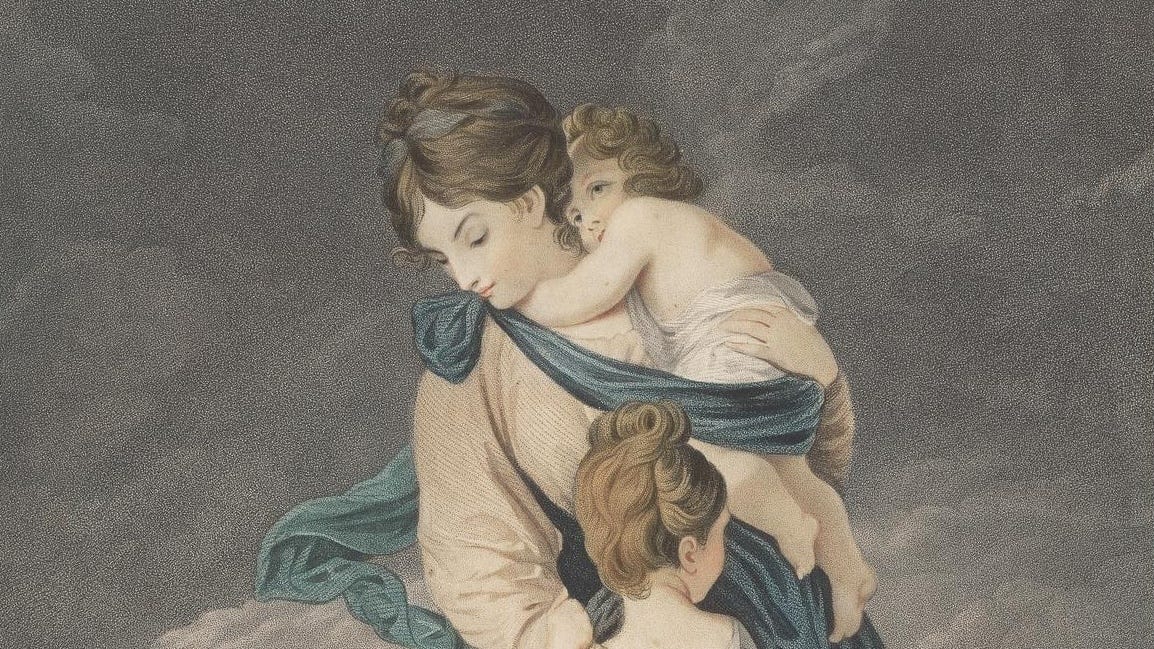
We already saw this part in Septuagesima – but on Quinquagesima, the Church reads St Paul’s discourse on charity. In it, we see how animosity and jealousy can render good works worthy of punishment, rather than reward.


_-_James_Tissot.jpg)
_-_James_Tissot.jpg)
Read Next:
Here’s why you should subscribe to The Father Coleridge Reader and share with others:
Fr Coleridge provides solid explanations of the entirety of the Gospel
His work is full of doctrine and piety, and is highly credible
He gives a clear trajectory of the life of Christ, its drama and all its stages—increasing our appreciation and admiration for the God-Man.
If more Catholics knew about works like Coleridge’s, then other works based on sentimentality and dubious private revelations would be much less attractive.
But sourcing and curating the texts, cleaning up scans, and editing them for online reading is a labour of love, and takes a lot of time.
Will you lend us a hand and hit subscribe?
Follow our projects on Twitter, YouTube and Telegram:
Twitter (The WM Review)