
Good Shepherd Sunday – Second Sunday after Easter
On the Second Sunday after Easter, Our Lord tells us how and why he is ‘the Shepherd and Bishop’ of our souls.

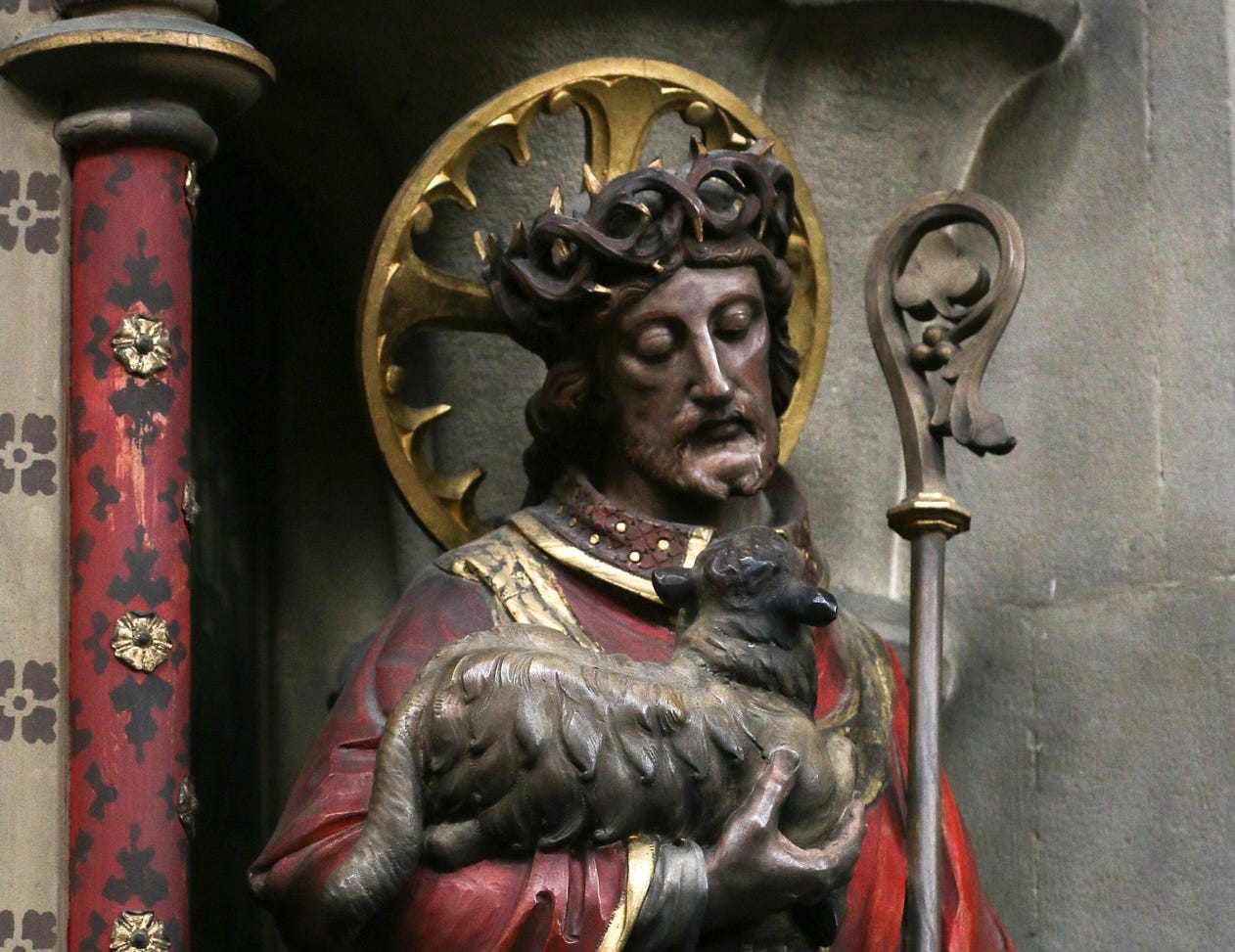
On the Second Sunday after Easter, Our Lord tells us how and why he is ‘the Shepherd and Bishop’ of our souls.
Editor’s Notes
The Second Sunday after Easter is known as “Good Shepherd Sunday,” based on the reading from the Gospel. Having just celebrated the Resurrection, the Church turns back to this passage, because Easter reveals the full meaning of Christ as Shepherd: he lays down his life, rises again, and continues to gather and guide his sheep – now and for eternity.
It also points towards the Ascension and Pentecost, after which his Apostles will assume their roles as the Pastors of the Church.
Our Lord’s sermon, recounted by St John, takes place in Jerusalem during the Feast of Tabernacles (Sukkot). According to Fr Coleridge, John Chapter X0 recounts two separate events (the second being at the Feast of the Dedication, or Hanukkah).
The sermon explains the escalating conflict between Christ and the Pharisees and the Chief Priests, with Our Lord exposing the contrast between the way they relate to the “flock”, and how he fulfils his divine mission. He lays the foundation for the Church’s true pastoral office, refutes the claims of illegitimate religious authority, and reveals the divine charity at the heart of his mission.
As well as presenting himself as the Good Shepherd who will unify Jews and Gentiles, he foretells how he will reconcile all men to God through his voluntary Passion.
The Good Shepherd
The Preaching of the Cross, Part I, Chapter XV
St. John x. 1–21.
Story of the Gospels, § 96
Burns and Oates, London, 1886
Part I: Why does Christ call the Chief Priests ‘thieves and robbers’?


He would have embraced them—maybe they would have been our priests. But they chose to betray their sacred office, and to try to destroy Him.
Part II: Why Christ is ‘the door’ through which every good shepherd must come
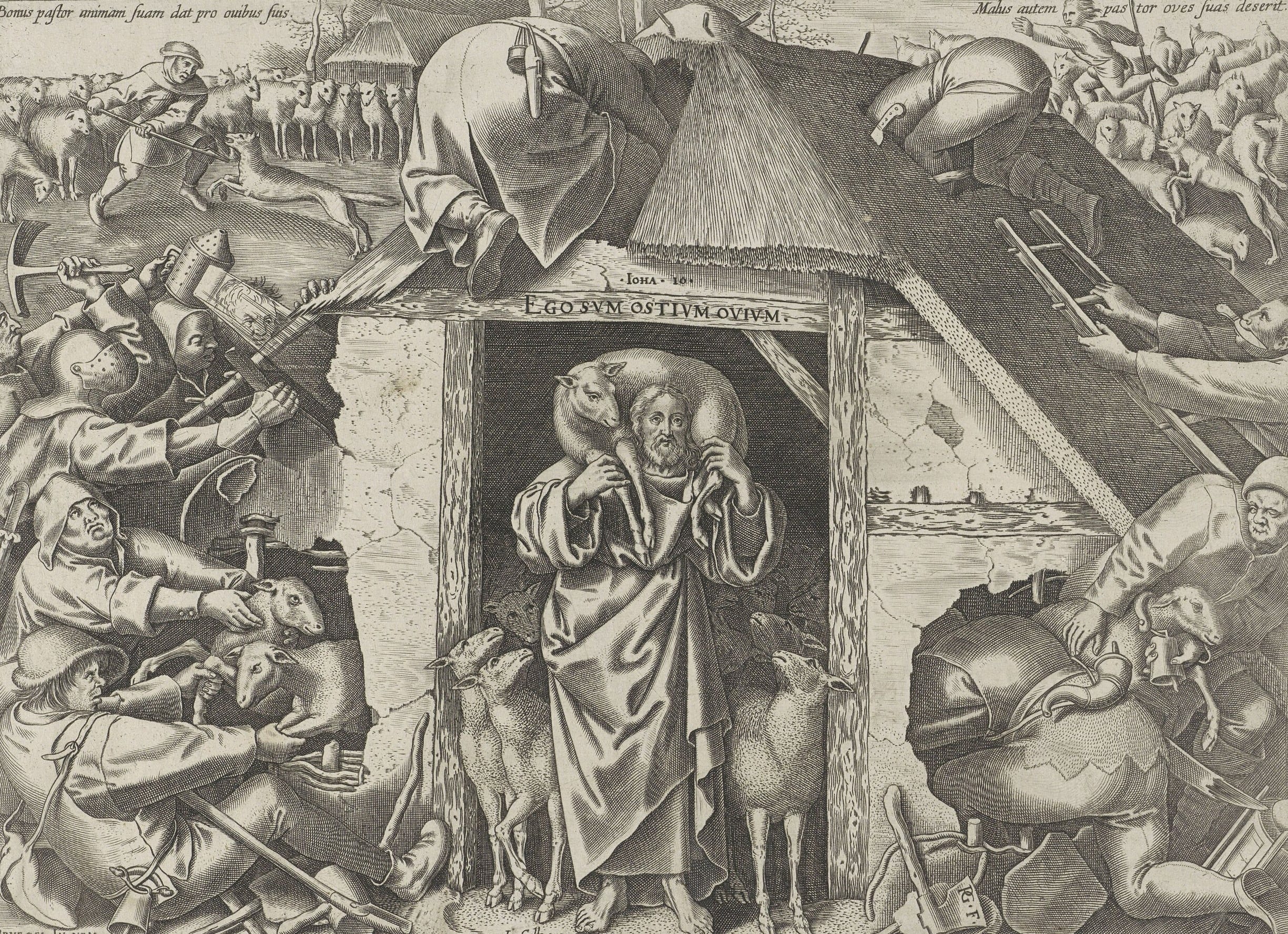

Christ exposes the wolves in shepherds’ clothing—and warns that no true pastor can oppose Him.
Part III: ‘I am the Good Shepherd’—What that means for Christians
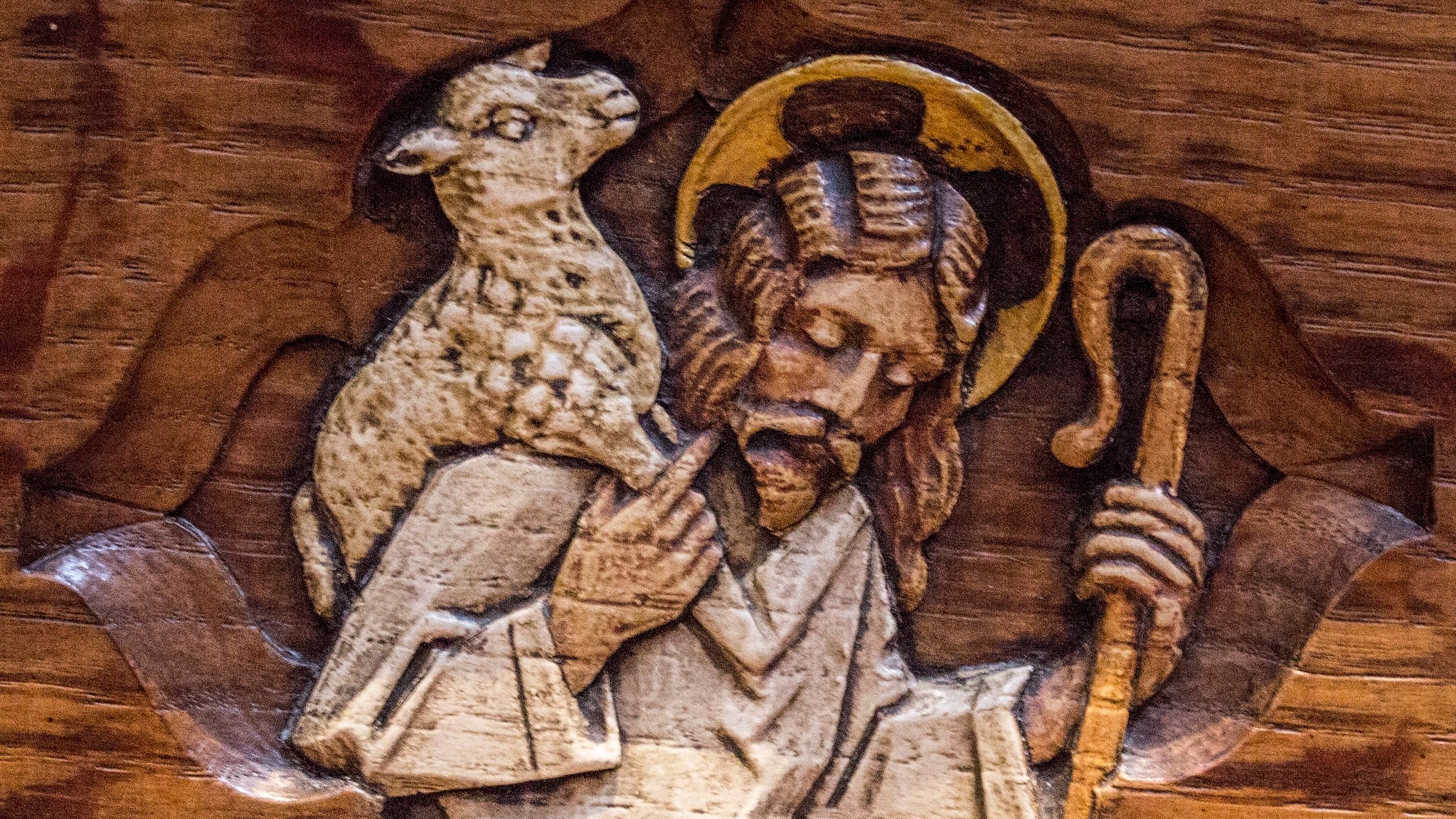
Surrounded by enemies plotting his death and excommunicating his followers from the Synagogue, the Good Shepherd declares his love for his sheep.
Part IV: Why the Good Shepherd told the wolves they had no power over him


He warned them that their apparent victory would be nothing of the kind.
Part V: Effect of ‘The Good Shepherd’ on the different classes of the Jews
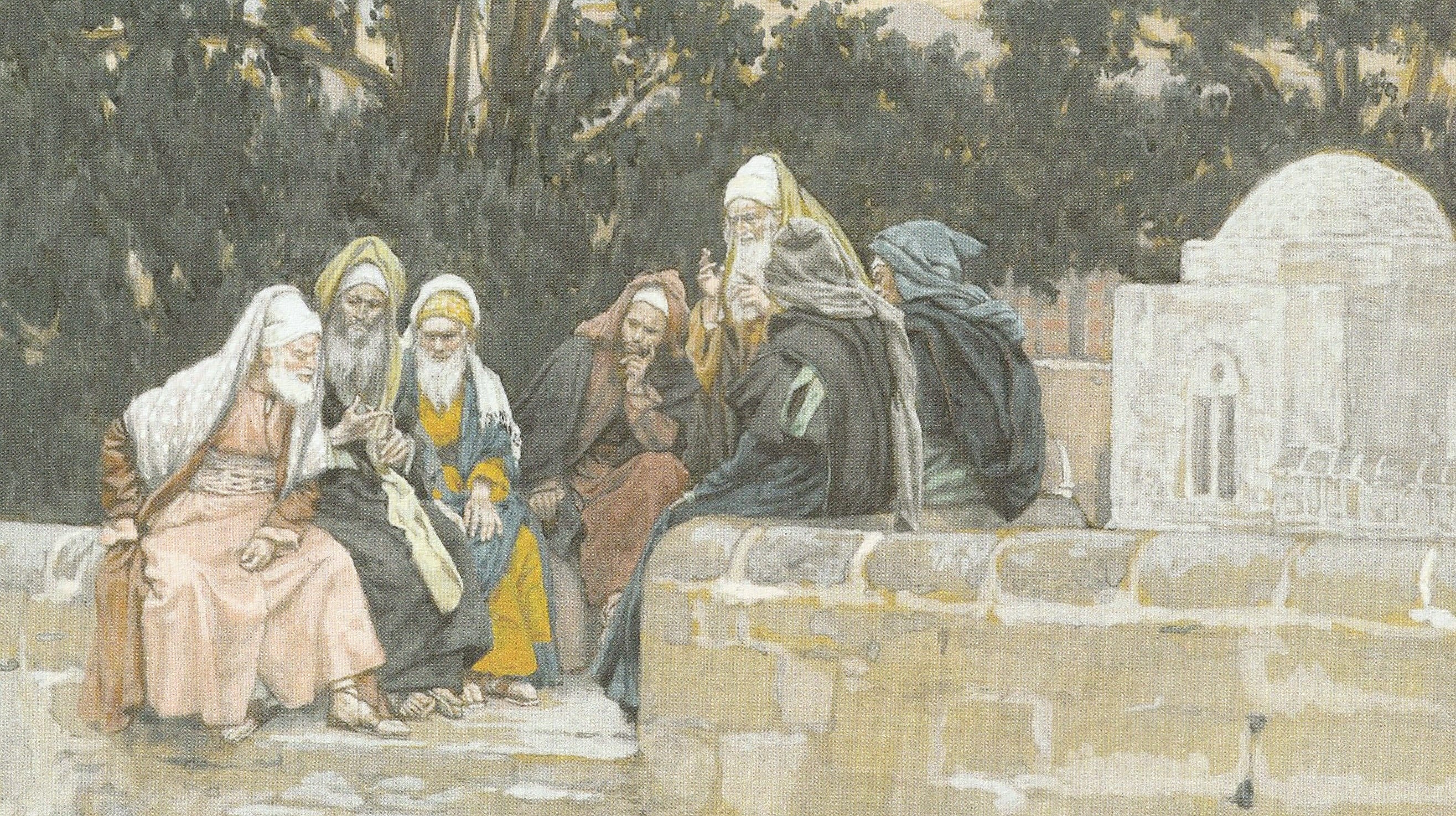
He was ‘set for the fall and for the resurrection of many in Israel,’ and this was beginning to take shape.
Here’s why you should subscribe to The Father Coleridge Reader and share with others:
Fr Coleridge provides solid explanations of the entirety of the Gospel
His work is full of doctrine and piety, and is highly credible
He gives a clear trajectory of the life of Christ, its drama and all its stages—increasing our appreciation and admiration for the God-Man.
If more Catholics knew about works like Coleridge’s, then other works based on sentimentality and dubious private revelations would be much less attractive.
But sourcing and curating the texts, cleaning up scans, and editing them for online reading is a labour of love, and takes a lot of time.
Will you lend us a hand and hit subscribe?
Follow our projects on Twitter, YouTube and Telegram:
Twitter (The WM Review)