
Septuagesima Sunday – The Parable of the Labourers
A definitive break in the tone of the liturgy – explained by the Gospels read over the next three Sundays.

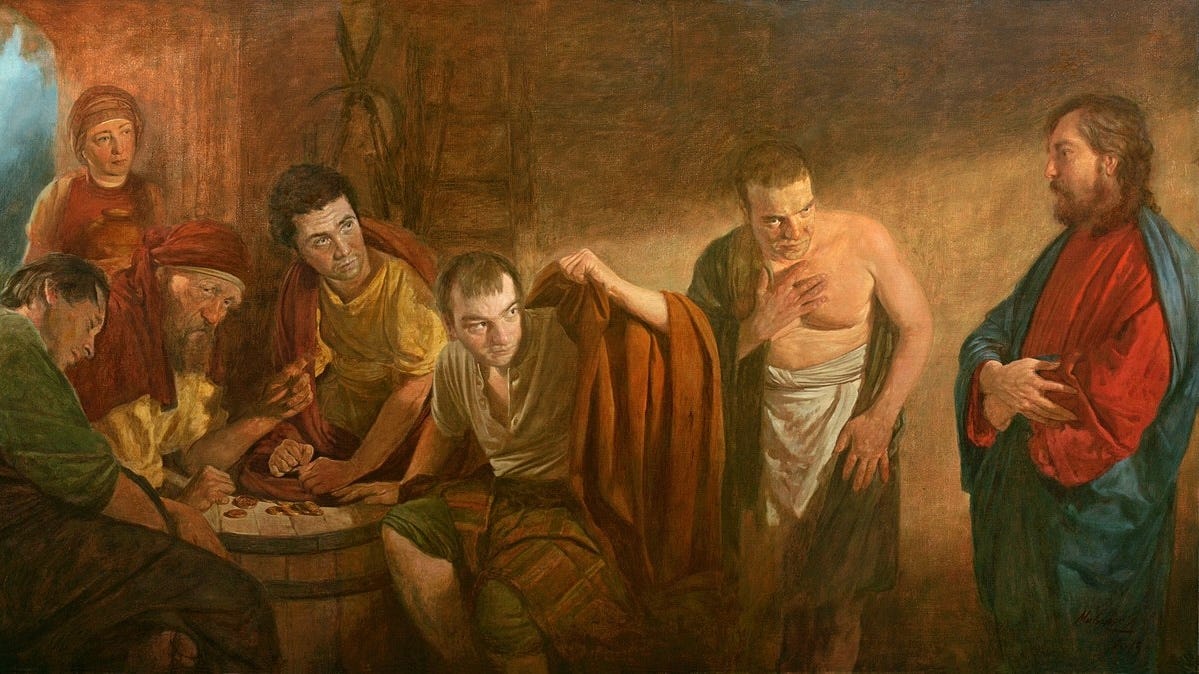
A definitive break in the tone of the liturgy – explained by the Gospels read over the next three Sundays.
Editor’s Notes
Septuagesima Sunday marks the beginning of the Easter cycle and, according to some scholars, the start of a new liturgical year. Whether or not it also marks the end of the Christmas cycle – or that this continues to Candlemas – is also debated. You can read more about Septuagesima, its meaning and its liturgical propers here:


When we started Father Coleridge Reader, we were publishing whole chapters, which would range from 1,500 words to upwards of 10,000. It became apparent that this was unmanageable, and we began splitting the chapters into more manageable chunks. Septuagesima marks the point where we began to hit the “sweet spot” of less than 2,000 words.
We have been updating the old instalments in order to fit them to this “sweet spot” length – but from today we will shift to focusing on important saints days, as outlined in our Milestone post from last Summer:
Year 2
Continue the task of curating, preparing and publishing Fr Coleridge’s texts, this Tome focusing on important saints’ days for the year
Fill out the liturgical year with texts that were too long to publish in Year 1
Begin typesetting extracts for a series of hard-copy books (E.G., Advent with Fr Coleridge)
However, we will continue to mark the progress of the liturgical year by sending out a weekly post collating the sections of the chapter dealing with the relevant Sunday Gospel.
Part I: Is it unfair that ‘the first will be last’ in the Parable of the Labourers in the Vineyard?
The Parable of the Labourers in the Vineyard, read at Septuagesima, shows us that God’s justice can confound human expectations.

Part II: Does your rank in the Church determine holiness and reward?

Vocations are indispensable for the Church—but they are a means to end. What is that end?

Part III: Why are good works worthless without charity?

Animosity and jealousy can render good works worthy of punishment, rather than reward.

Part IV: Acting like this is why Catholics fall away
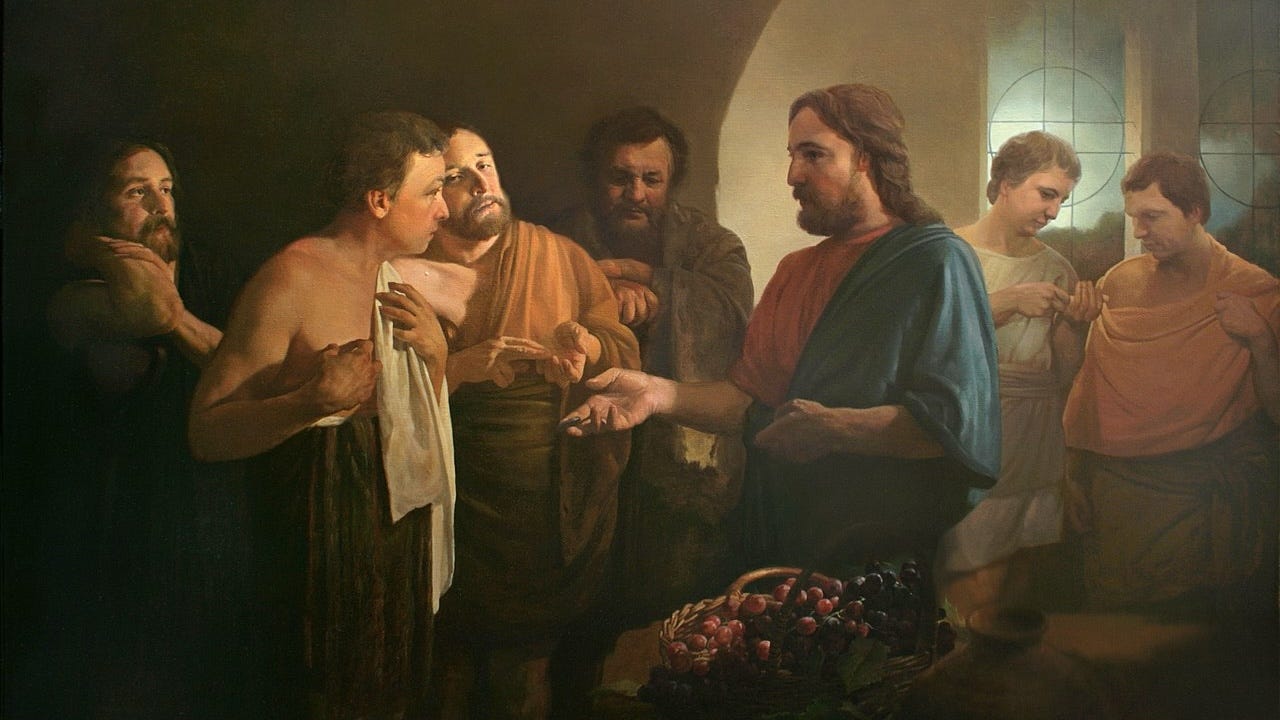
Being a Catholic won’t save you if you ignore the lesson of the Labourers in the Vineyard.


Here’s why you should subscribe to The Father Coleridge Reader and share with others:
Fr Coleridge provides solid explanations of the entirety of the Gospel
His work is full of doctrine and piety, and is highly credible
He gives a clear trajectory of the life of Christ, its drama and all its stages—increasing our appreciation and admiration for the God-Man.
If more Catholics knew about works like Coleridge’s, then other works based on sentimentality and dubious private revelations would be much less attractive.
But sourcing and curating the texts, cleaning up scans, and editing them for online reading is a labour of love, and takes a lot of time.
Will you lend us a hand and hit subscribe?
Follow our projects on Twitter, YouTube and Telegram:
Twitter (The WM Review)