

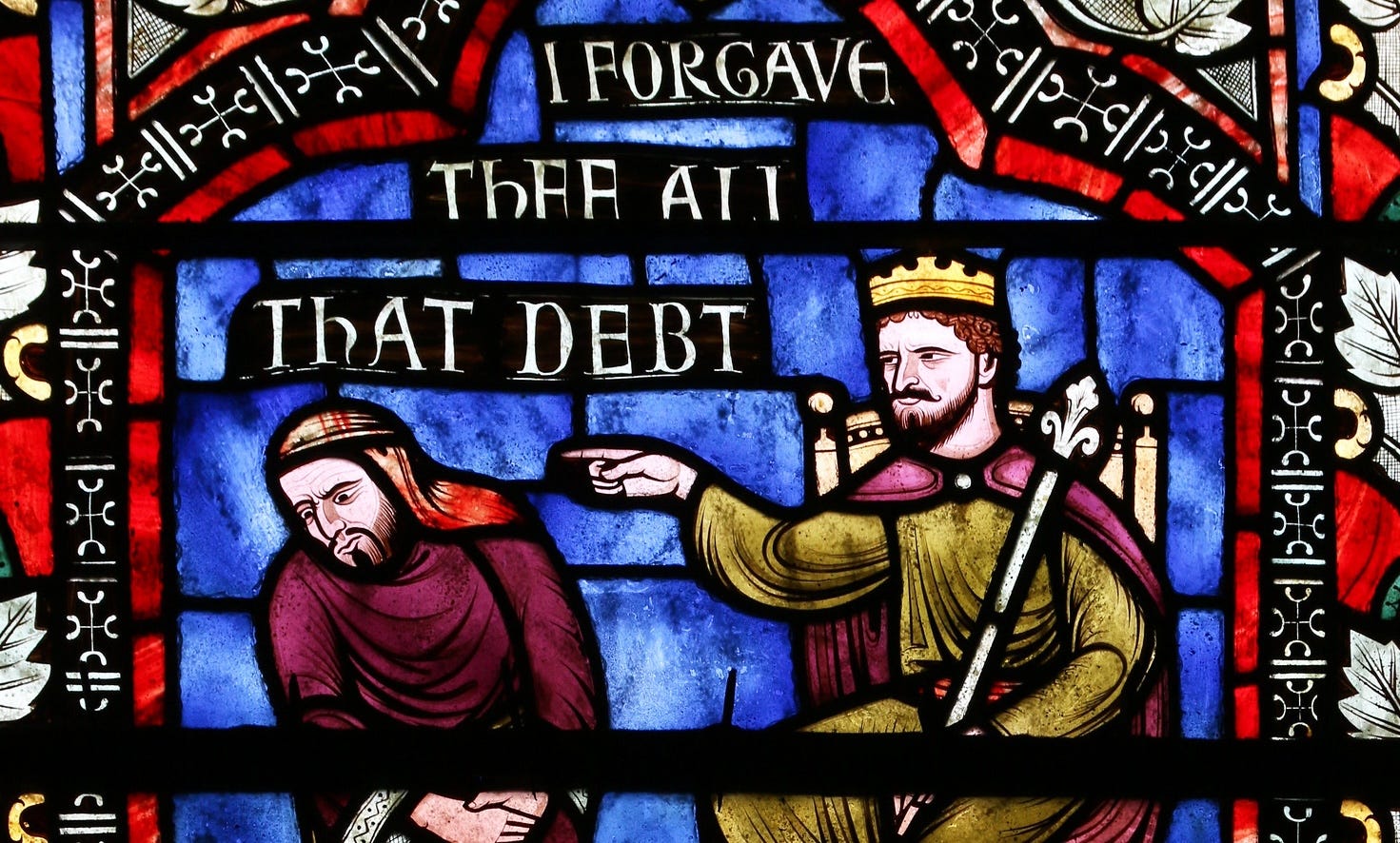
Christ teaches that mercy is the measure of divine life within the soul, and its presence there will be the measure by which we will be judged.
Editor’s Notes
The Twenty-First Sunday after Pentecost recounts Our Lord’s parable of the Unmerciful Servant:
At that time, Jesus spoke to His disciples this parable: The kingdom of heaven is likened to a king who desired to settle accounts with his servants. And when he had begun the settlement, one was brought to him who owed him ten thousand talents. And as he had no means of paying, his master ordered him to be sold, with his wife and children and all that he had, and payment to be made. But the servant fell down and besought him, saying, ‘Have patience with me and I will pay you all!’ And moved with compassion, the master of that servant released him, and forgave him the debt.
But as that servant went out, he met one of his fellow-servants who owed him a hundred denarii and he laid hold of him, and throttled him, saying, ‘Pay what you owe.’ His fellow-servant therefore fell down and began to entreat him, saying, ‘Have patience with me and I will pay you all.’ But he would not; but went away and cast him into prison until he should pay what was due.
His fellow-servants therefore, seeing what had happened, were very much saddened, and they went and informed their master of what had taken place. Then his master called him, and said to him, ‘Wicked servant! I forgave you all the debt, because you entreated me. Should not you also have had pity on your fellow-servant, even as I had pity on you?’ And his master, being angry, handed him over to the torturers until he should pay all that was due to him.
So also My heavenly Father will do to you, if you do not each forgive your brothers from your hearts.
This passage follows immediately on from Christ’s teaching on fraternal correction, and forms the natural continuation of that discourse: passing from the duty of admonishing one’s brother, the the higher duty of forgiving him.
The scene belongs to the later Galilean ministry, after Christ has withdrawn from Capharnaum and begun to prepare his disciples for the life of the Church. St Peter’s question, “How often shall my brother offend against me, and I forgive him?” opens the way for Christ to reveal the true measure of mercy in the kingdom of heaven.
The parable of the unmerciful servant contrasts the infinite and unpayable debt each man owes to God with the trifling debts owed between men.
For the Apostles, this lesson had immediate significance: it defined the spirit in which authority must be exercised within the Church. Forgiveness is becomes an imitation of God’s own divine sovereignty, and a means of reopening closed channels of grace, and preserving peace within the mystical body.
For us, the parable discloses a fearful symmetry between God’s mercy and our own. Each act of forgiveness becomes a key to God’s grace, while hardness of heart closes heaven itself.
The measure by which we forgive becomes the very measure by which we are judged.
The Measure of Forgiveness
The Preaching of the Cross, Vol. I
Chapter IX
Fr Henry James Coleridge, 1886, 159-70
St. Matthew xviii. 21-35; Story of the Gospels, § 88
Burns and Oates, 1886.
Part I: Why must we forgive ‘seventy times seven’ times?
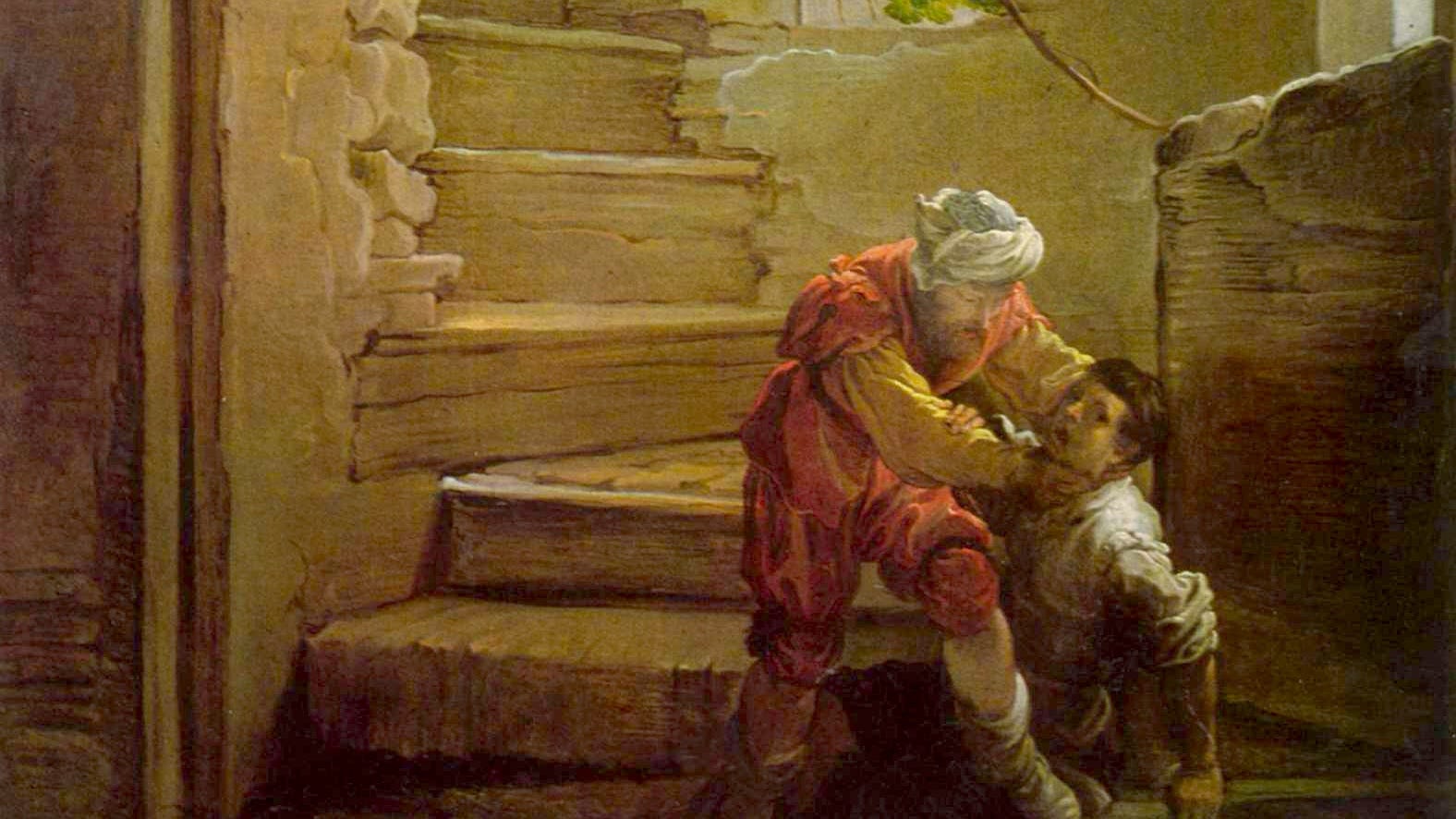

Christ teaches that forgiveness knows no limits, because mercy is the very measure of divine life within the soul.
Part II: Why the unpayable debt of sin requires us to be merciful to others
Christ’s parable of the Unmerciful Servant shows that no offence against us is anything compared to our own debt to God.
Part III: How to make prayers rebound on you as curses
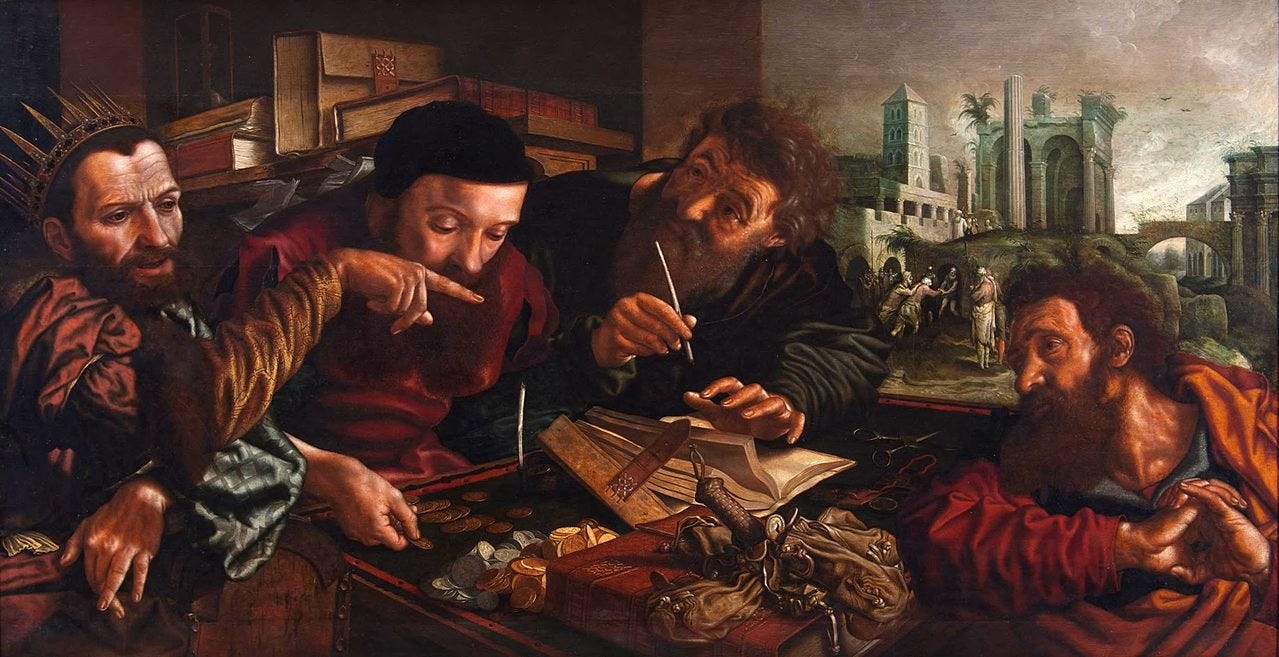
Christ warns that unmercifulness destroys grace at its root, and shuts the very gates of God’s mercy upon the unmerciful.
BONUS ARTICLES
Private Revelations, Theology and the Crisis – What should be their relationship?

Private revelations cannot be used to contradict traditional theology or short-circuit open questions without creating serious problems, especially in the current ecclesiastical crisis.
An ‘Ottaviani Intervention’ on Signs and Wonders
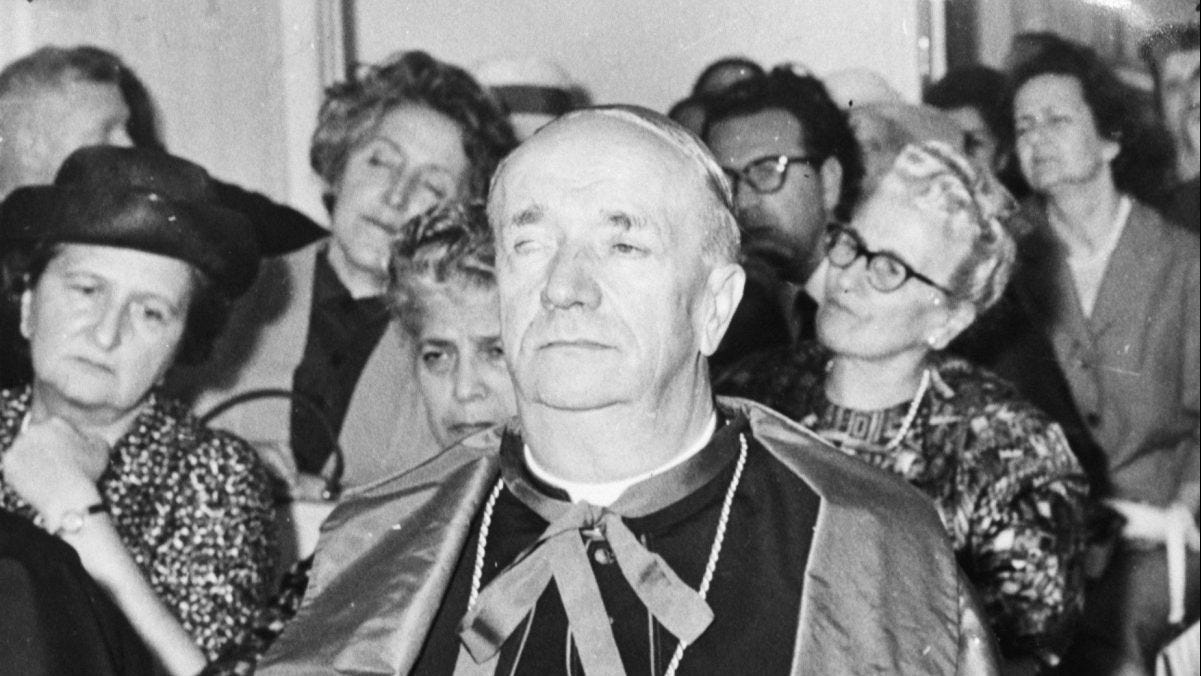

Cardinal Alfredo Ottaviani – author of the famous ‘Ottaviani Intervention’ critiquing the Novus Ordo rite – clarifies the place of signs and wonders in Christian life, and how to avoid being deceived.
True and false miracles in the life of the Church explained
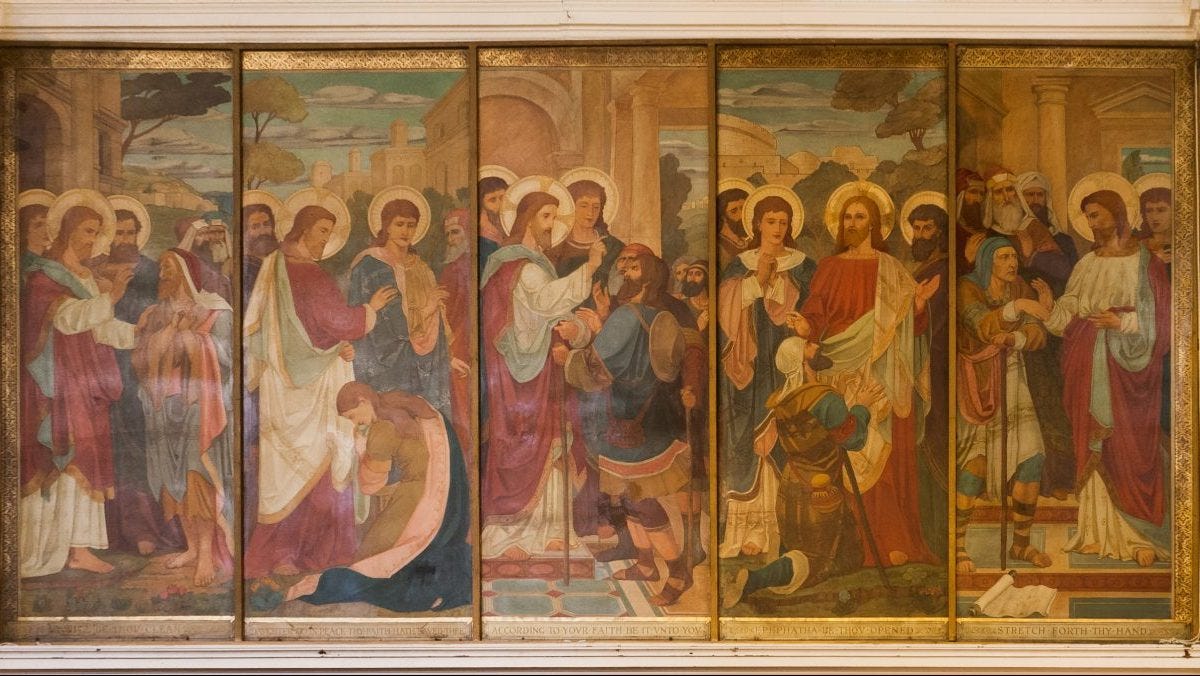

Miracles play a central role in confirming and making credible the claims of Christ and his Church. But what about false miracles? We need be on our guard and hold to doctrine before everything else.
‘Bread from their hands’: Private revelation and Catholics today
Fr Reid Hennick sets out the proper place of private revelations in the life of Catholics.
How should Catholics treat private revelations?


It is essential that Catholics grasp the relationship between private revelations and Catholic teaching. The Church’s magisterium cannot be replaced or supplied by private revelations.
Here’s why you should subscribe to The Father Coleridge Reader and share with others:
Fr Coleridge provides solid explanations of the entirety of the Gospel
His work is full of doctrine and piety, and is highly credible
He gives a clear trajectory of the life of Christ, its drama and all its stages—increasing our appreciation and admiration for the God-Man.
If more Catholics knew about works like Coleridge’s, then other works based on sentimentality and dubious private revelations would be much less attractive.
But sourcing and curating the texts, cleaning up scans, and editing them for online reading is a labour of love, and takes a lot of time.
Will you lend us a hand and hit subscribe?
Follow our projects on Twitter, YouTube and Telegram:
Twitter (The WM Review)