

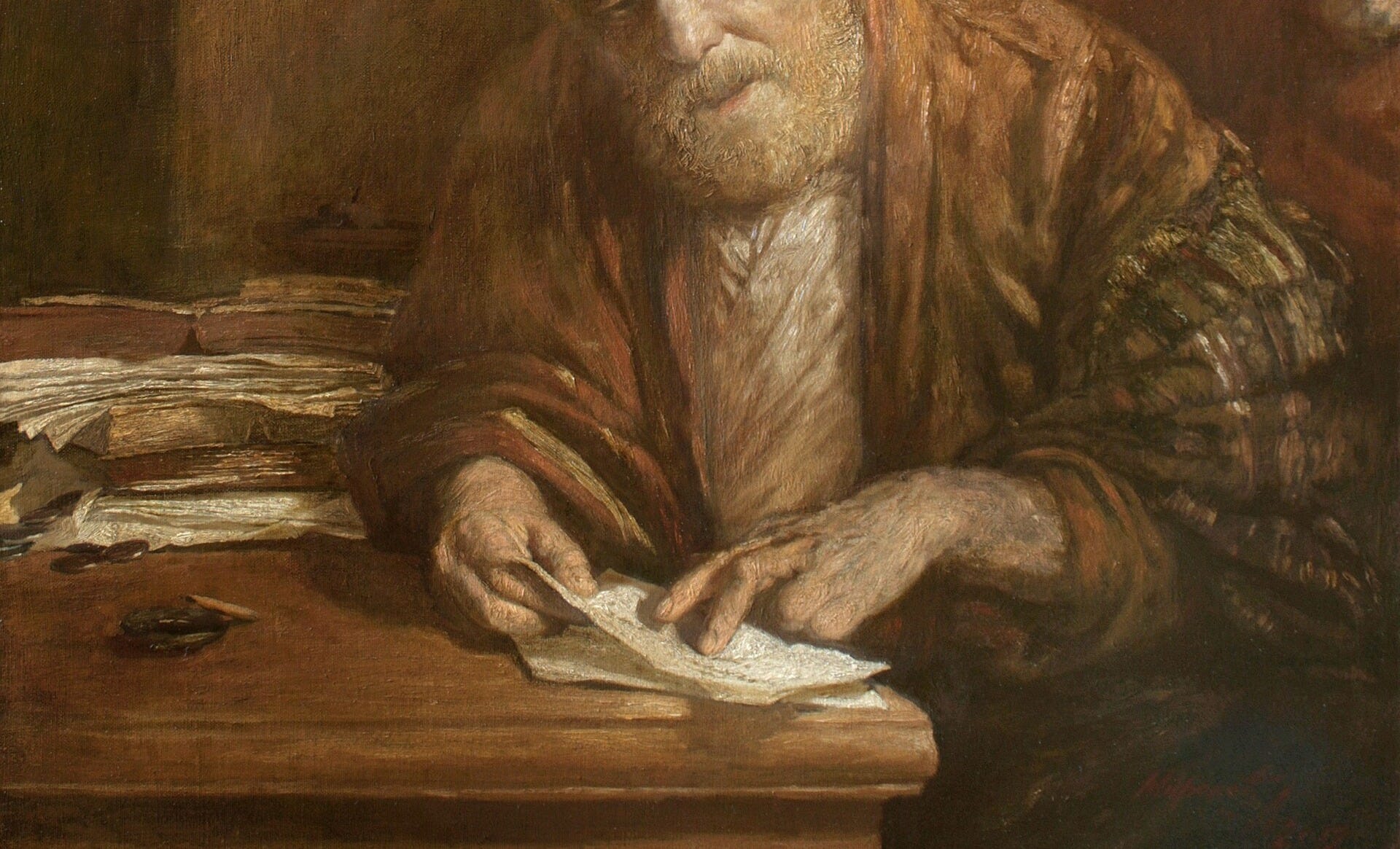
Why on earth does Christ hold up a worldly trickster in this parable?
Editor’s Notes
On the Eighth Sunday after Pentecost, the Church reads the Parable of the Unjust Steward:
At that time, Jesus spoke to His disciples this parable: There was a certain rich man who had a steward, who was reported to him as squandering his possessions. And he called him and said to him, ‘What is this that I hear of you? Make an accounting of your stewardship, for you can be steward no longer.’
And the steward said within himself, ‘What shall I do, seeing that my master is taking away the stewardship from me? To dig I am not able; to beg I am ashamed. I know what I shall do, that when I am removed from my stewardship they may receive me into their houses.’ And he summoned each of his master’s debtors and said to the first, ‘How much do you owe my master?’ And he said, ‘A hundred jars of oil.’ He said to him, ‘Take your bond and sit down at once and write fifty.’ Then he said to another, ‘How much do you owe?’ He said, ‘A hundred kors of wheat.’ He said to him, ‘Take your bond and write eighty.’
And the master commended the unjust steward, in that he had acted prudently; for the children of this world, in relation to their own generation, are more prudent than the children of the light. And I say to you, make friends for yourselves with the mammon of wickedness, so that when you fail they may receive you into the everlasting dwellings.
(Luke 16:1-9)
This is one of the most perplexing parables in the Gospel.
It occurs during Our Lord’s final journey towards Jerusalem and his Passion. It falls between Our Lord’s parables of the Prodigal Son and the Lost Sheep, and that of Lazarus and the Rich Man.
Focusing on the correct stewardship of temporal goods, Our Lord contrasts the “prudence” of worldly men with the negligence of those believing themselves aiming for spiritual goods. He reminds us that all we have is from God, and invites us to find ways to use these gifts in the interests of charity and eternal life.
After explaining the parable, Fr Coleridge addresses the effect which it had on the Pharisees, who “derided him” for it.
The Unjust Steward
The Preaching of the Cross, Part II
Chapter X
St. Luke xvi. 1-13
Story of the Gospels, § 115
Burns and Oates, London, 1887
Read on the Eighth Sunday after Pentecost.
Part I: The Unjust Steward: The most difficult parable of all?
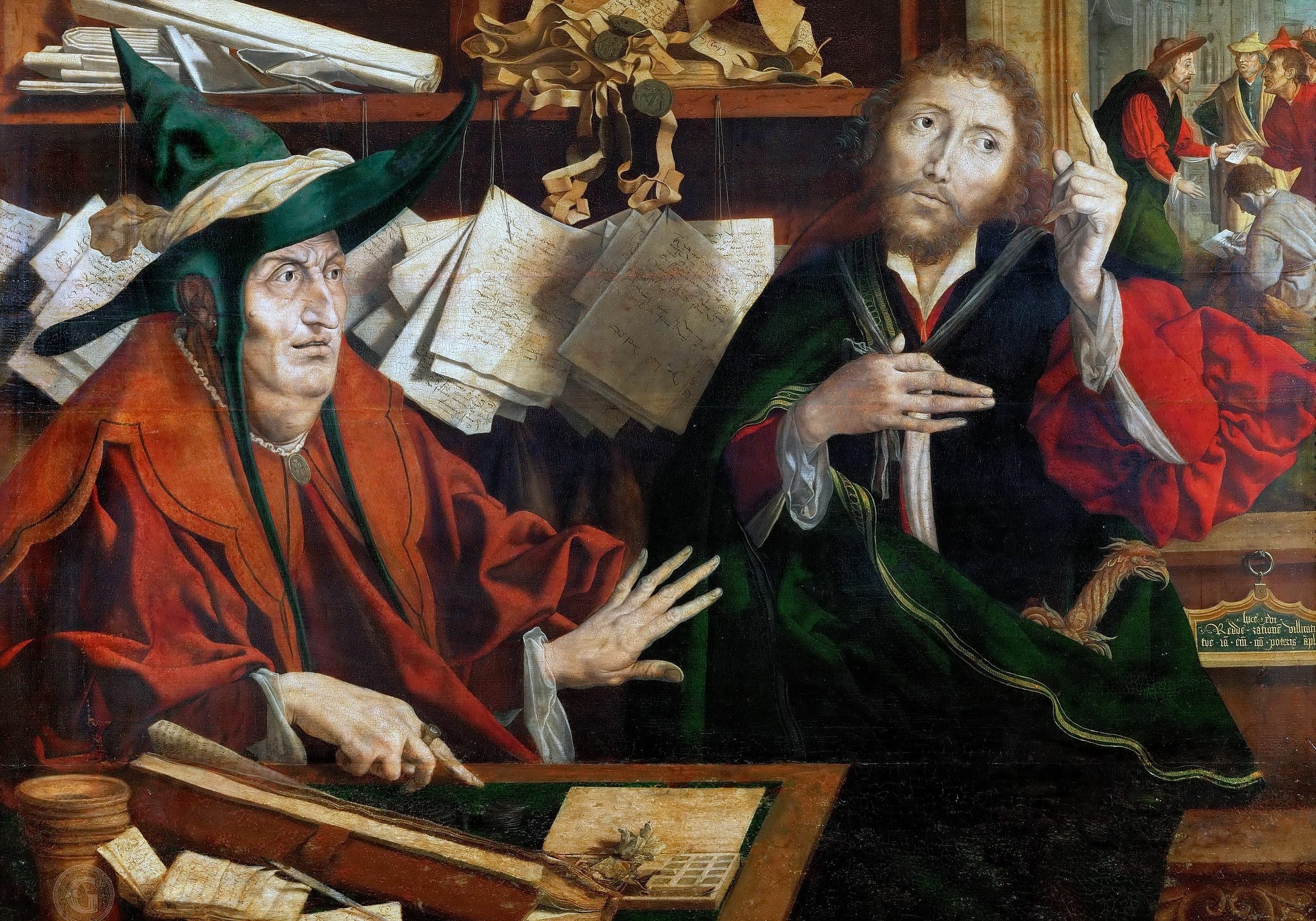
Why on earth does Christ hold up a worldly trickster in this parable? His comparison calls us not to admire deceit, but to expose the spiritual laziness of ‘the children of light.’
Part II: How can money build eternal friendships?
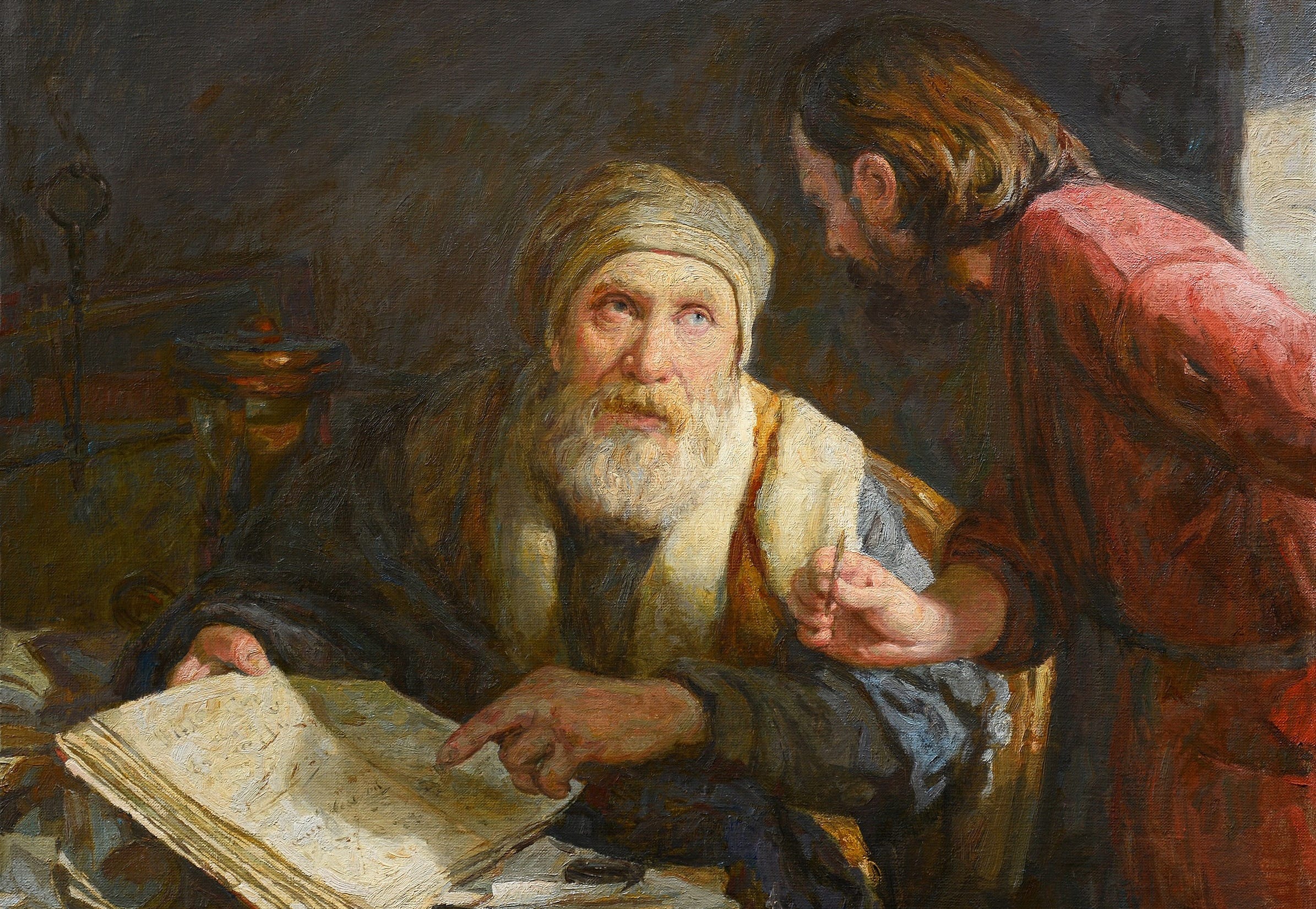
The unjust steward was praised not for his dishonesty, but for his foresight. Christ urges us to use our passing possessions for eternal gain.
Part III: Trying to serve God and Mammon is impossible

Everything we have is held on trust from God. While that means that the goods of this world are not true riches, they will decide what we are fit to receive in eternity.
Part IV: Why guilty consciences mock Christ and his Church

Despite their diversity of age, rank, and doctrine, all heretics and founders of false religions bear the same spiritual mark.
Here’s why you should subscribe to The Father Coleridge Reader and share with others:
Fr Coleridge provides solid explanations of the entirety of the Gospel
His work is full of doctrine and piety, and is highly credible
He gives a clear trajectory of the life of Christ, its drama and all its stages—increasing our appreciation and admiration for the God-Man.
If more Catholics knew about works like Coleridge’s, then other works based on sentimentality and dubious private revelations would be much less attractive.
But sourcing and curating the texts, cleaning up scans, and editing them for online reading is a labour of love, and takes a lot of time.
Will you lend us a hand and hit subscribe?
Follow our projects on Twitter, YouTube and Telegram:
Twitter (The WM Review)
Who can still call himself “Fr” today ??? After the corruption or annihilation of sacraments ?!? No “Fr” according to Melchisedech by the way.