

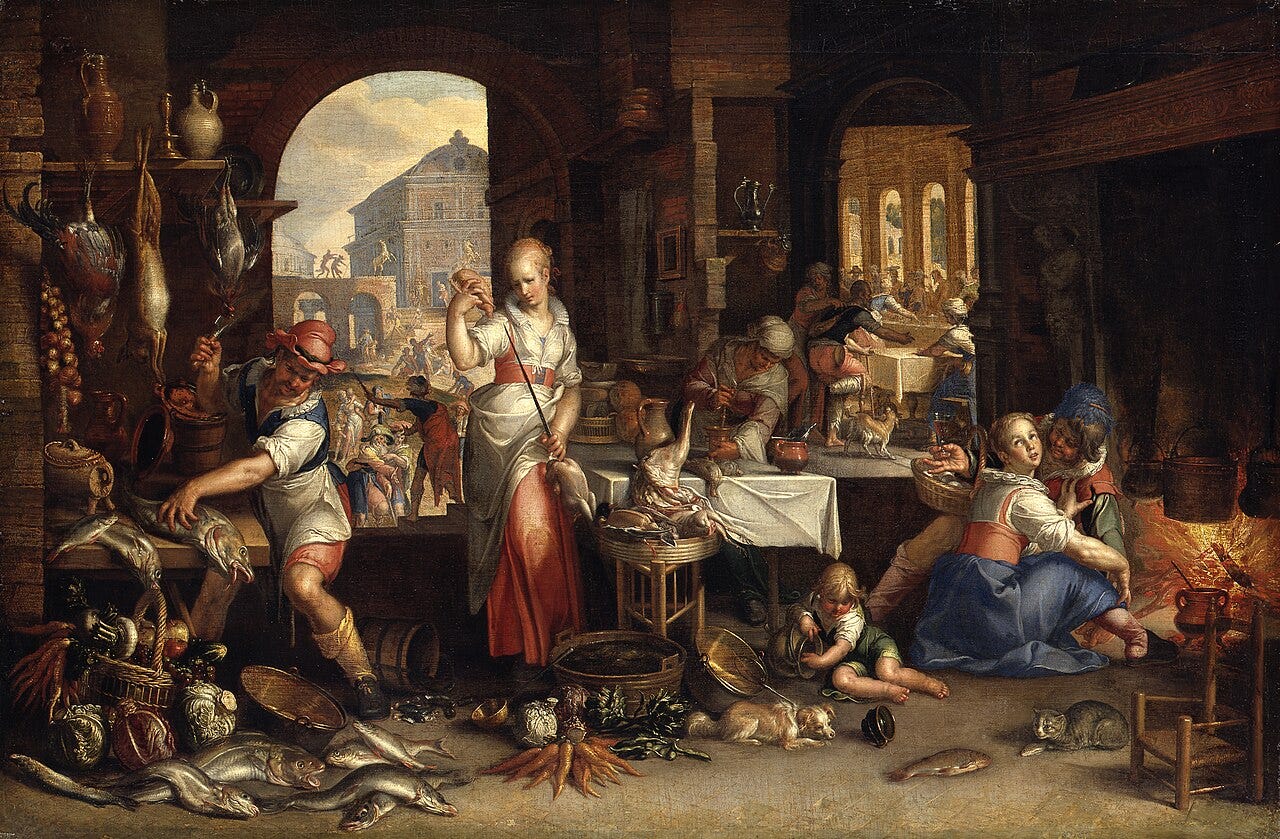
There are so many meanings and warnings behind this terrifying parable.
Editor’s Notes
The Gospel on the Second Sunday of Pentecost recounts a parable told in the house of one of the Pharisees.
In response to Our Lord’s teaching about humility, and giving without expectation of return, one of the men at table said, “Blessed is he that shall eat bread in the Kingdom of God.”
The Parable of the Great Supper is told in response to that comment, as if to ask: “But who, of those invited to this blessing, will accept it?”
“At that time, Jesus spoke to the Pharisees this parable: A certain man gave a great supper, and he invited many. And he sent his servant at supper time to tell those invited to come, for everything is now ready. And they all with one accord began to excuse themselves. The first said to him, ‘I have bought a farm, and I must go out and see it; I pray you hold me excused.’ And another said, ‘I have bought five yoke of oxen, and I am on my way to try them; I pray you hold me excused.’ And another said, ‘I have married a wife, and therefore I cannot come.’
“And the servant returned, and reported these things to his master. Then the master of the house was angry and said to his servant, ‘Go out quickly into the streets and lanes of the city, and bring in here the poor, and the crippled, and the blind, and the lame.’ And the servant said, ‘Sir, your order has been carried out, and still there is room.’ Then the master said to the servant, ‘Go out into the highways and hedges, and make them come in, so that my house may be filled. For I tell you that none of those who were invited shall taste of my supper.’”
The parable has several applications, but one of the most important is that it conveys how God’s call to Israel was rejected, and how the Gentiles were “compelled” to fill the places that they left.
This incident comes towards the end of Christ’s ministry, following his controversies with the Pharisees and Scribes and his many warnings against worldliness and carelessness.
Note: Fr Coleridge’s treatment of this incident is part of a chapter which also deals Our Lord’s healing of the dropsical man. This incident occurs on the Sixteenth Sunday after Pentecost. We will be providing those sections below – along with the final reflections in this chapter, on what Christ means by his comments about “hating” those closest to us.
Because they form part of a wider chapter, the numbering followed will reflect the order of the chapter itself. The passages particularly for today are Parts III and IV.
Our Lord in the Pharisee’s House
The Preaching of the Cross, Part II
Chapter VIII
St. Luke xiv. 1-35.
Story of the Gospels, § 111-3
Burns and Oates, London, 1887
Part III: Christ’s warning: The Banquet will go on—with or without you
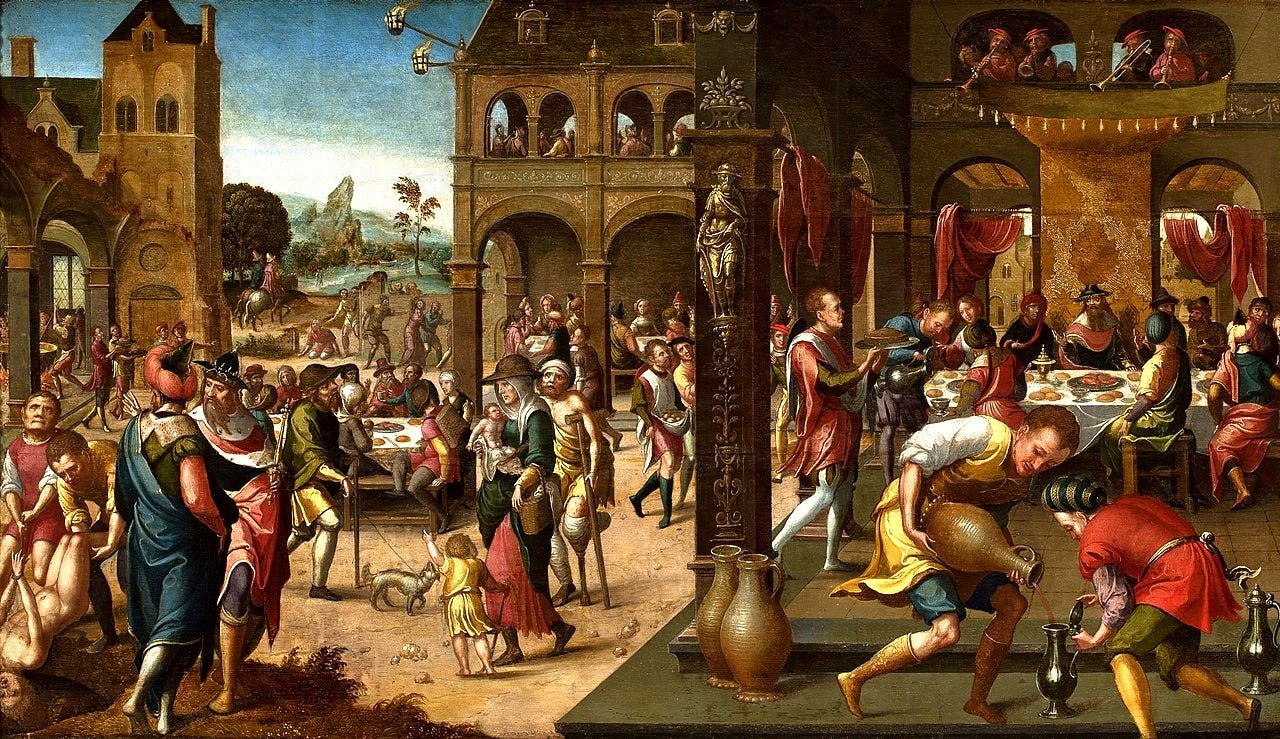
Our Lord shows the terrible danger of refusing grace, even for things lawful in themselves.
Part IV: How the call to the Church passed from Israel to the Gentiles
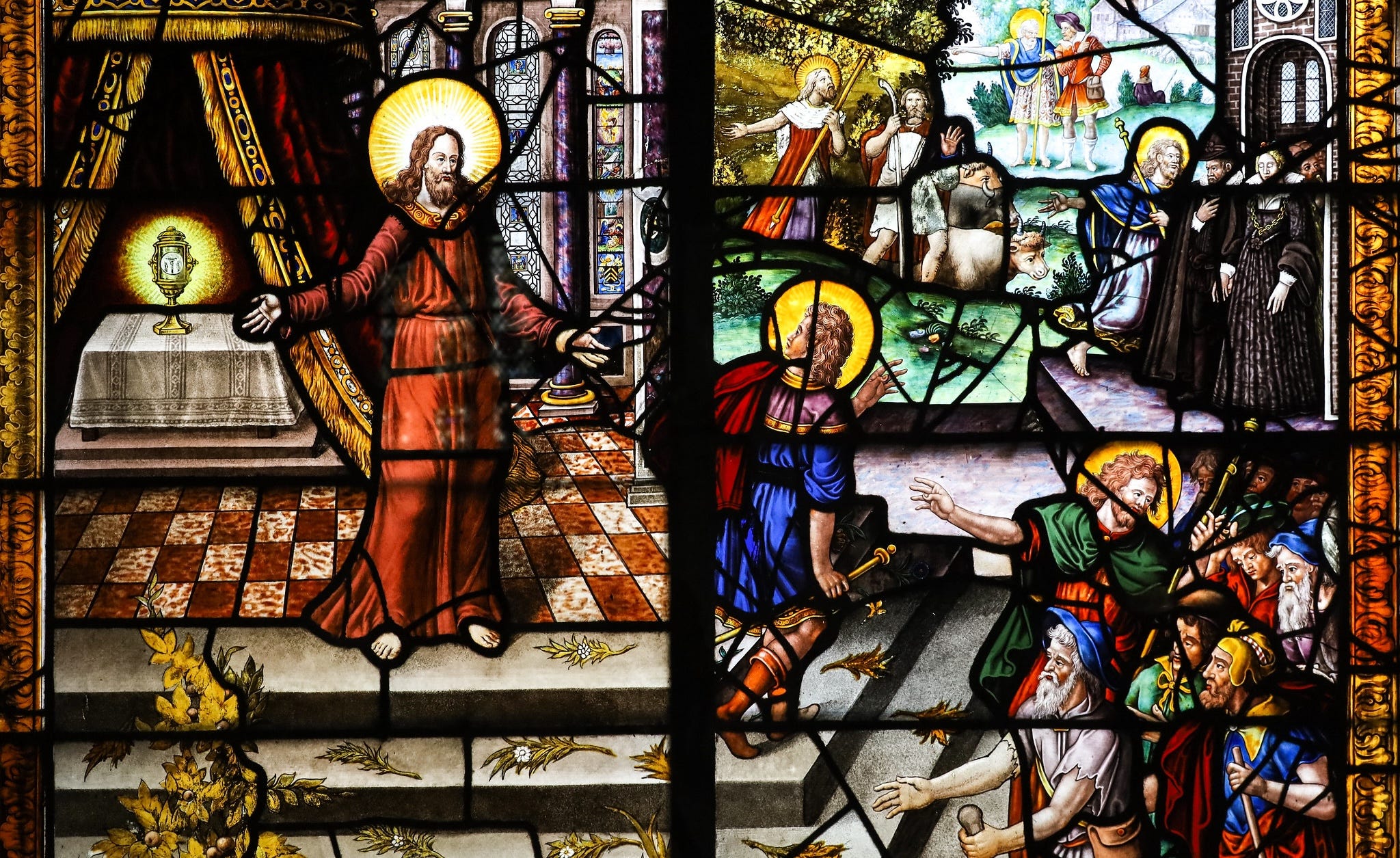
The contempt for Christ on the part of his people opened the door to the Gentiles. But what two classes of Gentiles are represented by the two classes of men in the parable?
BONUS ARTICLES
Part I: Why did Christ provoke His enemies with miracles on the Sabbath?
.jpg#/media/File:Christ_in_the_pharisee's_house_(Monreale).jpg)
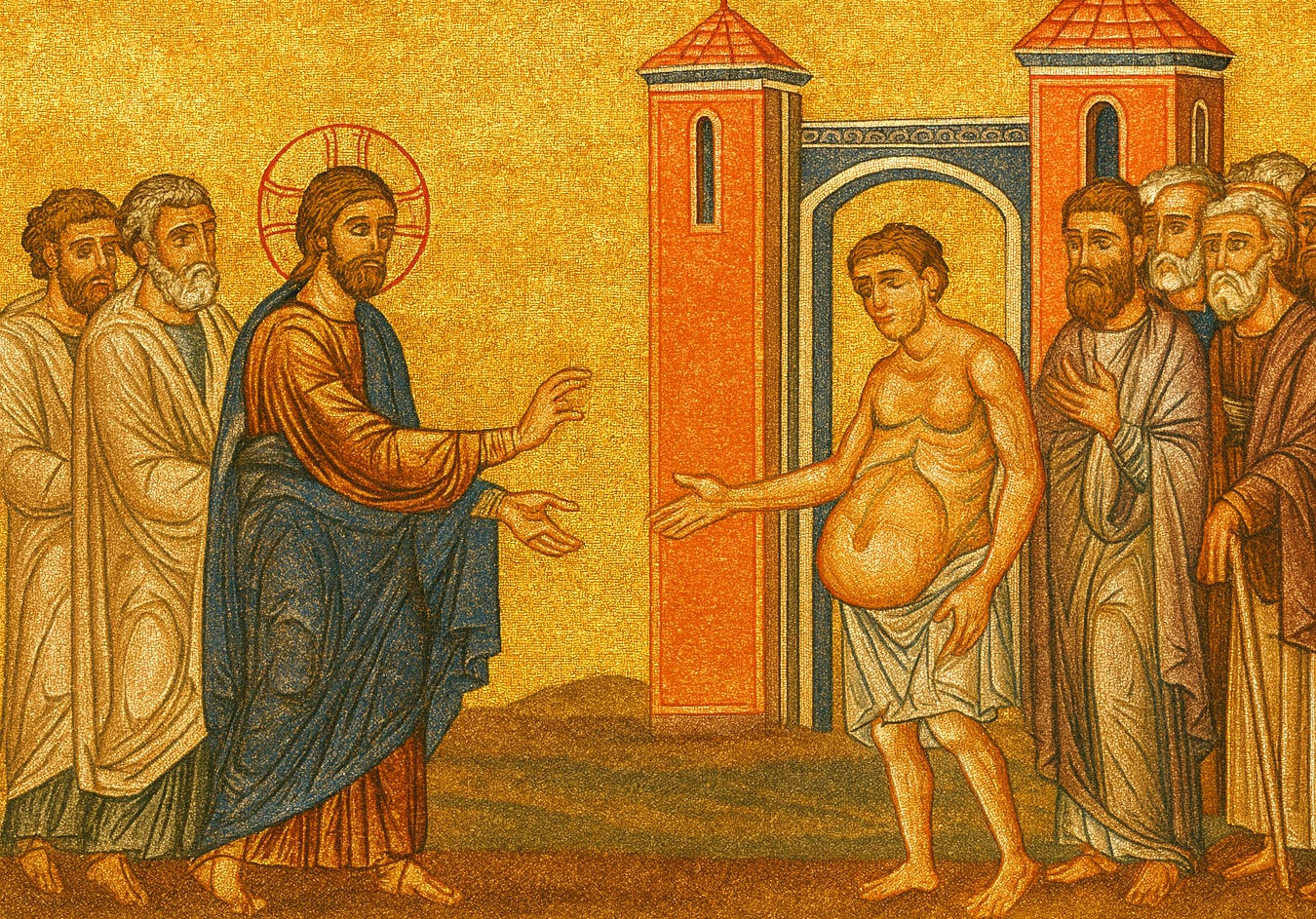
Our Lord is watched closely as He enters the house of a leading Pharisee on the Sabbath. A man with dropsy stands before Him—perhaps placed there as a trap. What will he do?
Part II: Why humility is necessary even on the natural level
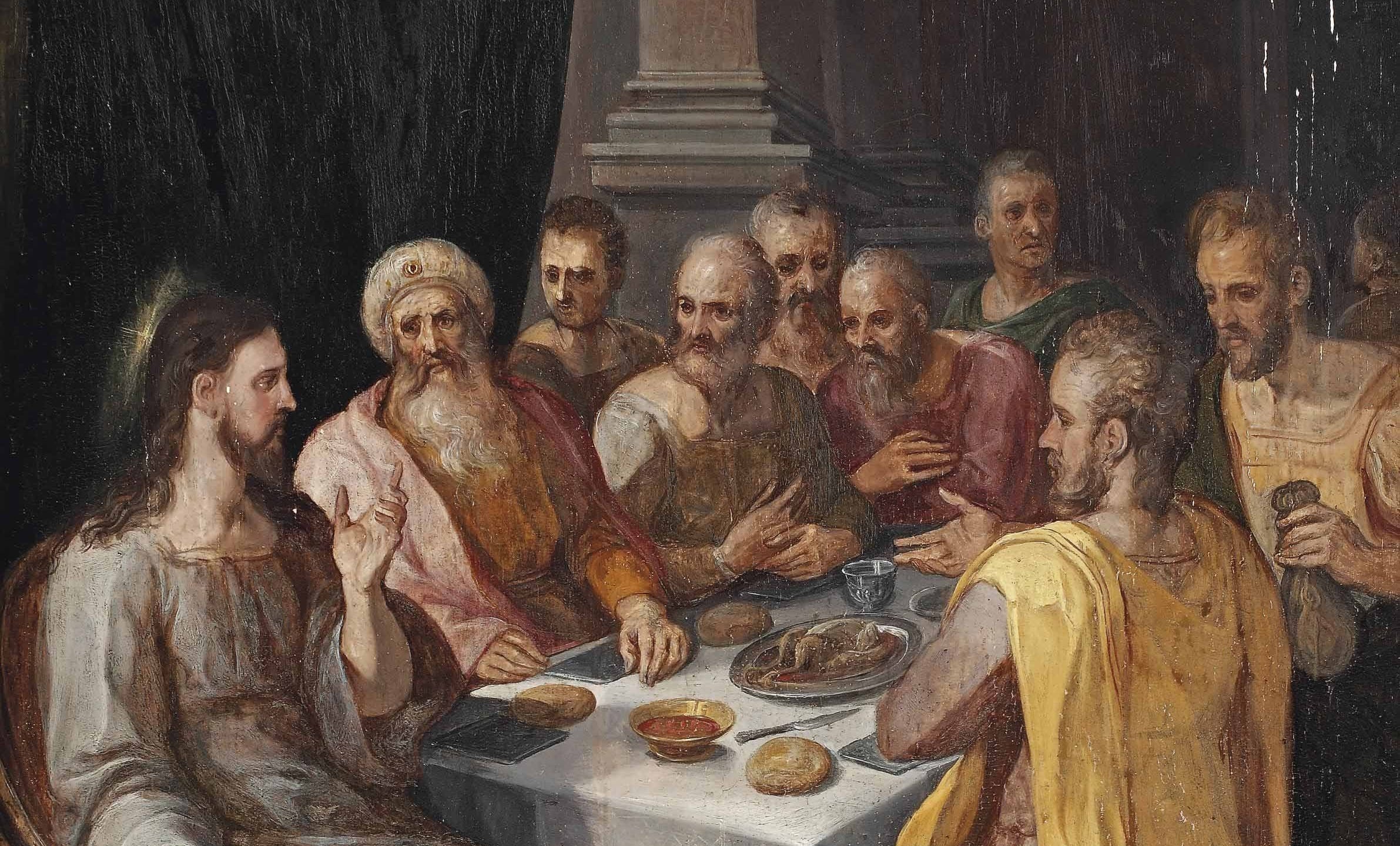
At a Sabbath meal in a Pharisee’s house, Christ explains why anyone with an ounce of self-respect must strive to be humble, or else look completely foolish.
Part V: Does Jesus actually want us to ‘hate’ our family members?
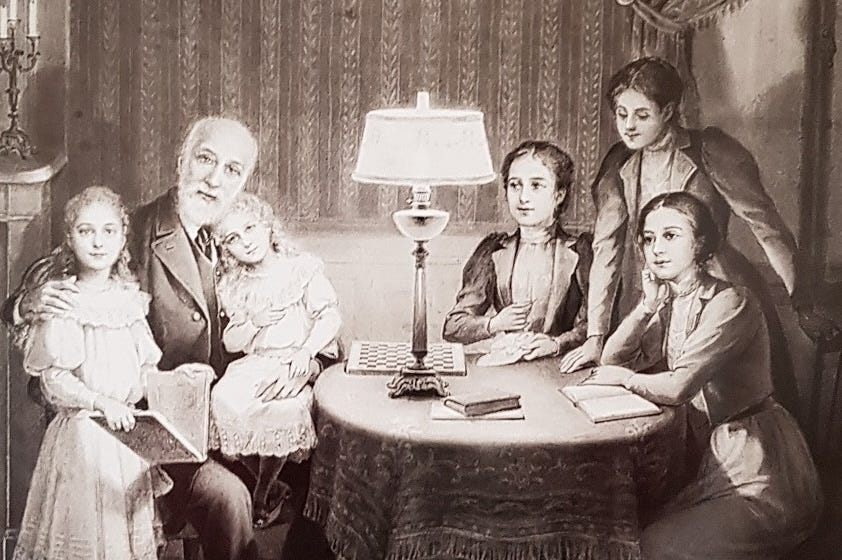
Christ tells us the cost of discipleship: not only must we carry our cross, but we must ‘hate’ father, mother, wife and children—even our own life. But what did he mean?
Here’s why you should subscribe to The Father Coleridge Reader and share with others:
Fr Coleridge provides solid explanations of the entirety of the Gospel
His work is full of doctrine and piety, and is highly credible
He gives a clear trajectory of the life of Christ, its drama and all its stages—increasing our appreciation and admiration for the God-Man.
If more Catholics knew about works like Coleridge’s, then other works based on sentimentality and dubious private revelations would be much less attractive.
But sourcing and curating the texts, cleaning up scans, and editing them for online reading is a labour of love, and takes a lot of time.
Will you lend us a hand and hit subscribe?
Follow our projects on Twitter, YouTube and Telegram:
Twitter (The WM Review)