

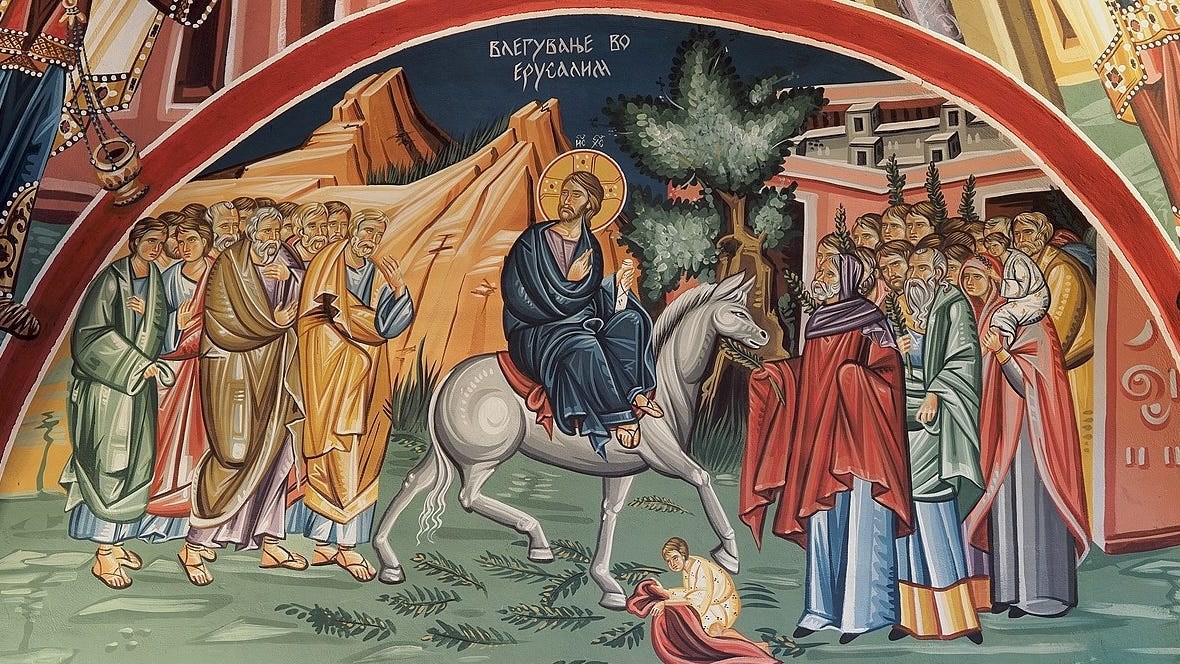
On Palm Sunday, Christ casts his previous reserve aside, and enters into his Kingdom.
Editor’s Notes
Palm Sunday is the start of Holy Week. Immediately after raising Lazarus from the dead, and a controversial supper at Bethany, Our Lord enters Jerusalem in triumph.
This unlike any of his previous arrivals into the Holy City. This time, he openly enters as Messias and King, and fulfils the prophecy of Zacharias in a way that makes his intentions unambiguous. He throws off his usual reserve: he accepts public praise, where previously he had deflected it. He defies his enemies with an even greater imperiousness than before, while defending the weak and those attacked on false grounds.
This triumphal entry provides a key to the whole of his blessed and glorious Passion. Especially important to Fr Coleridge in his treatment is Our Lord’s arrival at the Temple, for the purpose of offering himself as the sacrificial victim for the redemption of mankind – to be consummated less than a week later.
The parts of Fr Coleridge’s chapter are below – along with The WM Review’s commentary on the liturgical propers of Passiontide, our “Little Lenten Effort”, and our Top Five Lent Articles.
One last thing: here is The WM Review’s meditation on Palm Sunday, taken from the series Preparation for Total Consecration to the Blessed Virgin:
Disputes in the Temple
Part I: Our Lord casts reserve aside and enters Jerusalem as Christ the King
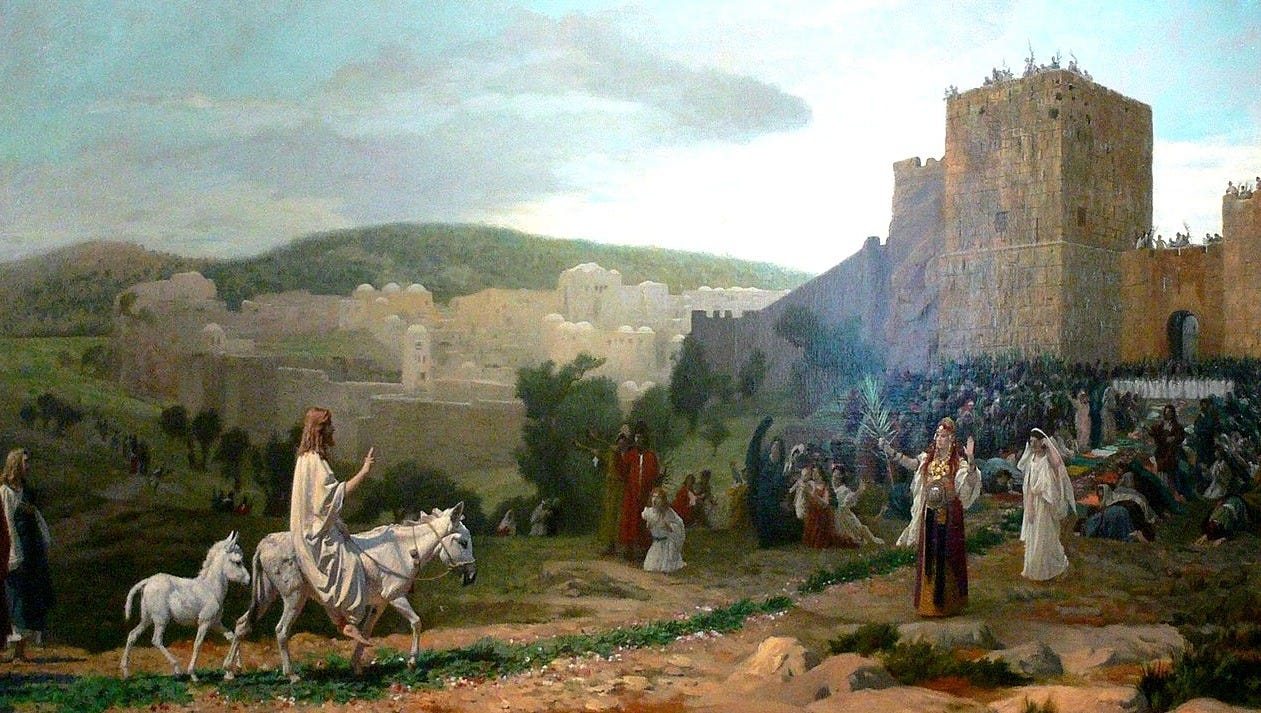
When ‘the hour’ arrived, Our Lord openly manifested himself as Christ and King, in spite of the threats of his enemies.
Part II: How the raising of Lazarus ignited Palm Sunday
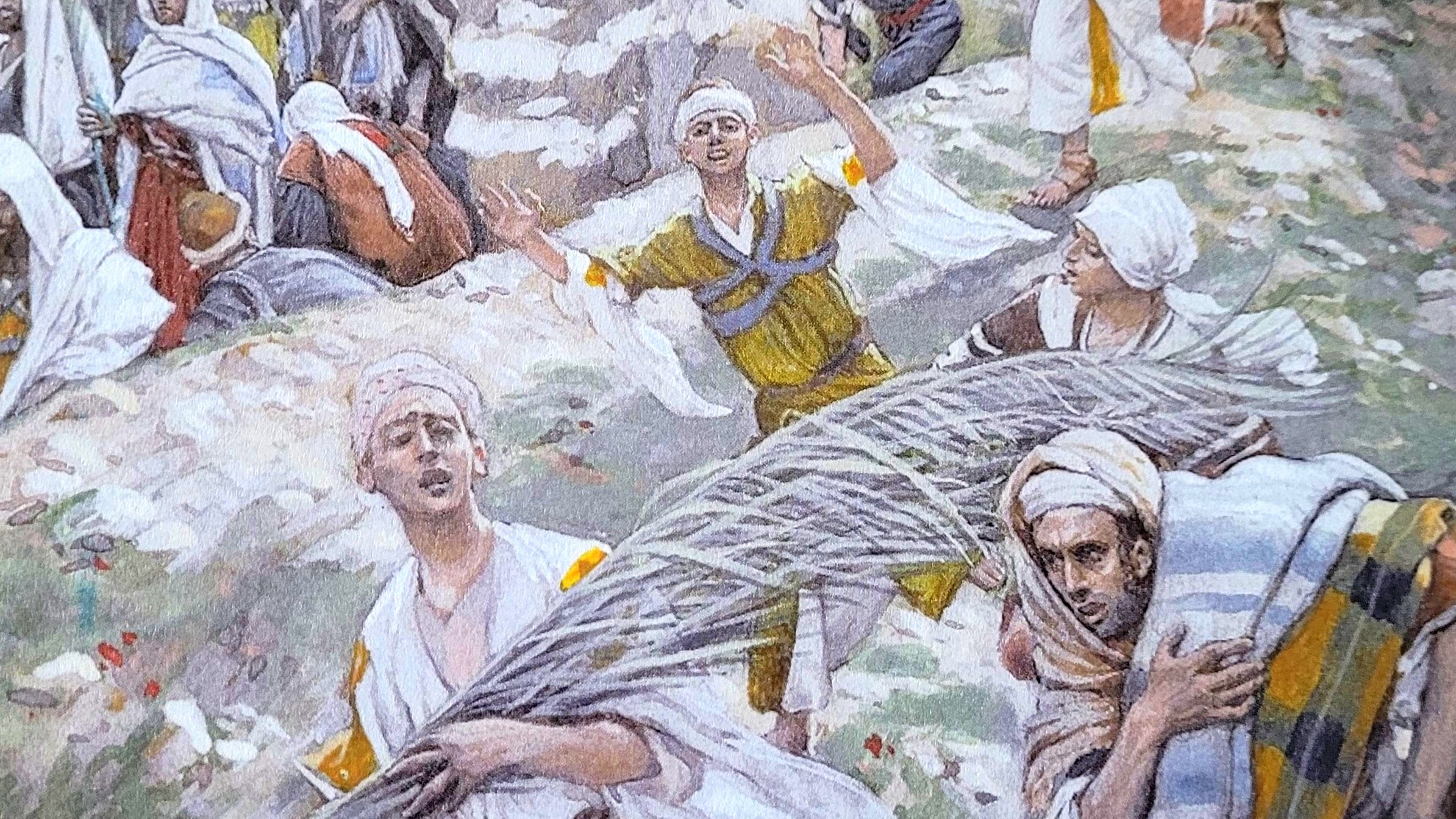
As Christ entered fulfilling prophecy and working miracles, Jerusalem was on fire and prepared to acclaim him as King.
Part III: What was it about Palm Sunday that most surprised the Pharisees?
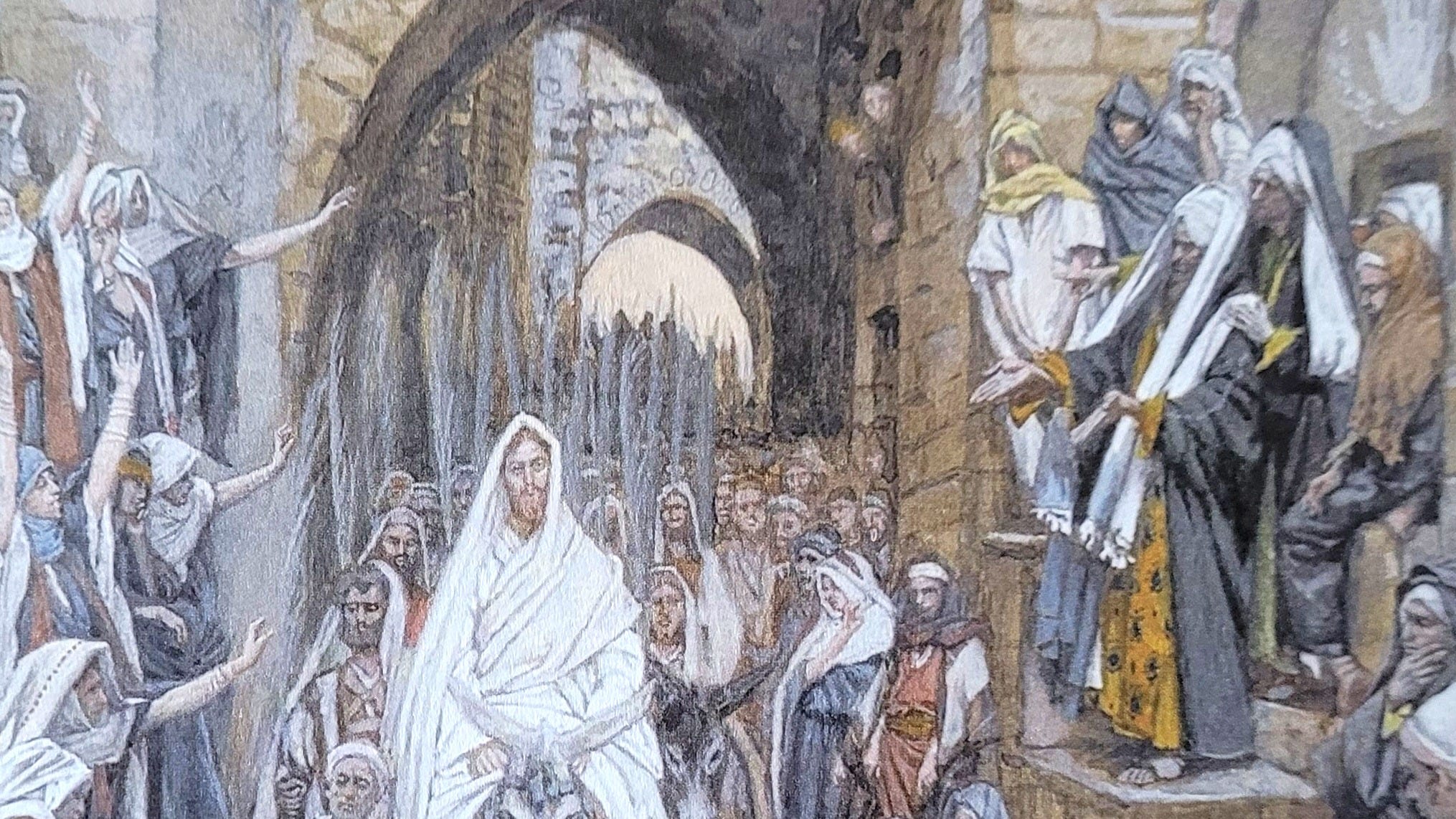
The triumphal entry marked change in Our Lord’s acceptance of honours from his followers.
Part IV: Why did Christ say the stones would cry out?
Our Lord tells his enemies what happens when Man refuses to praise his Creator.
Part V: Why Christ wept over Jerusalem in Holy Week
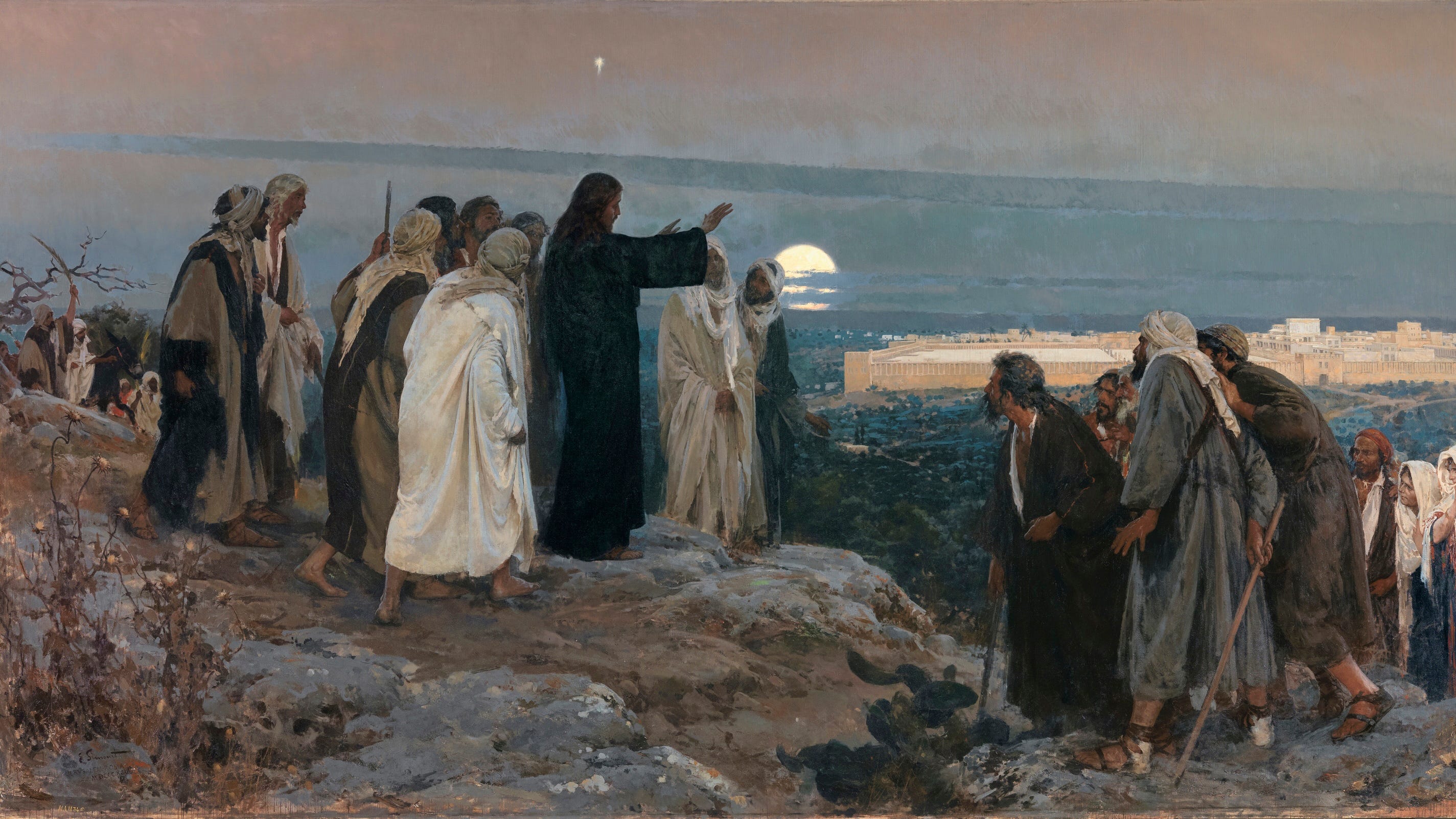
It was not too late for them to repent – nor is it too late for us.
Why Christ wept over Jerusalem in Holy Week
Part VI: How mere children shamed the Chief Priests in Holy Week
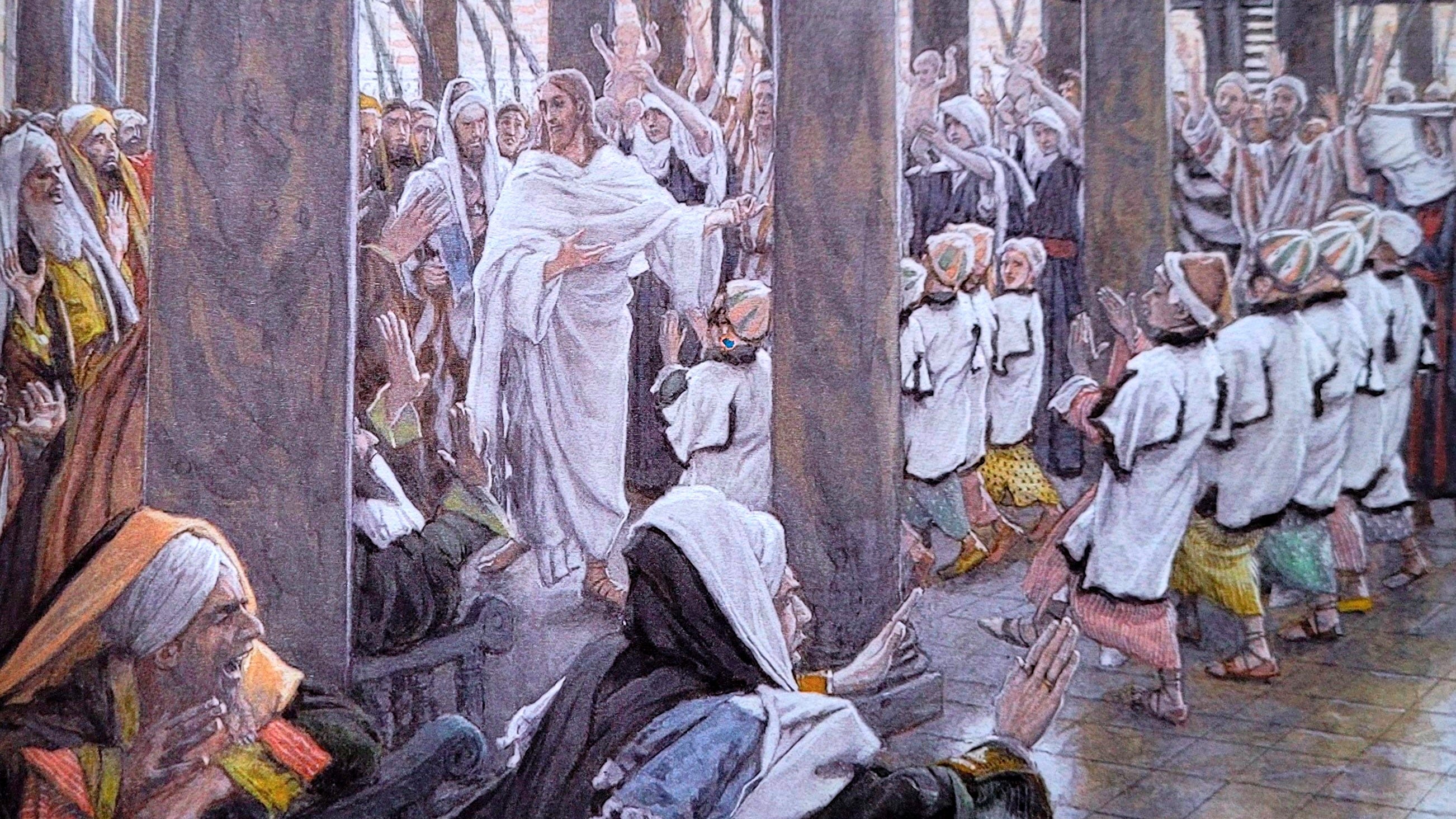
God delights in the praise of little ones, who have much to teach us about worship.
Part VII: Holy Week’s turning point was earlier than we think
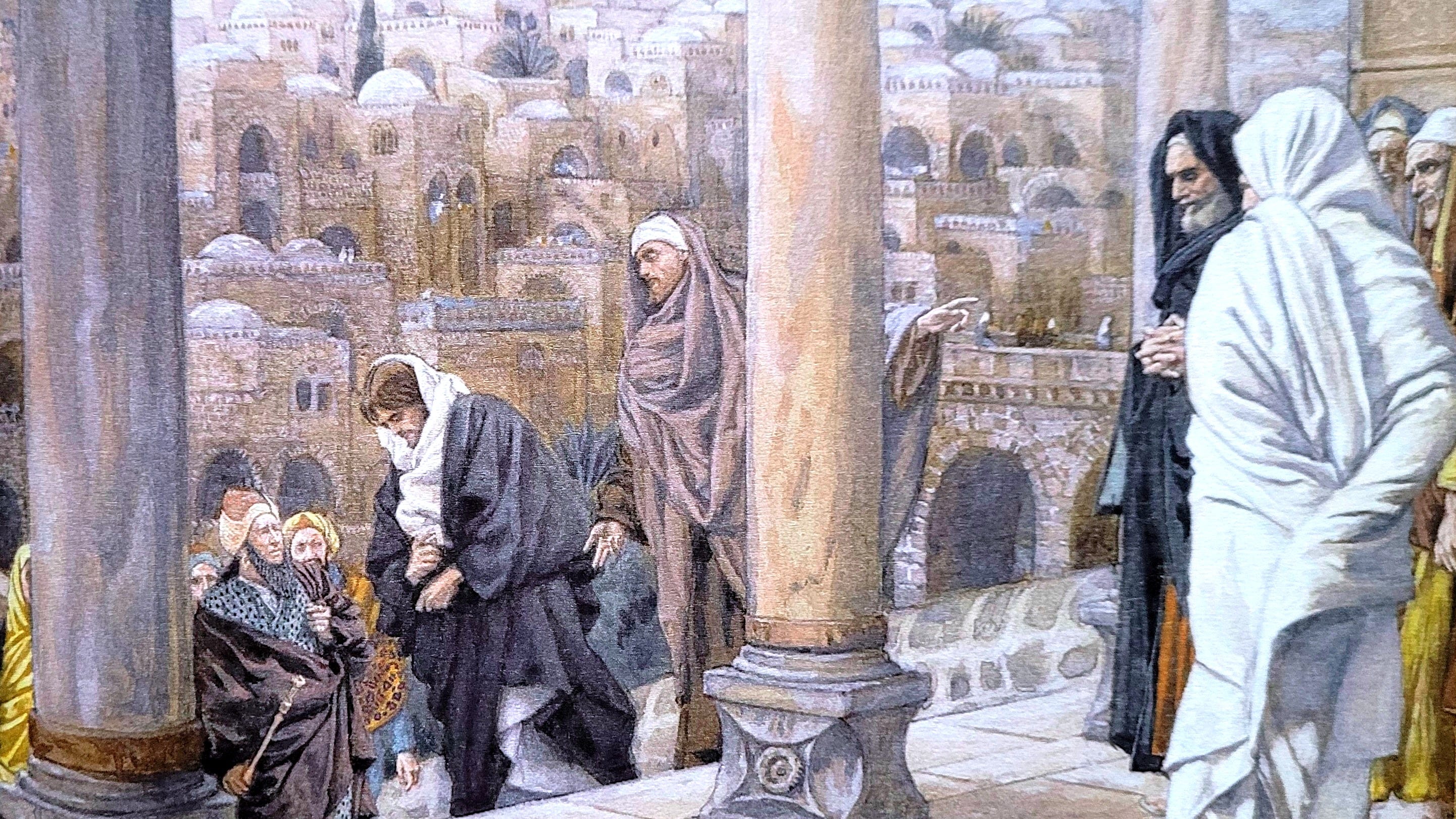
Although he did not speak directly to the group of Greeks on Palm Sunday, this decisive moment seems to have moved Our Lord’s Sacred Heart.
Part VIII: Satan as ‘the prince of this world’—cast out by Christ
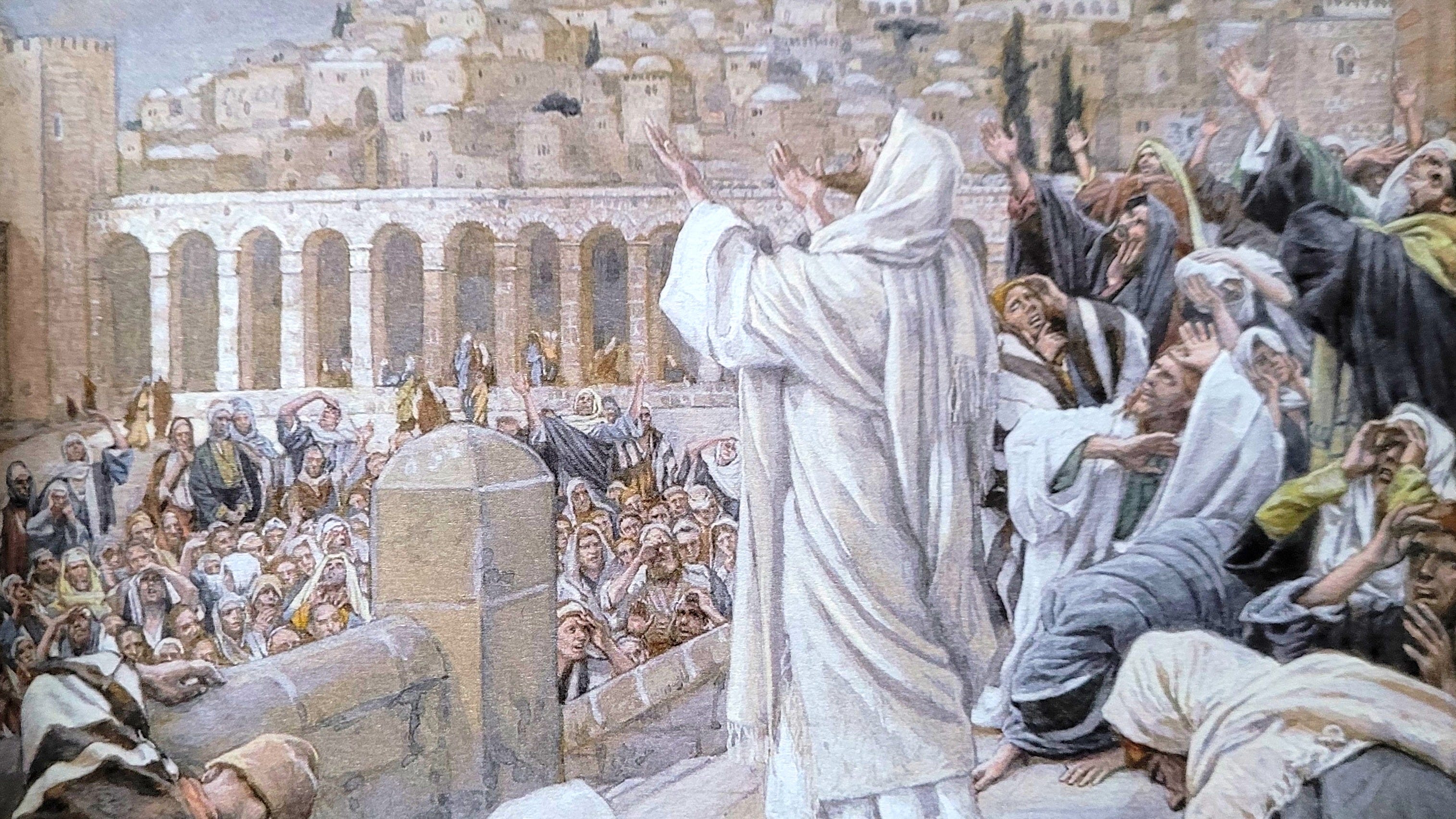
The voice from Heaven confirmed Christ’s mission and the beginning of the end for Satan’s Empire.
Part IX: Being ‘lifted up’ on the Cross was Christ’s glory and desire
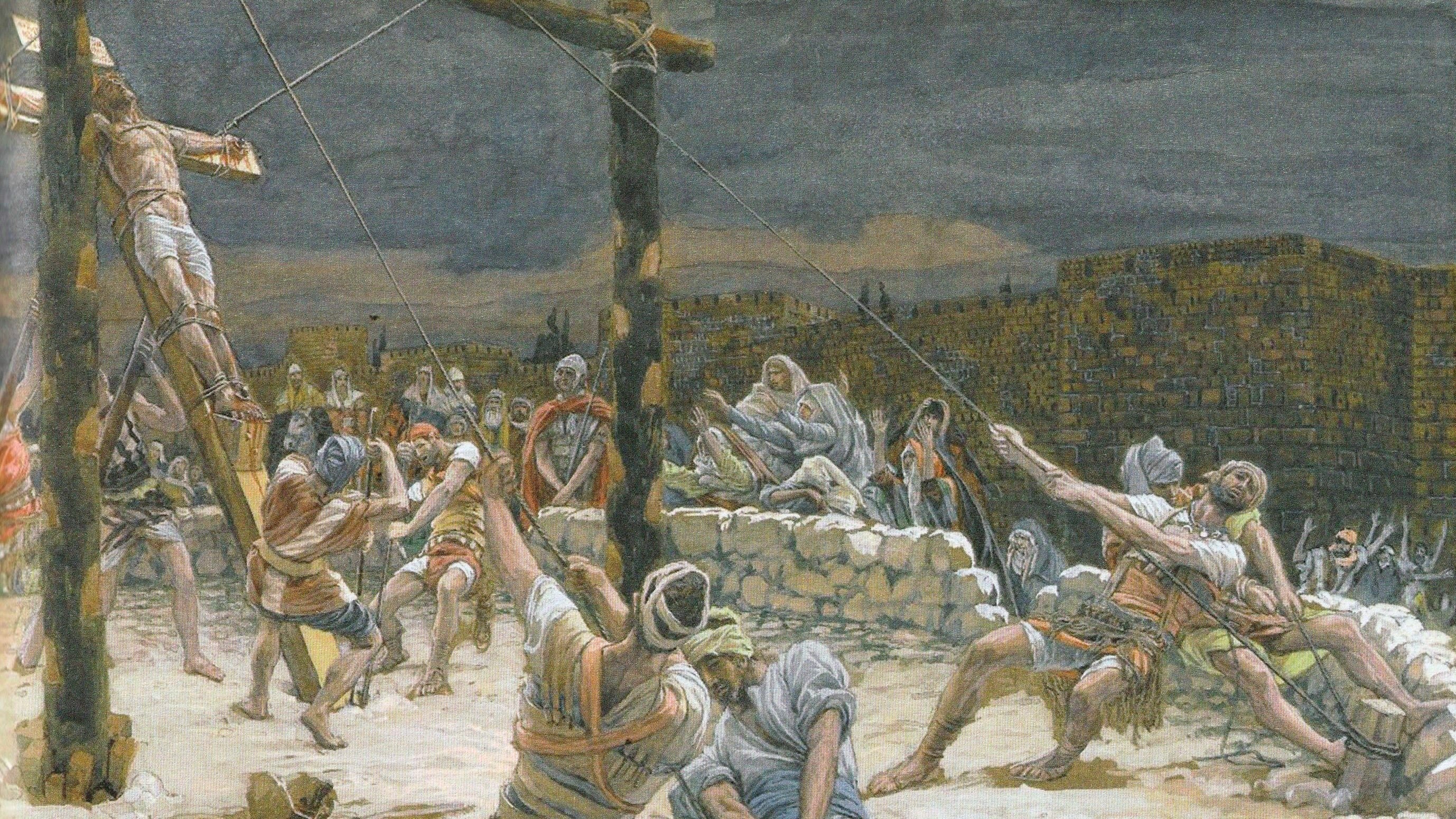
Why was the Cross the true throne of Christ the King?
Bonus Articles
Listen: The King comes to claim his City
Jesus enters Jerusalem in a way that declares himself its King, and he allows himself to be acclaimed as such – but what sort of King is he?
Taken from The WM Review’s acclaimed series Preparing for Total Consecration to the Blessed Virgin Mary:
Why Palm Sunday’s joy ends at the church door
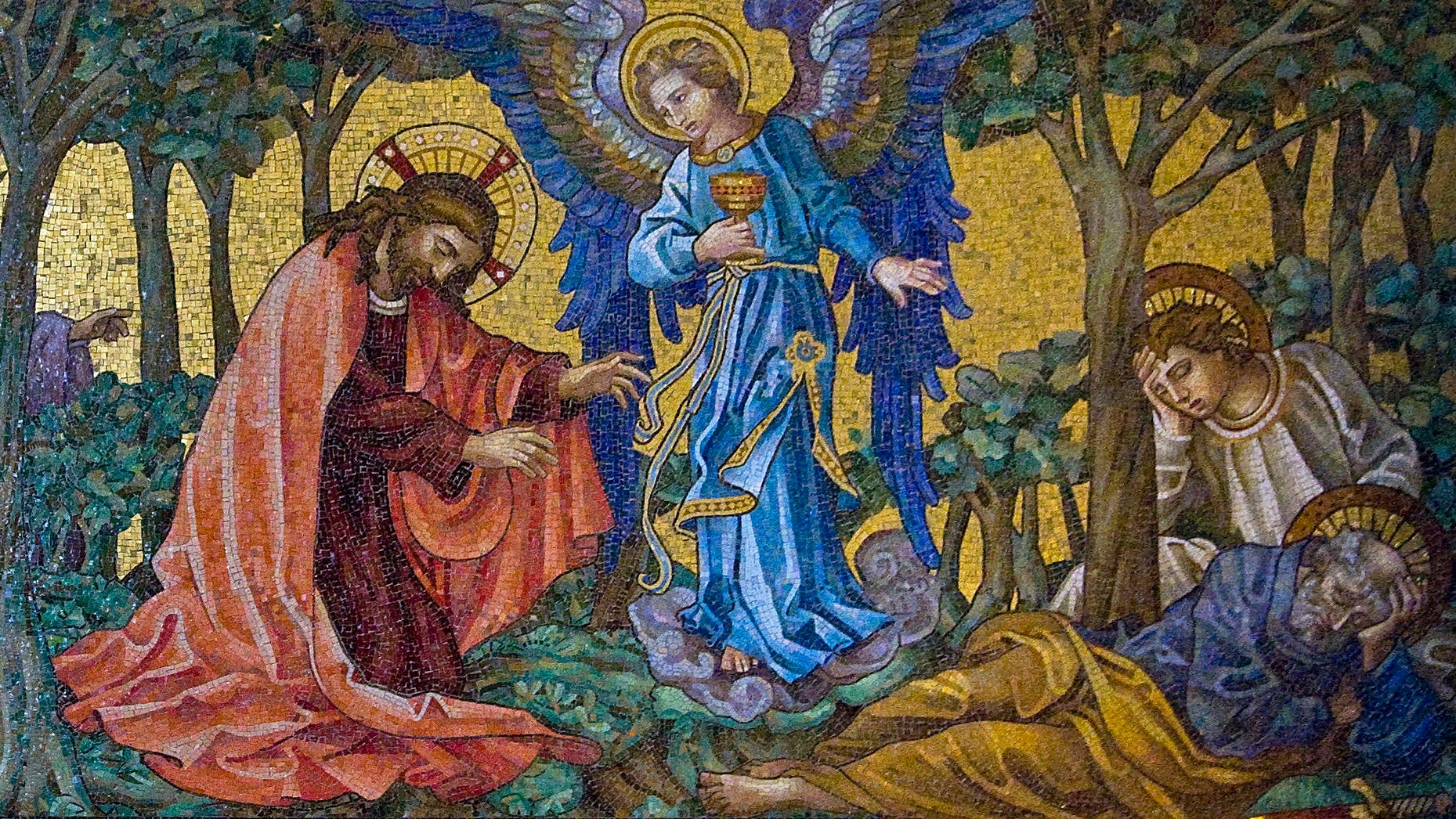
The triumph of the procession on Palm Sunday does not spill over into the Mass. But why?
The WM Review’s Little Lenten Effort

See here for a very simple programme based on the “Little Way” of St Thérèse of Lisieux:
The WM Review’s Top Five Lent Articles

.jpg)


Father Coleridge Reader is a project of The WM Review. Here are our favourite five sets of WM Review articles for the Lenten period.
Passion Sunday: The Composure of Christ
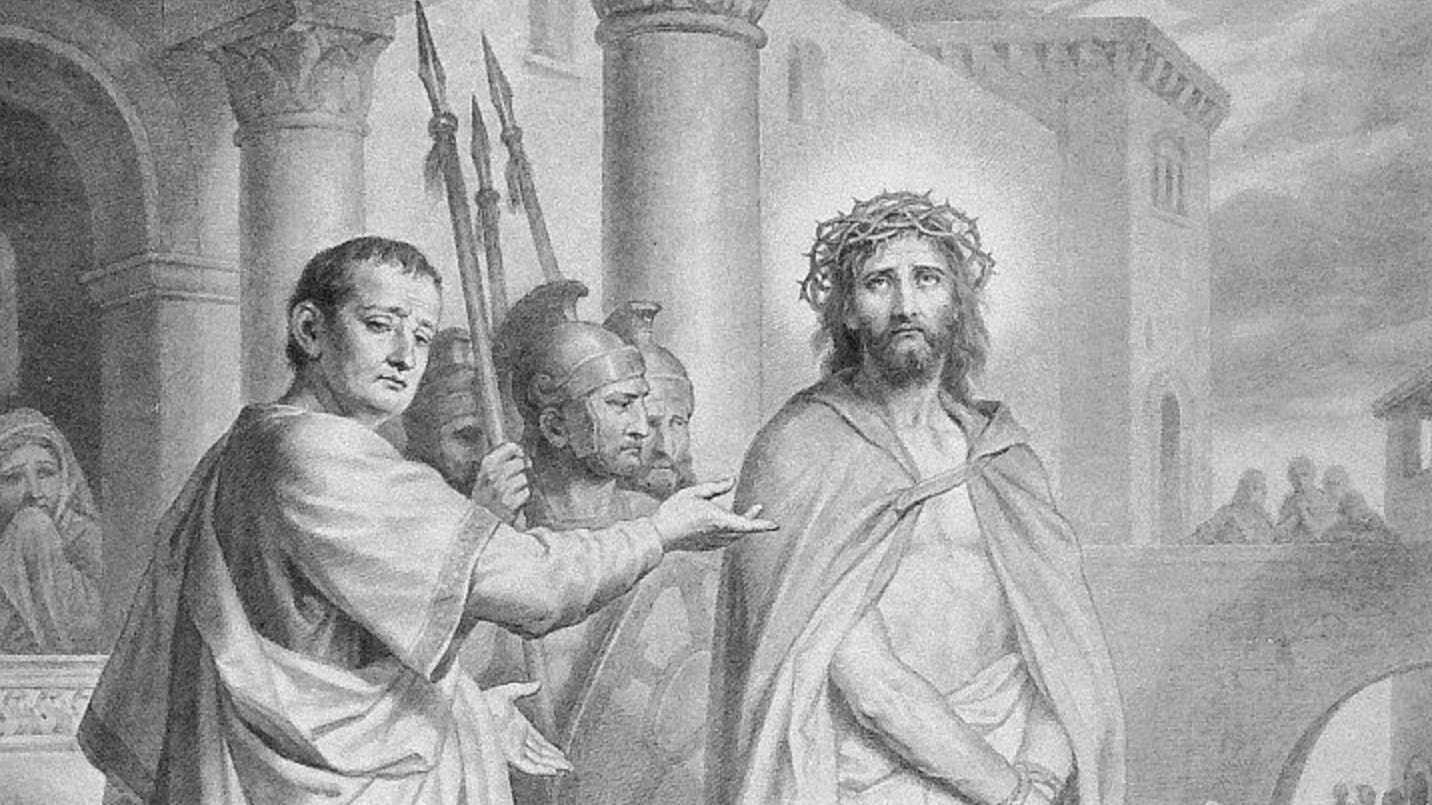

The Roman liturgy presents a Christ who suffers with majesty, silence, and strength.
Christ’s silence in his Passion—and in his Church
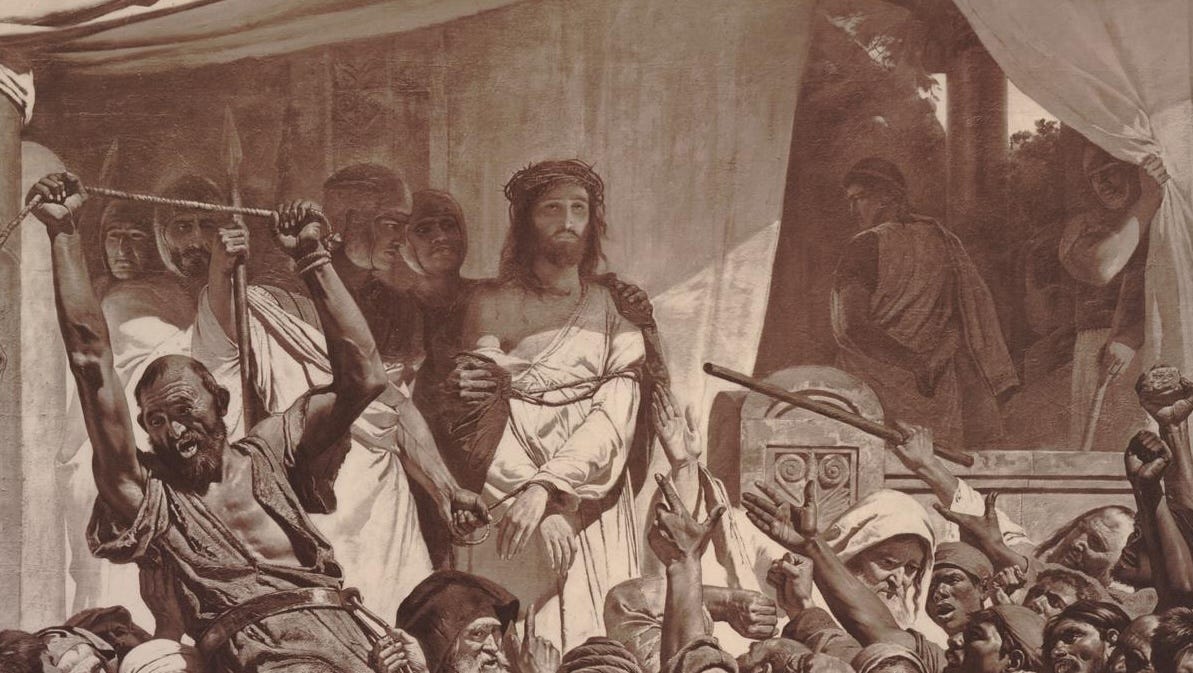

The Church stands before the world, as Christ stood before Pilate to be judged—and she stands in silence.
Here’s why you should subscribe to The Father Coleridge Reader and share with others:
Fr Coleridge provides solid explanations of the entirety of the Gospel
His work is full of doctrine and piety, and is highly credible
He gives a clear trajectory of the life of Christ, its drama and all its stages—increasing our appreciation and admiration for the God-Man.
If more Catholics knew about works like Coleridge’s, then other works based on sentimentality and dubious private revelations would be much less attractive.
But sourcing and curating the texts, cleaning up scans, and editing them for online reading is a labour of love, and takes a lot of time.
Will you lend us a hand and hit subscribe?
Follow our projects on Twitter, YouTube and Telegram:
Twitter (The WM Review)