

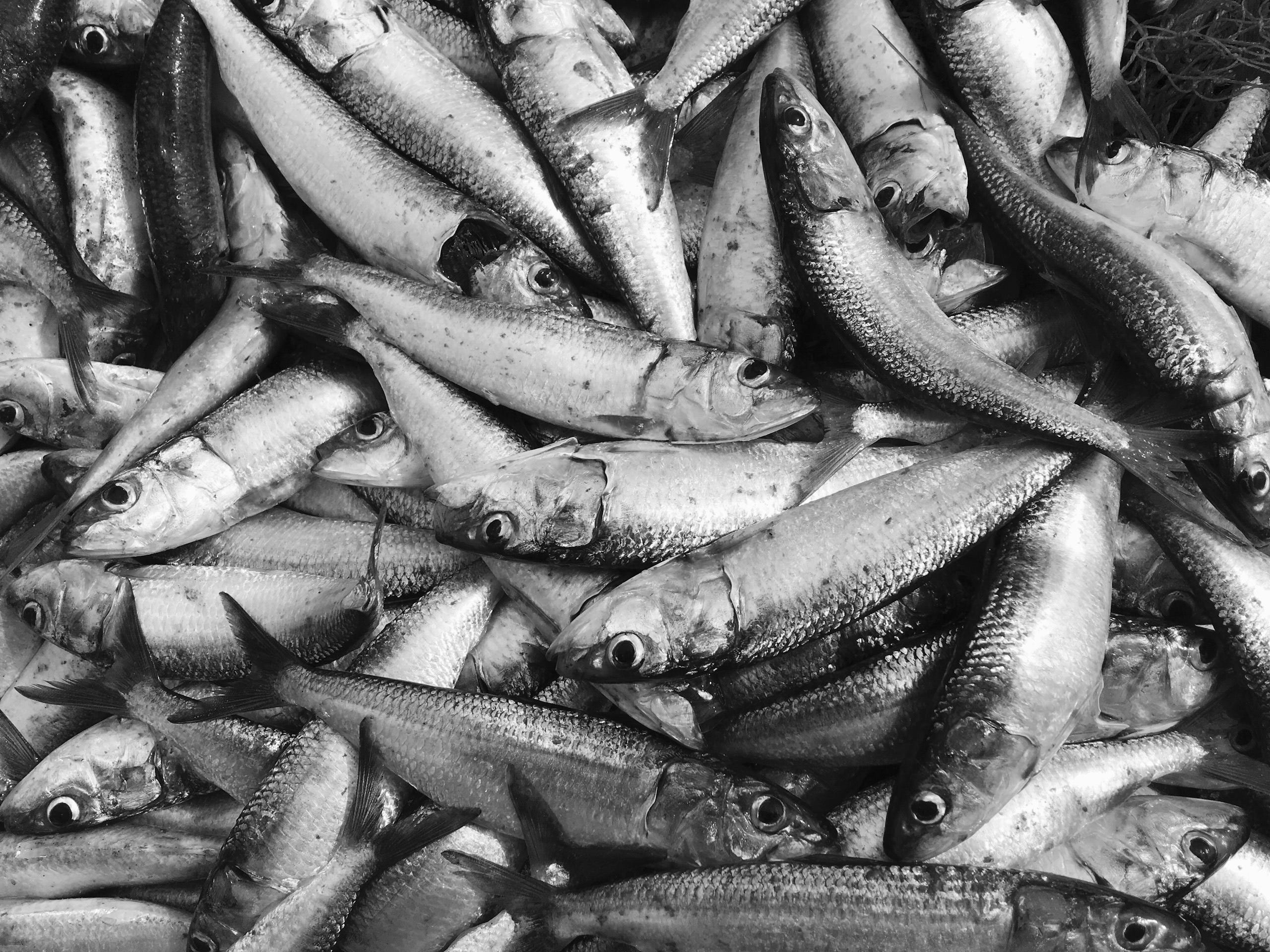
Before Simon Peter could become a fisher of men, Christ let him labour all night in vain – only to reward his obedience with more than he could manage.
Editor’s Notes
The following commentary pertains to the Miraculous Draught of Fishes (Luke 5.1-11), read at Mass on the Fourth Sunday after Pentecost. It takes place near the beginning of Christ’s public life – and although many modern productions present it as the first encounter of Christ with St Peter and the others, the latter had already received a preliminary calling (with their formal election as the Twelve coming later).
It takes place after the healing of St Peter’s mother-in-law, and is followed in St Luke’s Gospel by the cleansing of the leper and the calling of Levi / St Matthew.
The miracle inaugurates a new stage in the disciples’ formation. It reveals Christ’s power over nature and souls, and marks the transformation of Peter and his companions from fishermen to “fishers of men.” It shows how obedience, even when human judgement hesitates, leads to spiritual fruitfulness.
But the significance of the miracle is not limited to the four Apostles mentioned. It is a parable of the Church’s mission: the net of the Gospel gathers souls of every kind. It reassures the Church in her trials: grace, rather than human strength, is what secures her success.
Although St Peter says to Our Lord, “Depart from me, for I am a sinful man,” the Roman Liturgy preempts him by opening the Mass with the Introit taken from Psalm 26:
Introit: The Lord is my light and my salvation; whom should I fear? The Lord is my life’s refuge; of whom should I be afraid? My enemies that trouble me, themselves stumble and fall. V Though an army encamp against me, my heart will not fear.
Though weak and unworthy, we are upheld by grace – and as the enemies of truth stumble and fall, the net of Christ still gathers souls.
The Miraculous Draught of Fishes
The Training of the Apostles, Part I
Chapter II
St. Luke v. 1—11, Story of the Gospels, § 37
Burns and Oates, London, 1884
(Read at Holy Mass on the Fourth Sunday after Pentecost)
Part I: How Christ turned Simon Peter’s trade into a parable of Christian ministry
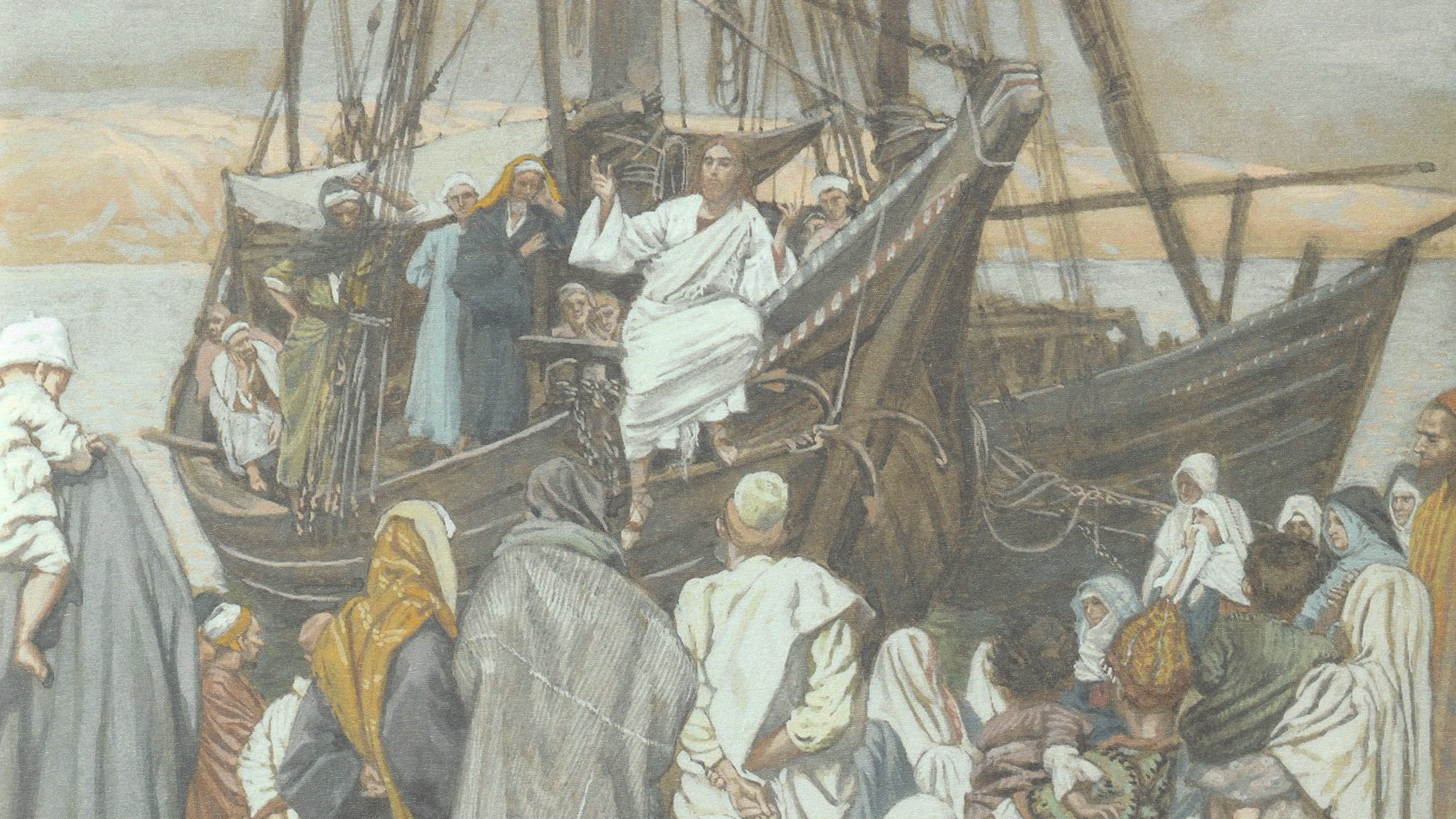
Before Simon Peter could become a fisher of men, Christ let him labour all night in vain – only to reward his obedience with more than he could manage.
Part II: Why are zeal and effort not enough in apostolic work?
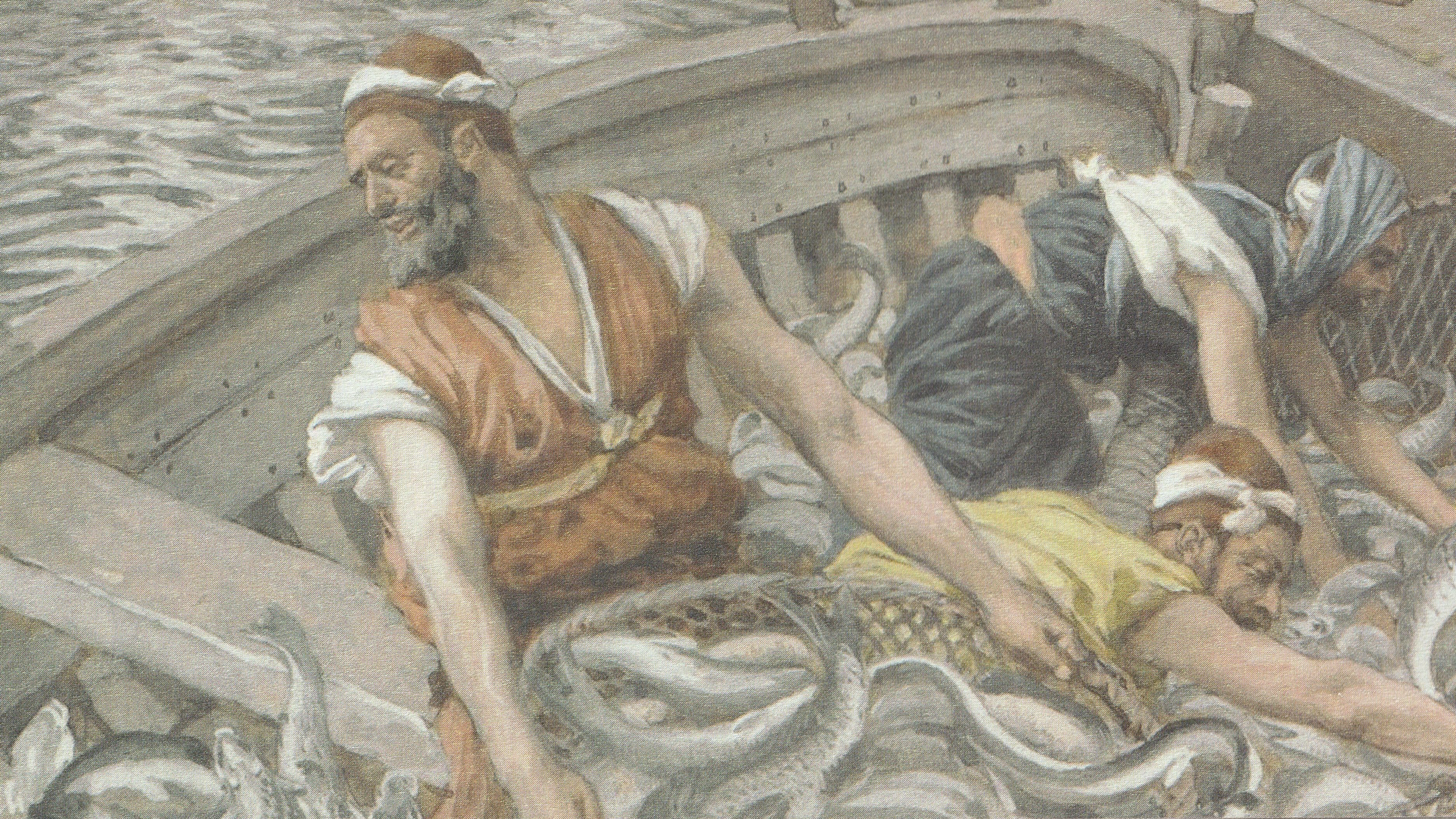
Christ’s command to “launch out into the deep” taught the Apostles—and the Church—that success in saving souls does not on human strength.
Part III: What do St Peter’s bursting nets reveal about dangers to the Church?
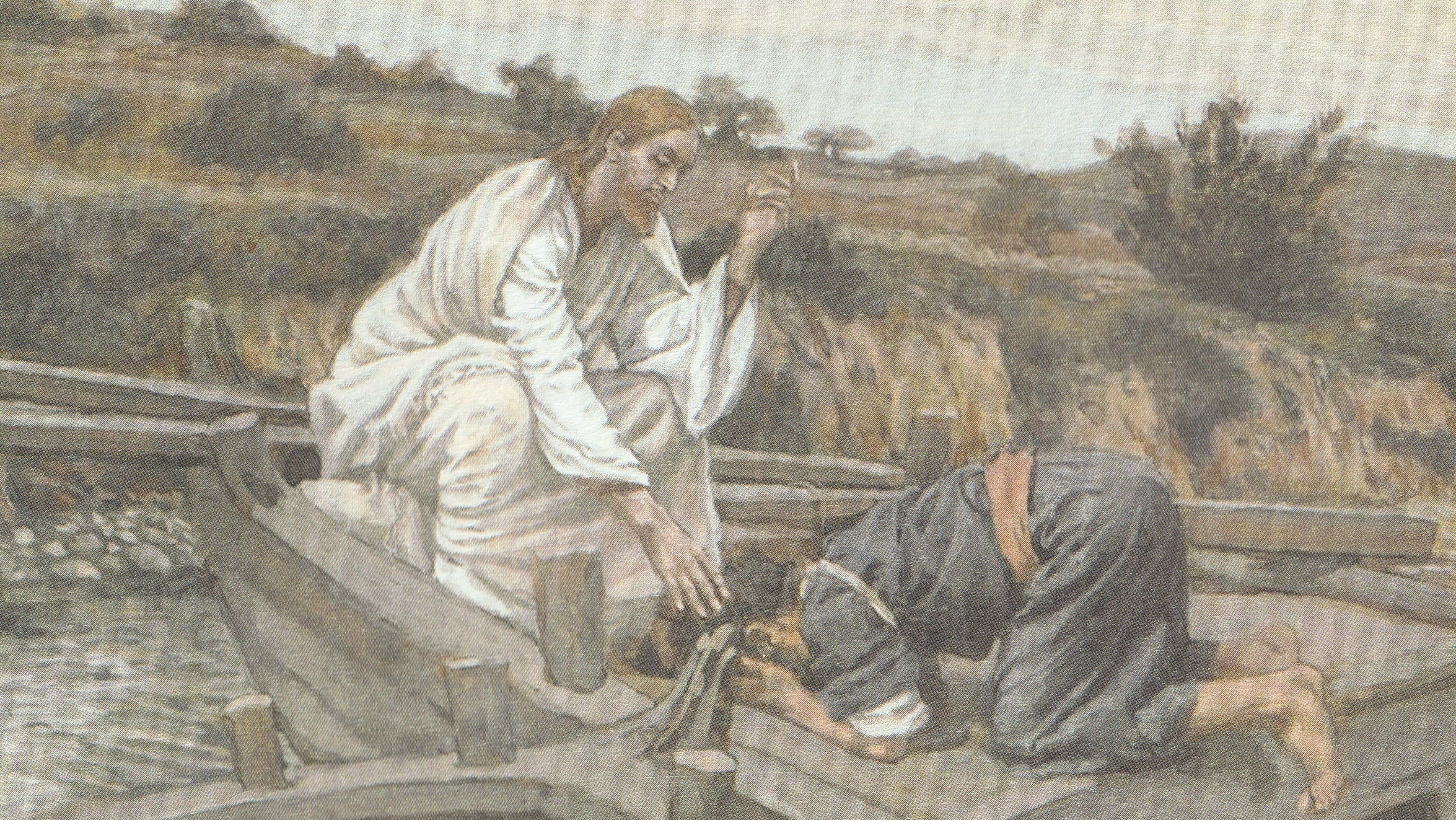
The ‘broken nets’ of the miracle show us much about the life of the Church.
Part IV: St Peter is always at the centre of Christ’s ‘lake miracles’

The miraculous draught was just the first of several ‘lake miracles,’ each of which offers symbolic meaning for the life of the Church.
Here’s why you should subscribe to The Father Coleridge Reader and share with others:
Fr Coleridge provides solid explanations of the entirety of the Gospel
His work is full of doctrine and piety, and is highly credible
He gives a clear trajectory of the life of Christ, its drama and all its stages—increasing our appreciation and admiration for the God-Man.
If more Catholics knew about works like Coleridge’s, then other works based on sentimentality and dubious private revelations would be much less attractive.
But sourcing and curating the texts, cleaning up scans, and editing them for online reading is a labour of love, and takes a lot of time.
Will you lend us a hand and hit subscribe?
Follow our projects on Twitter, YouTube and Telegram:
Twitter (The WM Review)
I pray that The Church experiences the same as the nets.
I also believe, it’s a lesson to us all. If we do things our way, there is no fruits.. as the church of today, but if we follow the Lord and listen to him, his Gospel, there will be many fruits. As per the nets the Deciples put in one side and there were no fruits, the Lord asked them to place the nets on the other side.. the nets filled with an abundance of fruits. 🙏