


Our Lord’s warning requires his faithful to discern true teachers from false ones.
Editor’s Notes
On the Seventh Sunday after Pentecost, the Church reads part of Our Lord’s Sermon on the Mount.
“At that time, Jesus said to His disciples: Beware of false prophets, who come to you in sheep’s clothing, but inwardly are ravenous wolves. By their fruits you will know them. Do men gather grapes from thorns, or figs from thistles? Even so, every good tree bears good fruit, but the bad tree bears bad fruit. A good tree cannot bear bad fruit, nor can a bad tree bear good fruit. Every tree that does not bear good fruit is cut down and thrown into the fire. Therefore, by their fruits you will know them. Not everyone who says to Me, ‘Lord, Lord,’ shall enter the kingdom of heaven; but he who does the will of My Father in heaven shall enter the kingdom of heaven.”
(Matt. 7:15-21)
The Sermon on the Mount was delivered early in Christ’s public ministry, after the first Passover and our Lord’s initial preaching and miracles.
It comes amidst Our Lord’s injunctions to have confidence in God, and to be cautious in judging others. We should note, however, that one cannot “beware of false prophets” without judging that someone is or is likely to be a false prophet.
Thus, the idea that one must assume the best of an evident false prophet, or await the intervention of authority before acting accordingly, is not correct.
Although it is a short Gospel passage, Fr Coleridge discusses it over three chapters. What follows is the serialisation of the first part – and some bonus articles.
The False Prophets
The Sermon on the Mount (To the End of the Lord’s Prayer)
Chapter XV
St. Matt. vii. 15—20; Story of the Gospels, § 34
Burns and Oates, London, 1878
Read on the Seventh Sunday after Pentecost.
Part I: Why did Christ warn of false teachers so early in His ministry?
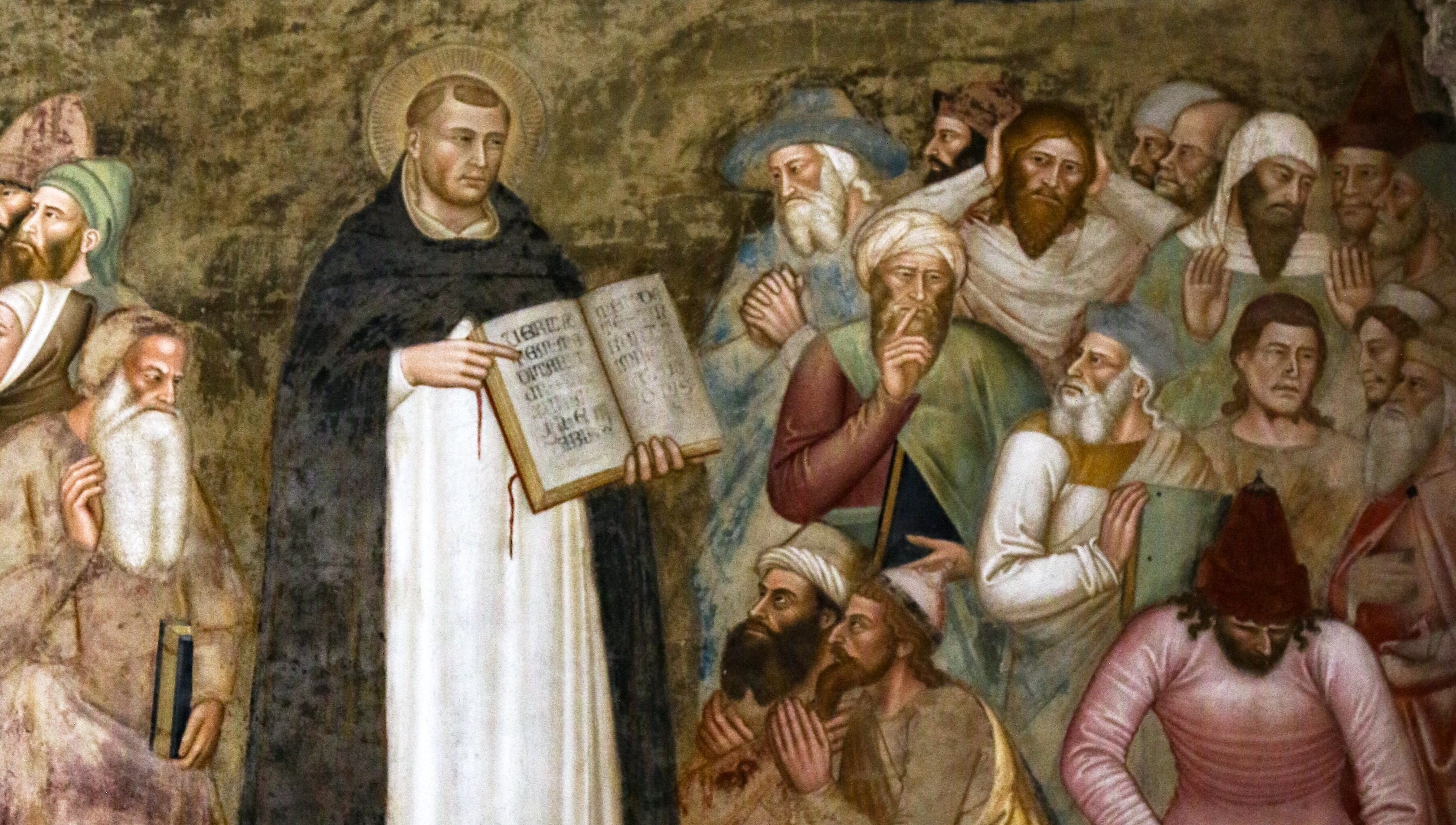
Christ’s earliest warnings included calling his followers to beware of false prophets, both within and without the Church.
Part II: What is the ‘appetite for destruction’ that drives false prophets?
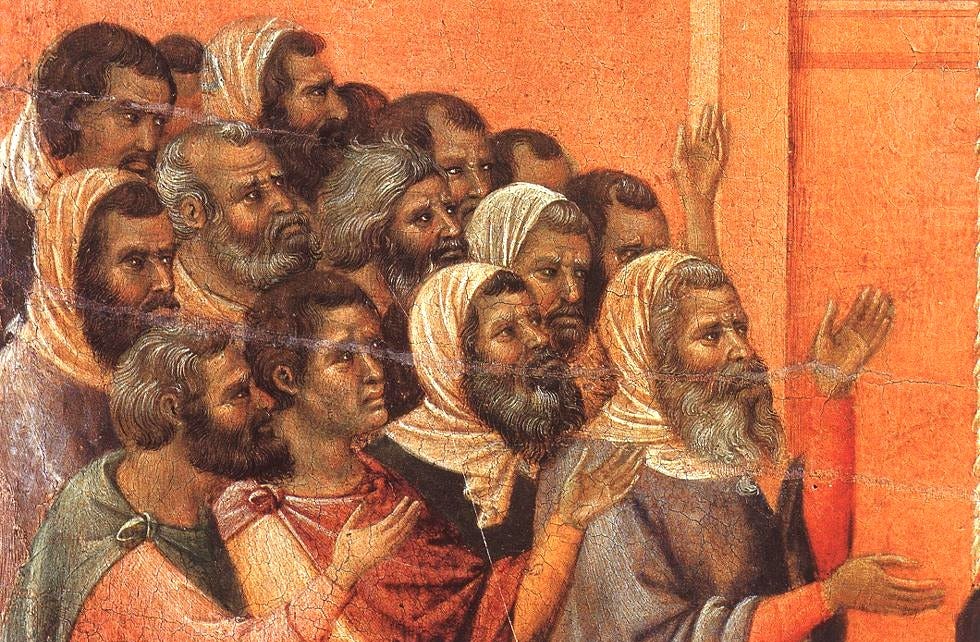
Christ predicts the malice of those priests who would betray Him then, and for centuries to come.
Part III: Why the Apostles and New Testament were so fierce in condemning heresy
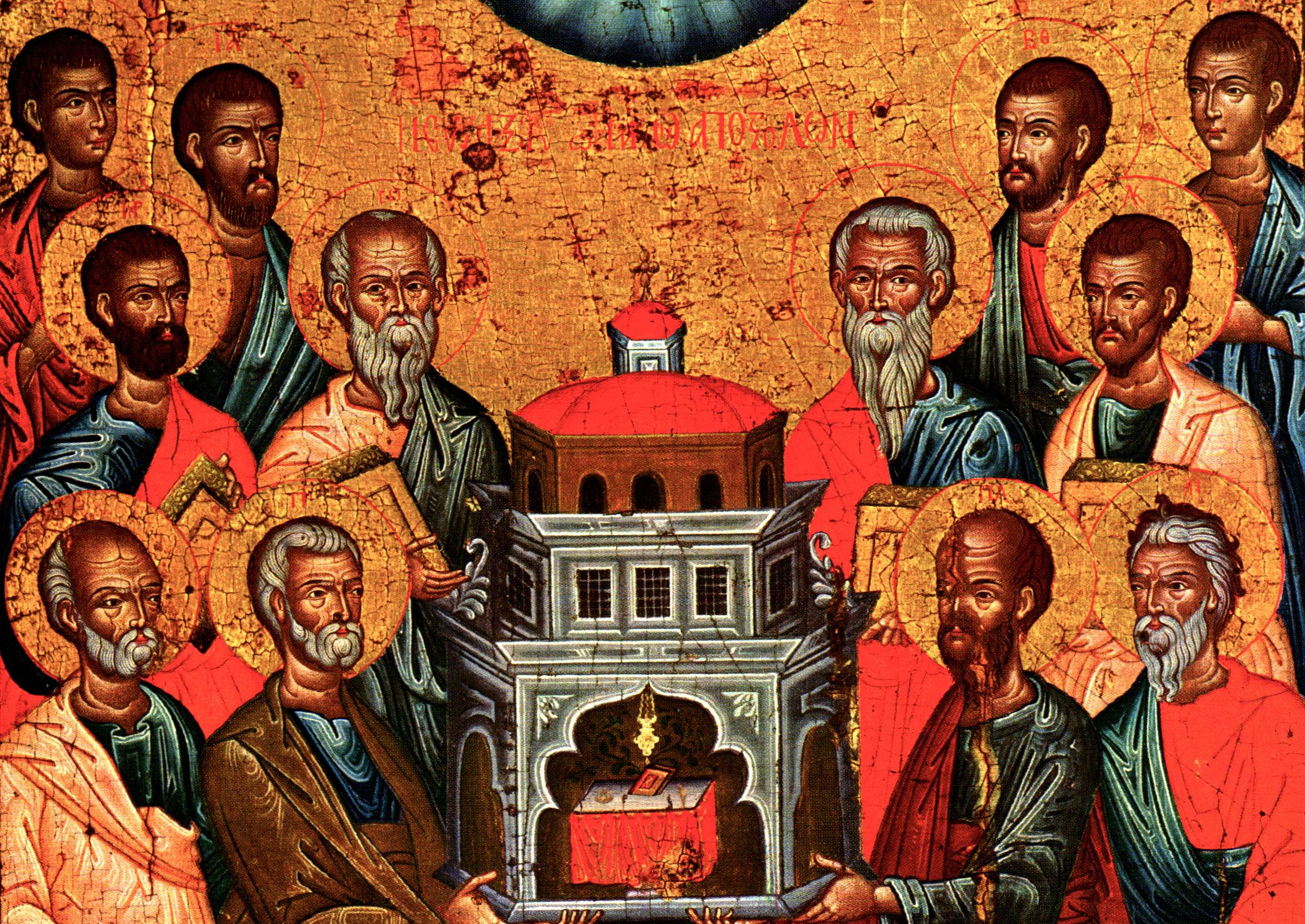
Christ’s warnings about false prophets already began to be fulfilled in the New Testament itself.
Part IV: What the founders of heresies and false religions have in common
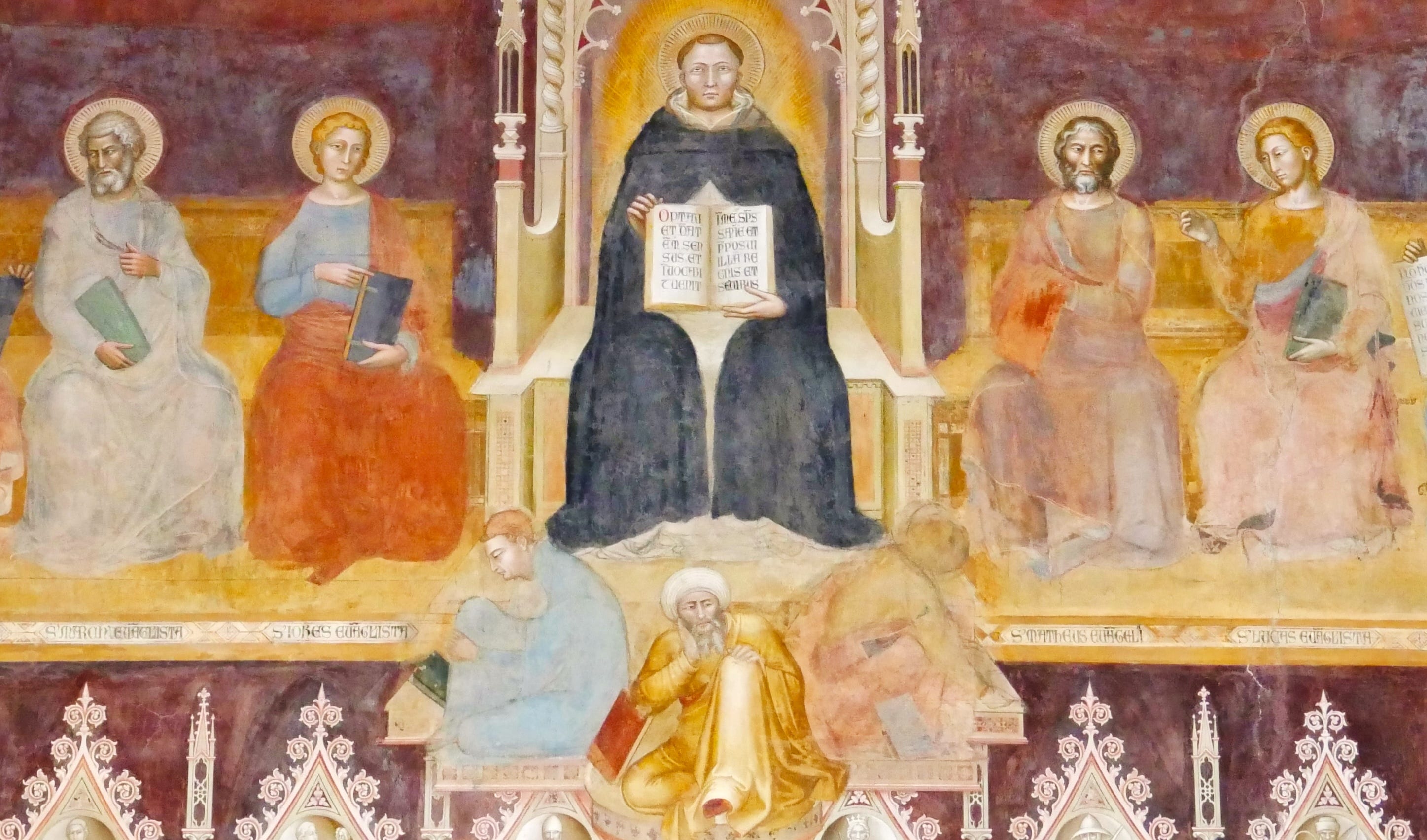
Despite their diversity of age, rank, and doctrine, all heretics and founders of false religions bear the same spiritual mark.
Part V: ‘Wolves in sheep’s clothing’ – perfect description of heretical teachers
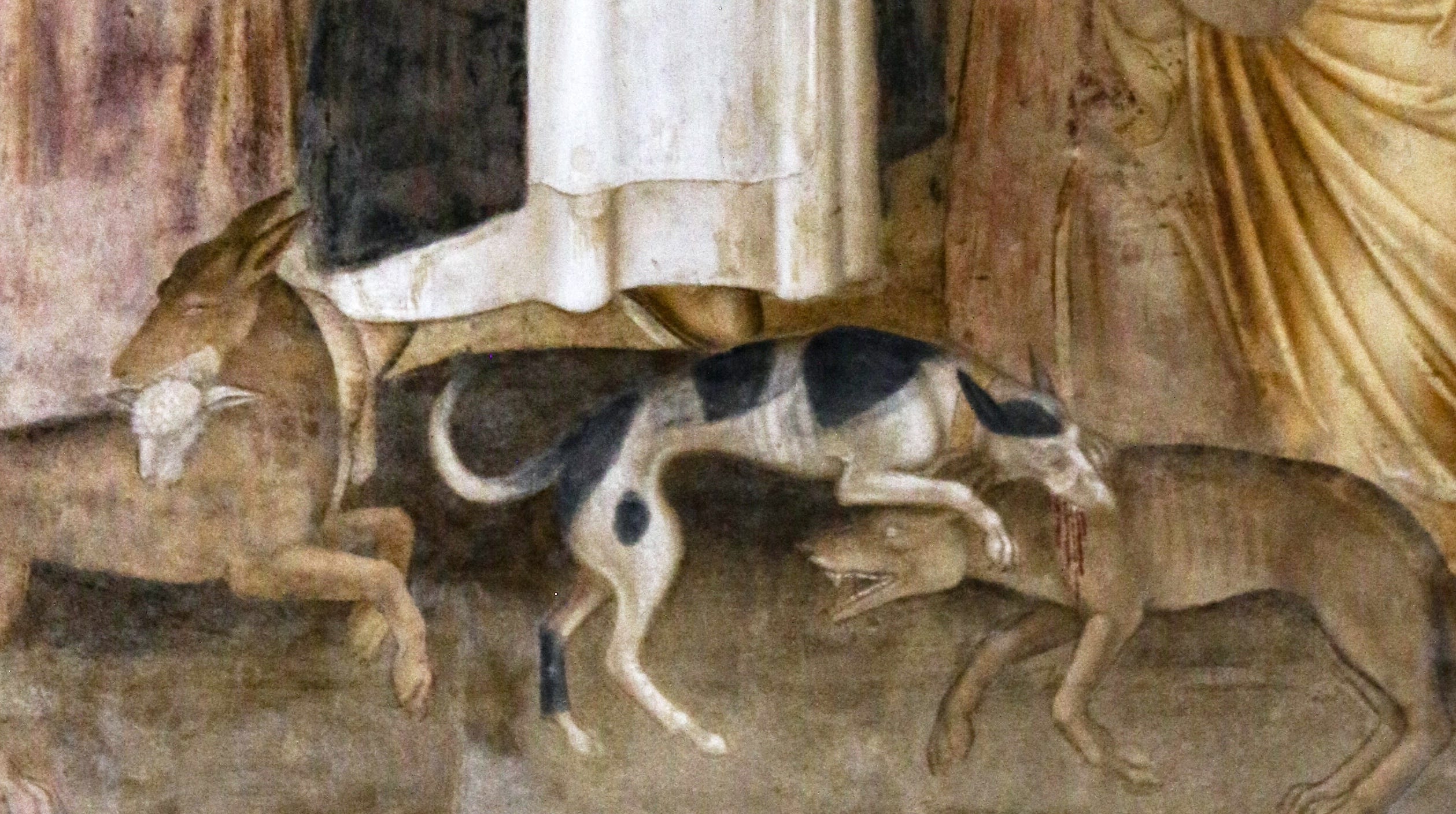
The foulest heretics always present themselves as angels of light, citing Scripture and mimicking the Church – but beneath the externals lies a hatred for truth and souls.
BONUS ARTICLE: Good Shepherd Sunday
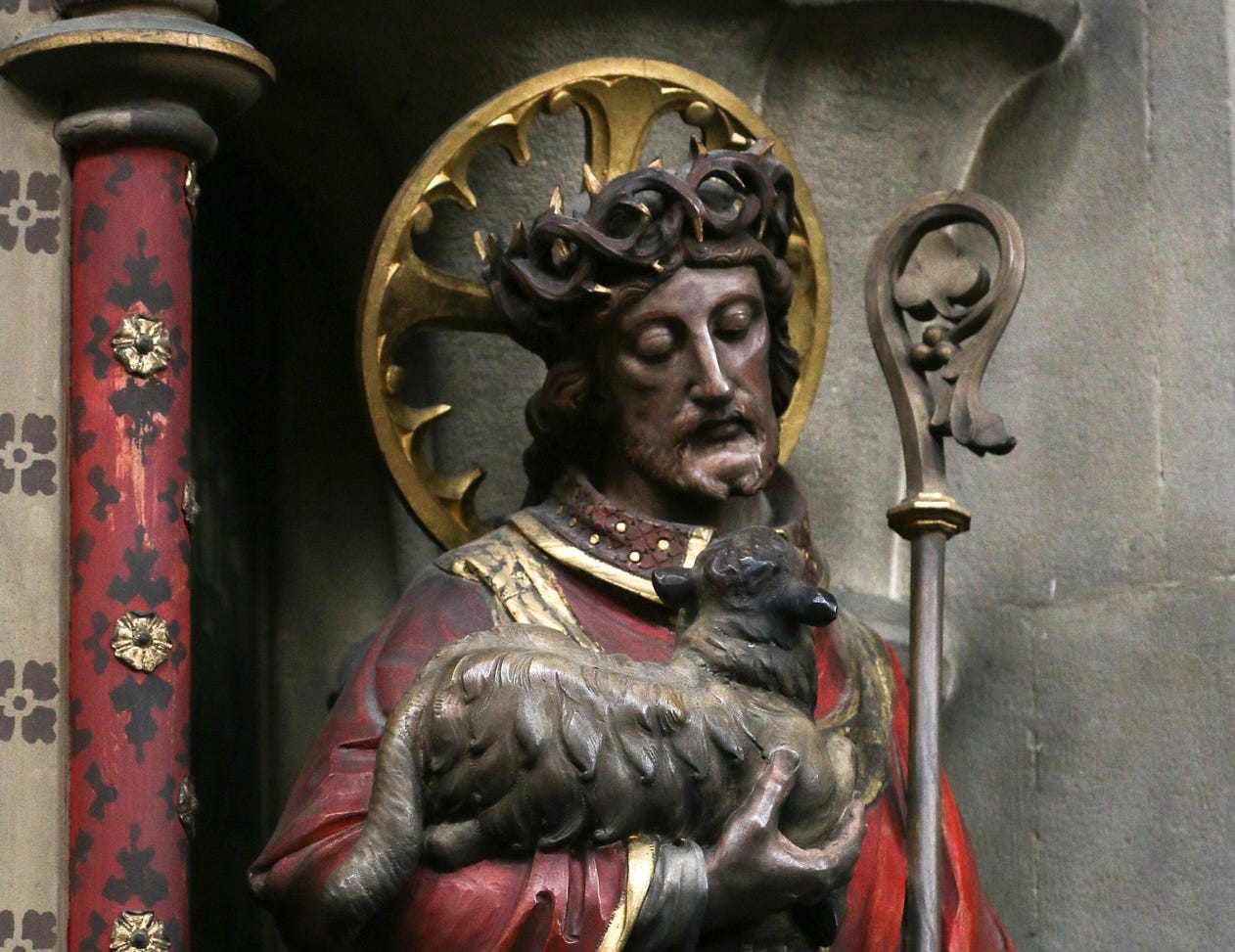
On the Second Sunday after Easter, Our Lord tells us how and why he is ‘the Shepherd and Bishop’ of our souls.
BONUS ARTICLE: Does charity require us to assume orthodoxy and good will?
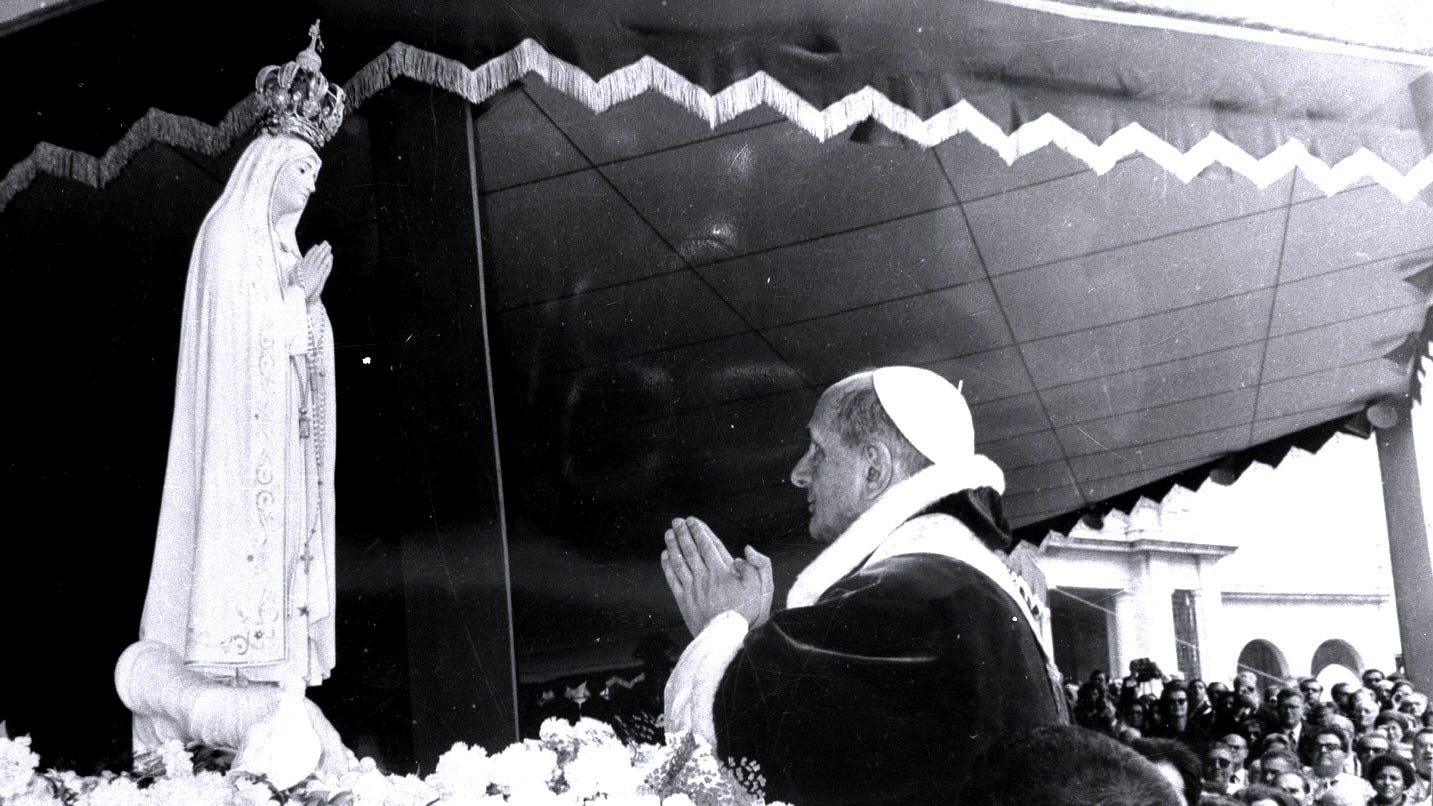

The idea of a dogmatic ‘benefit of the doubt’ is contradicted by the Catholic authority.
BONUS ARTICLE: ‘Anathematise those who teach new doctrines’ – St Robert Bellarmine
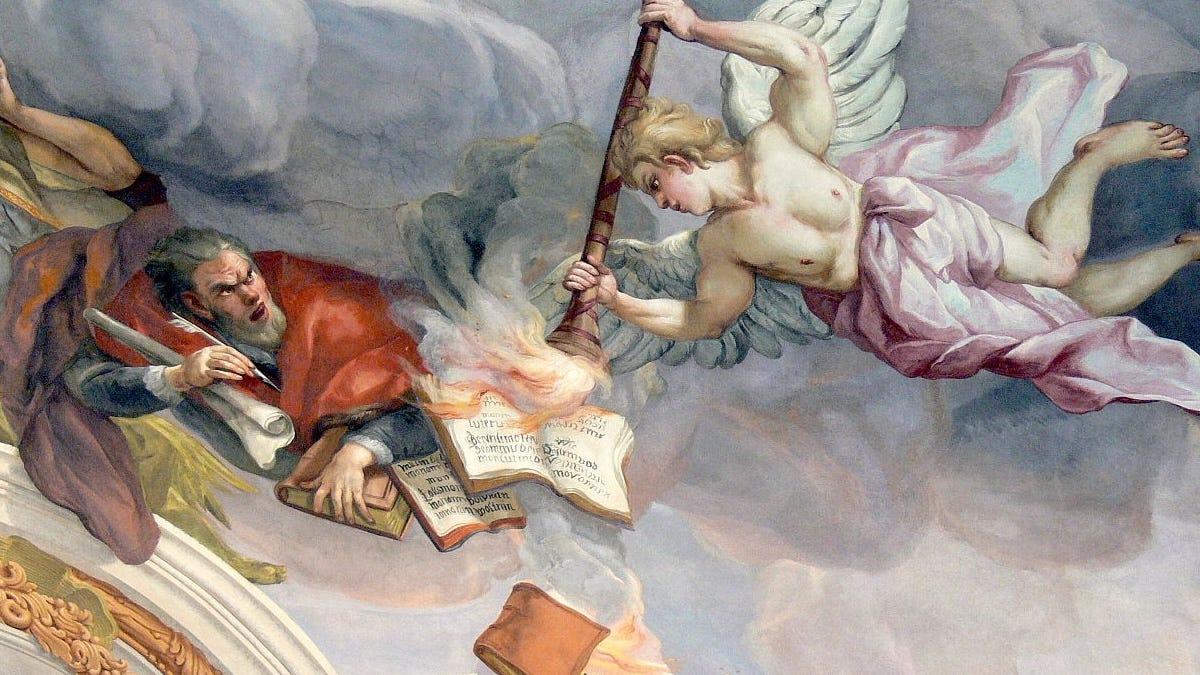

St Robert Bellarmine, Doctor of the Church, taught that laymen can discern true pastors from false by their contradiction of previous teaching, and that they should anathematise them.
Here’s why you should subscribe to The Father Coleridge Reader and share with others:
Fr Coleridge provides solid explanations of the entirety of the Gospel
His work is full of doctrine and piety, and is highly credible
He gives a clear trajectory of the life of Christ, its drama and all its stages—increasing our appreciation and admiration for the God-Man.
If more Catholics knew about works like Coleridge’s, then other works based on sentimentality and dubious private revelations would be much less attractive.
But sourcing and curating the texts, cleaning up scans, and editing them for online reading is a labour of love, and takes a lot of time.
Will you lend us a hand and hit subscribe?
Follow our projects on Twitter, YouTube and Telegram:
Twitter (The WM Review)
A whole nation can engage in a false 'group' prophetic mind that gives birth to little messianic complexes. The contemporary Polish Moshiach AKA Dr K is an example.
We are often charged with the 'crime' of playing armchair theologian when criticising obvious heterodoxy. Good to know that the faithful can, and indeed should, call out the errors of false teachers. No degree in theology required to recognise blatant heresy, a basic catechesis shoud suffice. And not to treat the wolves with kid gloves is pretty apt considering the danger they present. To here Prevost being addressed as "Holy Father" was a bit more than i coukd stomach. He wears the sheep's clothing more convincingly than Francis and hence all the more dangerous.