

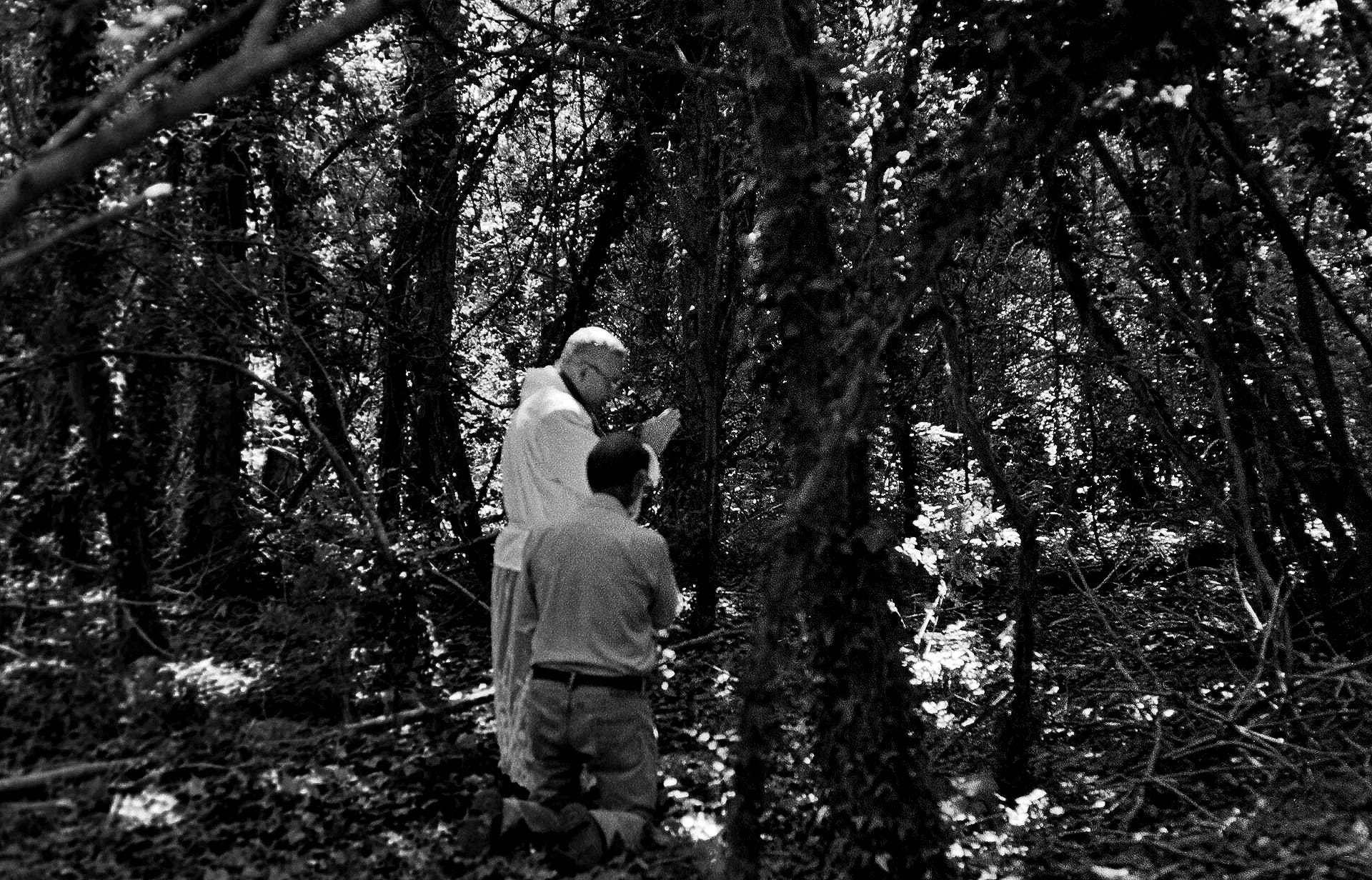
The Eighteenth Sunday after Pentecost is closely linked to the Ember Days – and the ordination to the priesthood that traditionally took place on Ember Saturday.
Editor’s Notes
The Eighteenth Sunday after Pentecost always follows September’s Ember Days in the Missal – although not necessarily in the Calendar. This year, it happens to follow John XXIII’s revised dating of the Ember Days. Fr John Zuhlsdorf recently explained the connection as understood by some authorities:
“In some ancient arrangements it was a Dominica vacat, an ‘empty Sunday.’ This is because the Saturday Ember vigil had continued into Sunday morning, leaving no separate Sunday formulary. As provision was made for places where that vigil was not observed, the Church gave this Sunday its own Mass formulary. Thus the sequence of readings from Ephesians is interrupted, and we hear the opening thanksgiving of 1st Corinthians.”
Dom Prosper Guéranger seems a little sceptical of this:
“It has been thought, by some, that its having the number it bears has caused it to be inserted in the Missal immediately after the Ember Days of autumn. We will not, like the Liturgists of the Middle Ages, (Berno Aug., Chap. 5, etc.) discuss the question as to whether we should consider it has having taken the place of the vacant Sunday, which formerly used always to follow the ordination of the sacred ministers, (Microlog., Chap 29) in the manner we have elsewhere described. (Gueranger, Advent: Ember Saturday)”
He concludes by acknowledging the links that seem to exist between this Sunday’s Propers and the Ember Days – particularly in its references to the priesthood and ordination, as is present in today’s Gospel – but adds:
“[T]he Liturgy of the present Sunday is doubly telling, when it immediately follows the Ember Days of September. But this coincidence is far from being one of every year’s occurrence, at least as the Liturgy now stands; nor can we dwell longer on these subjects without seeming to be going too far into archæology, and exceeding the limits we have marked out for ourselves.”
As Guéranger suggests, the long Ember Saturday Mass and ordination rite has not been a feature for many centuries, and so this Mass formulary became, according to some authorities, part of the regular post-Pentecost cycle.
In the Gospel on this Eighteenth Sunday after Pentecost, Our Lord heals the paralytic man let down through the roof – after first forgiving his sins.
At that time, Jesus, getting into a boat, crossed over and came to his own town. And behold, they brought to Him a paralytic lying on a pallet. And Jesus, seeing their faith, said to the paralytic, Take courage, son; your sins are forgiven you. And behold, some of the scribes said within themselves, This man blasphemes. And Jesus, knowing their thoughts, said, Why do you harbor evil thoughts in your hearts? For which is easier, to say, ‘Your sins are forgiven you,’ or to say, ‘Arise, and walk’? But that you may know that the Son of Man has power on earth to forgive sins, - then He said to the paralytic - Arise, take up your pallet and go to your house. And he arose, and went away to his house. But when the crowds saw it, they were struck with fear, and glorified God Who had given such power to men. (Matt 9.1–8)
This event occurs early in the Galilean ministry, soon after the cleansing of the leper and the preaching tour that followed.
Christ returned to Capharnaum to teach before a large, mixed audience of the devout, curious, sceptical and immoral. It certainly included Pharisees and doctors of the Law: Fr Coleridge points out that this event took place prior to widespread hostility on the parts of these men – and emphasises that many of them would have been of good will, and would have made up the converts spoken of by Acts and the Gospels themselves.
The short Gospel passage provides a great deal of material for reflection in Coleridge’s chapter, from the nature of punishment for sin, the role of miracles in the Church, and the importance of Confession and the Priesthood.
Given the centrality of the priesthood to an event involving the forgiveness of sin, it is fitting that this incident is immediately followed by Our Lord calling Matthew/Levi (whose feast day falls around this time of year).
The Healing of the Paralytic
The Training of the Apostles, Part I
Chapter IV
St. Matt. ix. 1–9; St. Mark ii. 1–14; St. Luke v. 17–29
Story of the Gospels, § 139
Burns and Oates, London, 1884
Eighteenth Sunday after Pentecost
Part I: Why Jesus’ timing in healing and forgiving the Paralytic was important
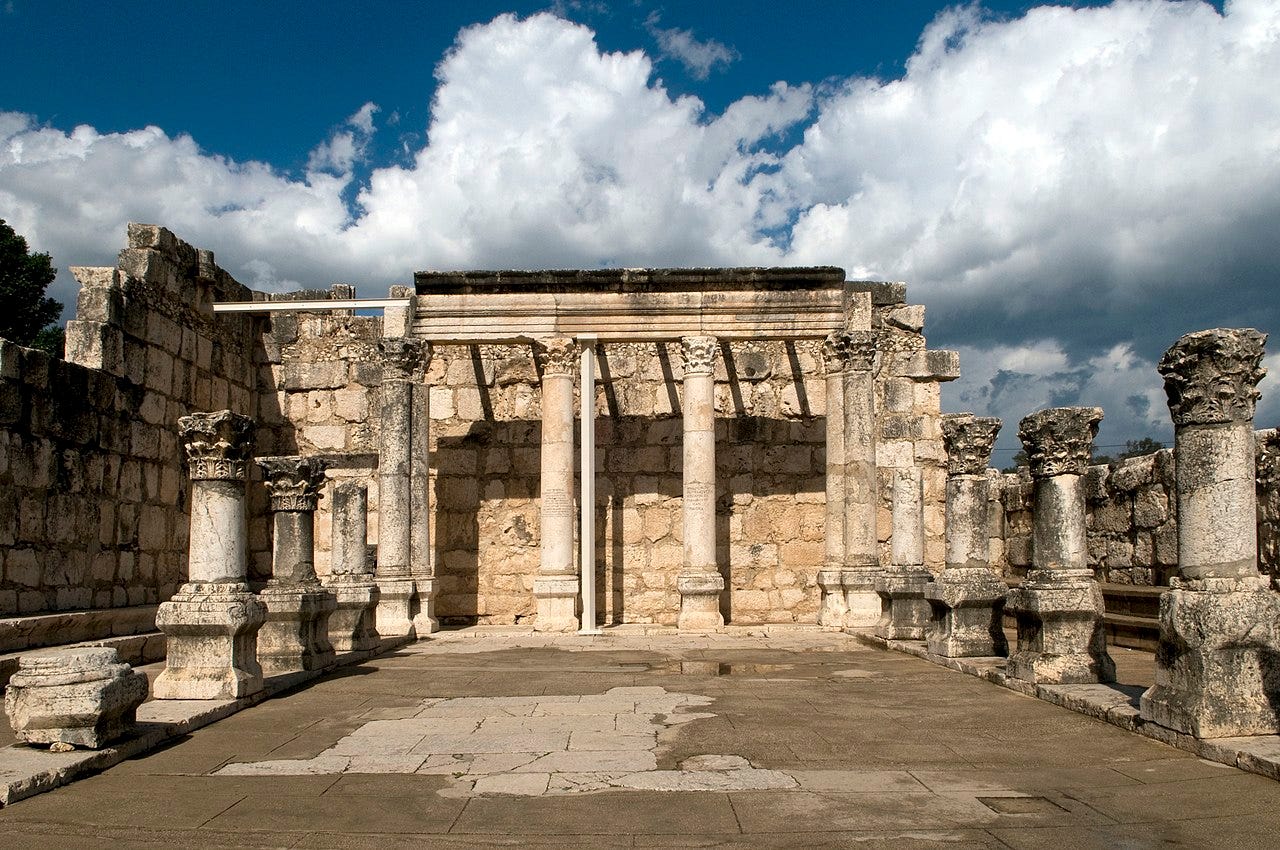
The start of Our Lord’s ministry must have seemed like one stupendous miracle after another. But it was deliberately leading up to something...
Part II: Who was in the crowd of religious leaders when Jesus healed the Paralytic?
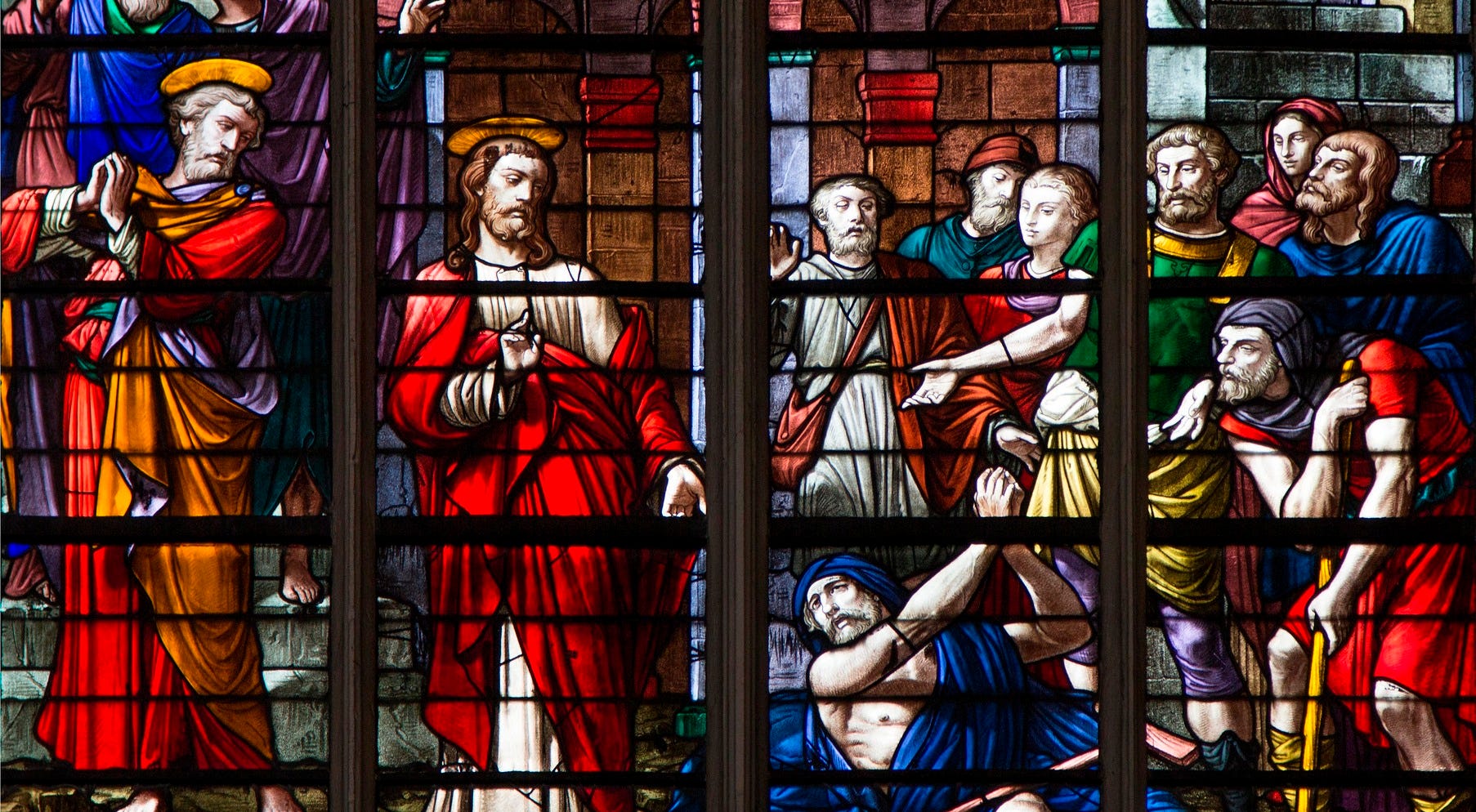
Were they actually as hostile as they are often depicted?
Part III: Why Jesus said ‘Thy sins are forgiven’ before healing the Paralytic
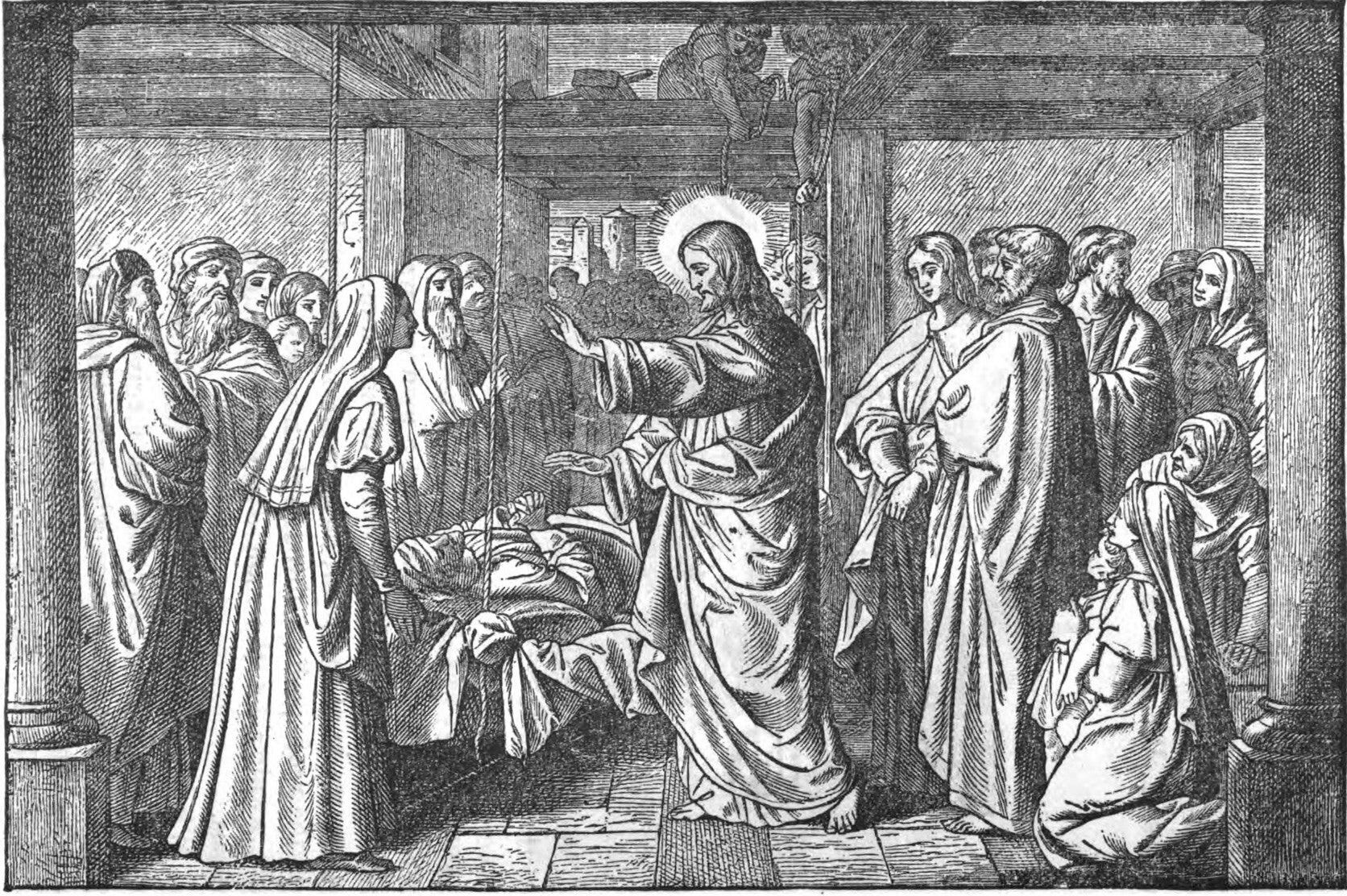
What is the connection between the miracle, sin and punishment?
Part IV: How Jesus used the Pharisees’ doubts to make his point
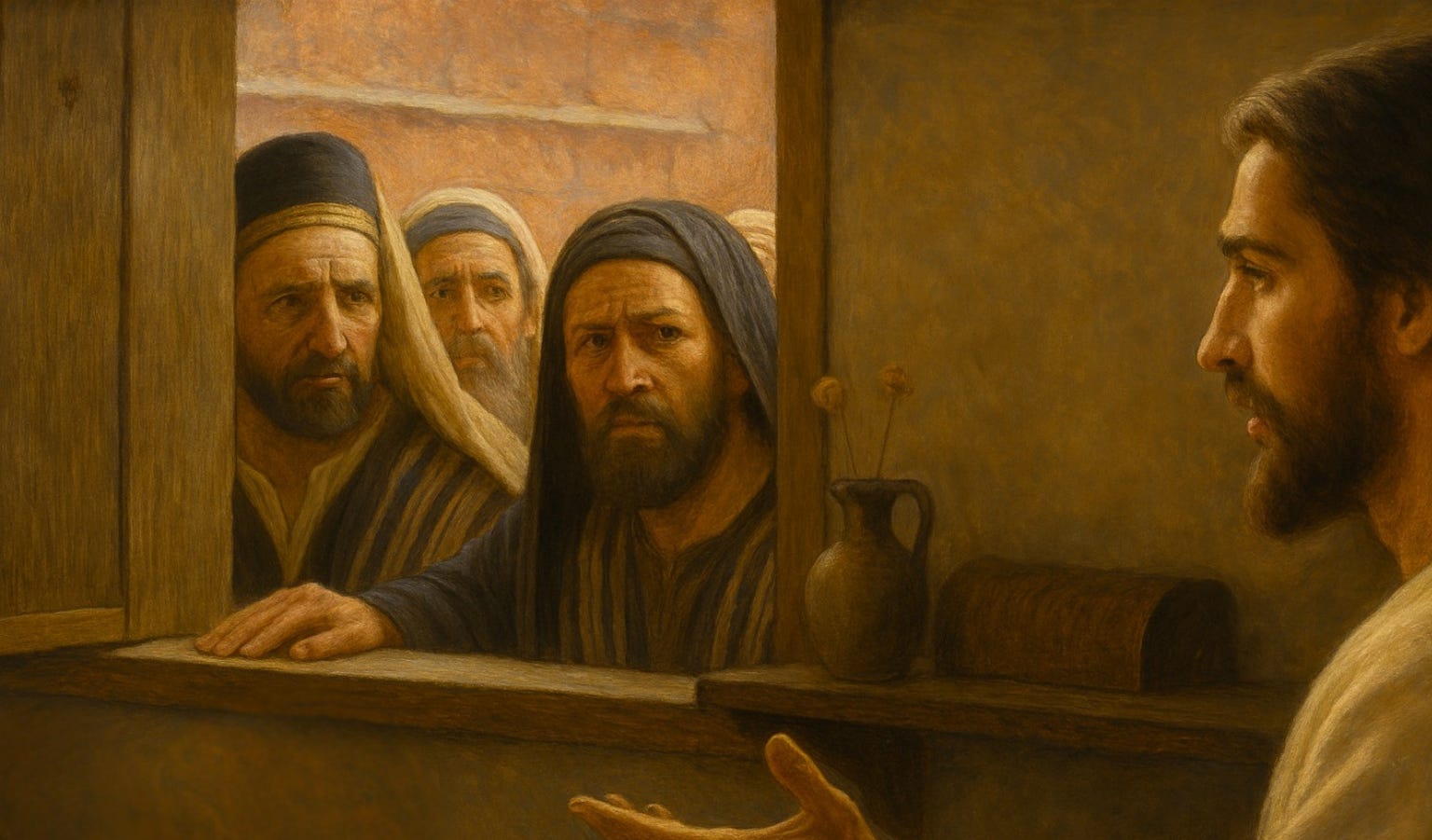
Christ’s answer to the Pharisees acknowledges the main plank of their reservations as a means of proving his divine power.
Part V: Can men receive the power to forgive sin?
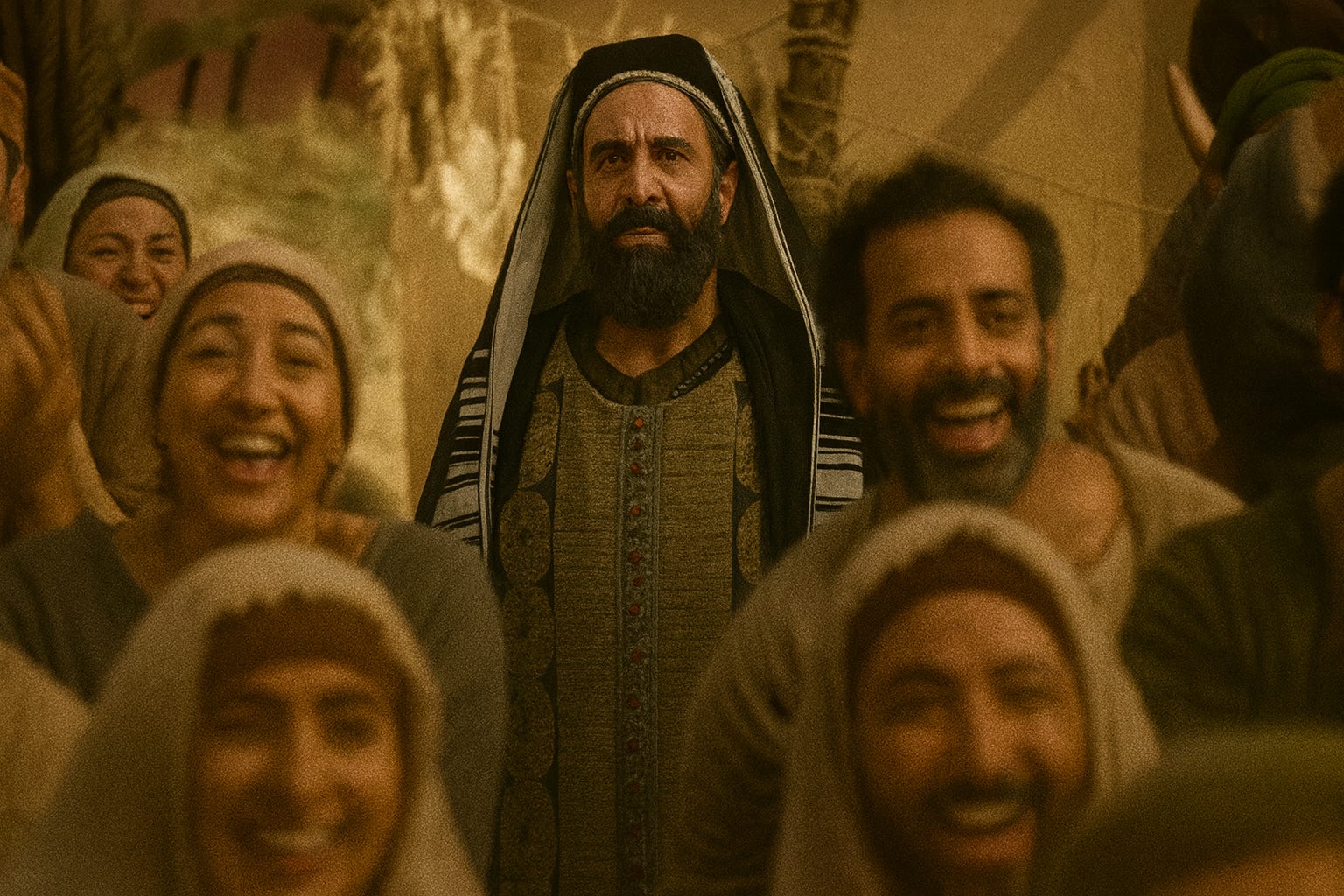
Everyone who witnessed the miracle understood the point, and rejoiced at it – even though many heretics deny the doctrine today.
Part VI: The value of priests and confession, proved by the healing of the Paralytic
The miracle of the paralytic points to the mercy of God: the forgiveness of sins through men, for men — a power feared by devils, denied by heretics, and neglected in the modern world.
Here’s why you should subscribe to The Father Coleridge Reader and share with others:
Fr Coleridge provides solid explanations of the entirety of the Gospel
His work is full of doctrine and piety, and is highly credible
He gives a clear trajectory of the life of Christ, its drama and all its stages—increasing our appreciation and admiration for the God-Man.
If more Catholics knew about works like Coleridge’s, then other works based on sentimentality and dubious private revelations would be much less attractive.
But sourcing and curating the texts, cleaning up scans, and editing them for online reading is a labour of love, and takes a lot of time.
Will you lend us a hand and hit subscribe?
Follow our projects on Twitter, YouTube and Telegram:
Twitter (The WM Review)