

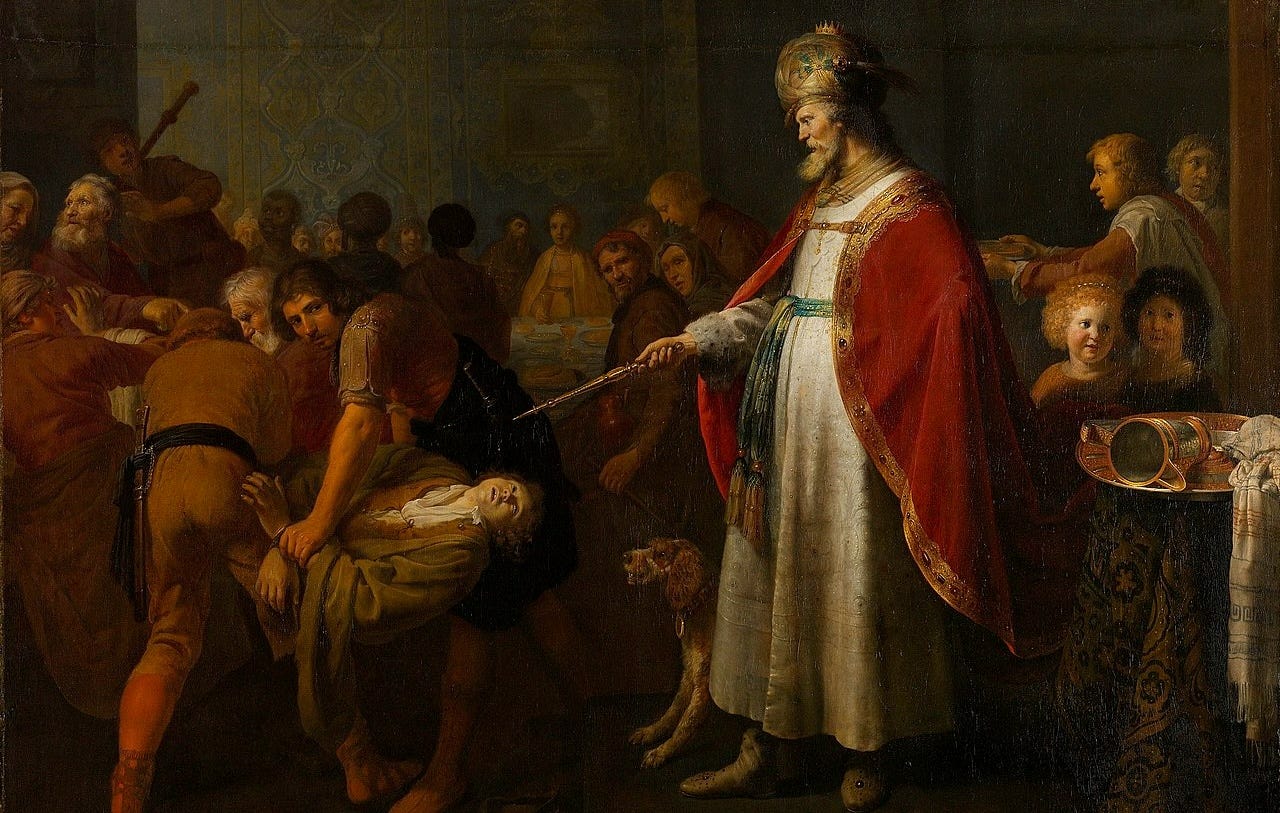
The Nineteenth Sunday after Pentecost presents one of the most terrifying parables of all – but have you caught all the layers of meaning here?
Editor’s Notes
The Nineteenth Sunday after Pentecost recounts Our Lord’s parable of the Wedding Feast:
At that time, Jesus spoke to the chief priests and the Pharisees in parables, saying, The kingdom of heaven is like a king who made a marriage feast for his son. And he sent his servants to call in those invited to the marriage feast, but they would not come. Again he sent out other servants, saying, ‘Tell those who are invited, behold, I have prepared my dinner; my oxen and fatlings are killed, and everything is ready; come to the marriage feast.’
But they made light of it, and went off, one to his farm, and another to his business; and the rest laid hold of his servants, treated them shamefully, and killed them. But when the king heard of it, he was angry; and he sent his armies, destroyed those murderers, and burnt their city.
Then he said to his servants, ‘The marriage feast indeed is ready, but those who were invited were not worthy; go therefore to the crossroads, and invite to the marriage feast whomever you shall find.’ And his servants went out into the roads, and gathered all whom they found, both good and bad; and the marriage feast was filled with guests.
Now the king went in to see the guests, and he saw there a man who had not on a wedding garment. And he said to him, ‘Friend, how did you come in here without a wedding garment?’ But he was speechless. Then the king said to the attendants, ‘Bind his hands and feet and cast him forth into the darkness outside, where there will be the weeping and the gnashing of teeth.’ For many are called, but few are chosen.
This parable was delivered in Holy Week, after Christ’s triumphal entry and His denunciation of the Pharisees. The chief priests had just withdrawn in anger after the parables of the Two Sons and the Wicked Husbandmen.
Our Lord reveals the rejection of Israel and the calling of the Gentiles, warning that even those admitted to His Church must retain the “wedding garment” of faith and obedience. The parable, which is a development of that of the great banquet, moves from the sentence upon the Jewish nation to the moral conditions of belonging to the new Kingdom.
It marks a transition from judgment to instruction – Christ discloses both the generosity and the severity of the Gospel. The new covenant is universal, merciful, and regal – and yet it demands much from its subjects.
For those who are already members of the Church, it is a reminder that we have been blessed, but a warning that outward profession of faith is not sufficient without actual faith and charity in our souls.
The Wedding of the King’s Son
Passiontide, Part I
Chapter VI
St. Matt. xxii. 1-14; Story of the Gospels, § 137.
Burns and Oates, London, 1886.
Nineteenth Sunday after Pentecost
Part I: Why did Christ speak of a wedding feast after condemning the priests?
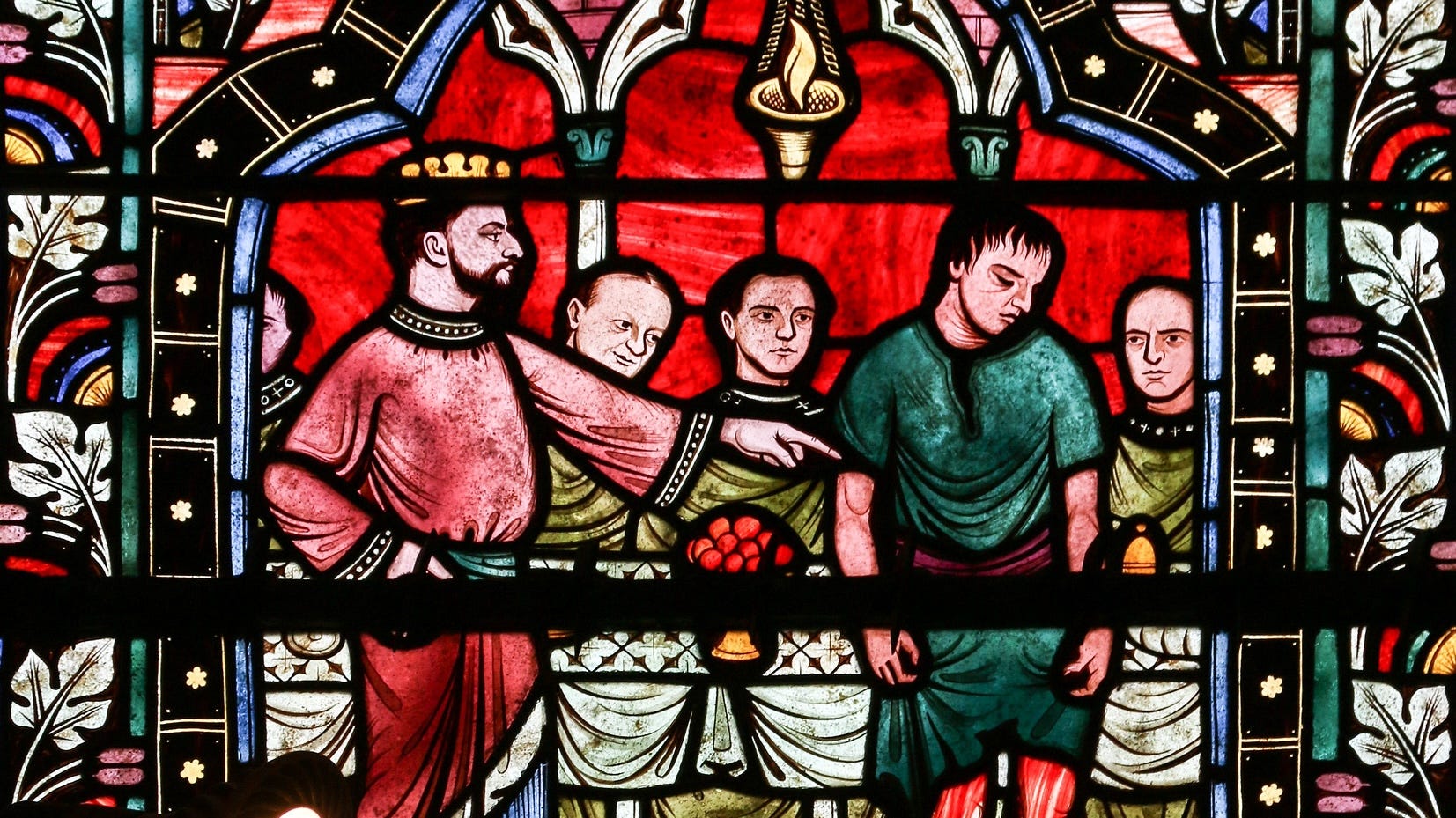
After the priests withdraw in anger, Christ turns to the people with a new parable — revealing that the Synagogue will give place to a universal Kingdom of both justice and mercy.
Part II: The terrifying warning of the parable of the wedding feast
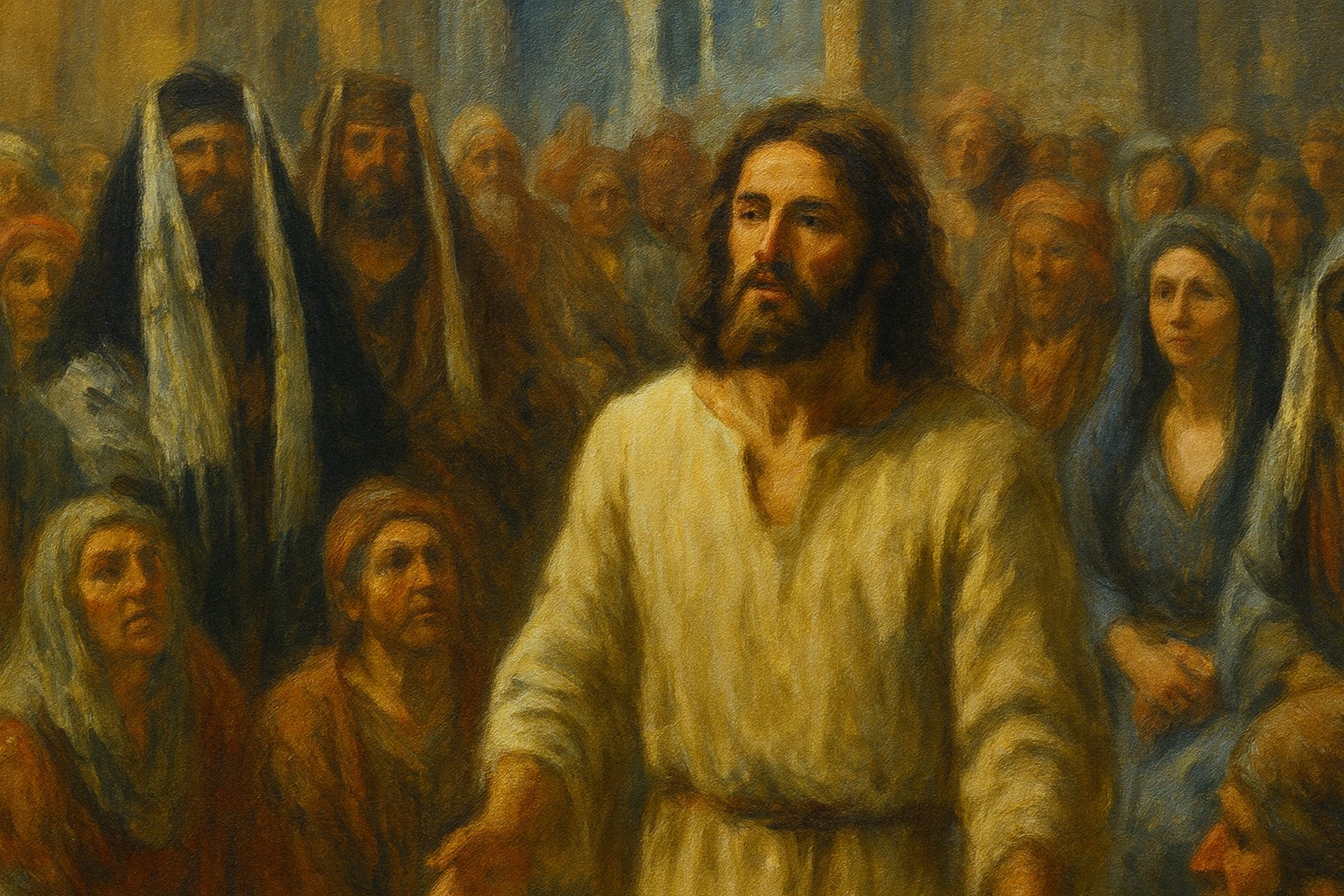
The ‘wedding garment’ and the command to come to the wedding feast give this parable, told in the Temple in Holy Week, a different meaning to the similar one told before.
Part III: ‘The Wedding Garment’ and membership of the Church
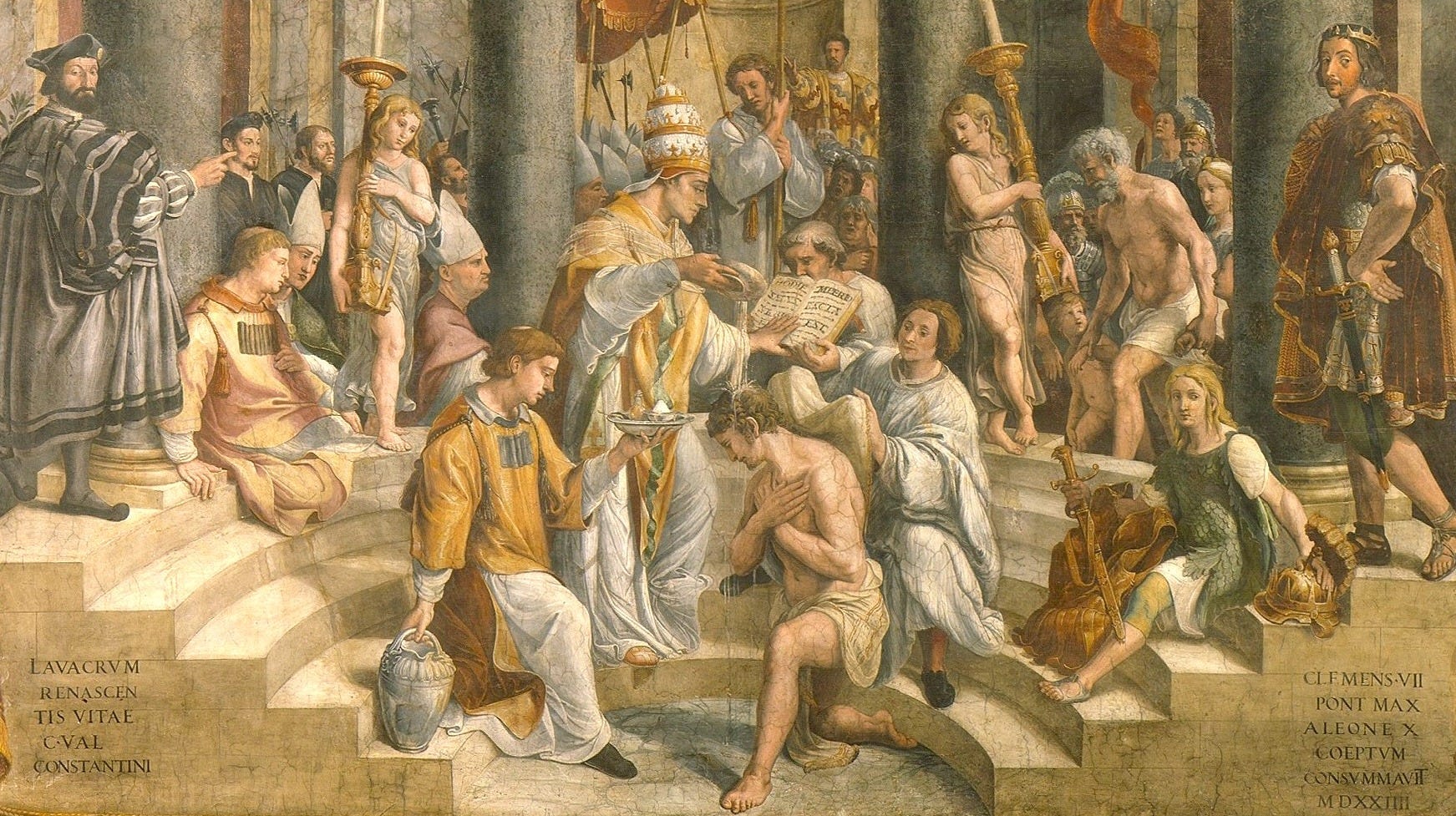
A popular interpretation of the parable sees ‘the wedding garment’ as supernatural grace in the soul – but it also has an application to membership of the Church.
Part IV: ‘The Wedding Garment’ and supernatural charity
The wedding garment is not merely virtue in general, but that charity which unites man to God and his Church.
Part V: How the Parable of the Wedding Feast reveals the judgement of the wicked
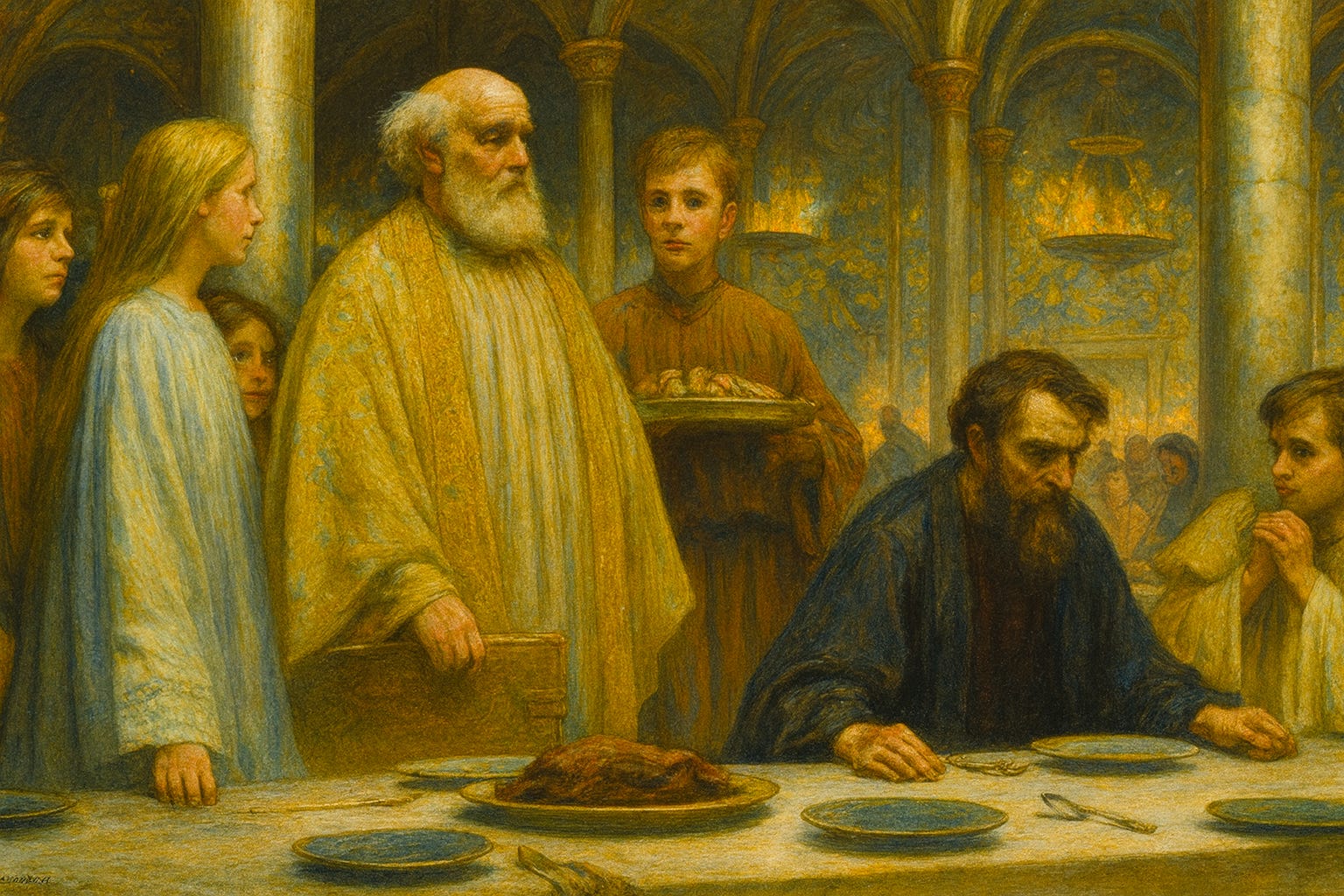
‘Friend, how camest thou in hither?’ The question uncovers the soul’s helpless silence at God’s judgment, where every excuse has vanished, and only truth remains.
Here’s why you should subscribe to The Father Coleridge Reader and share with others:
Fr Coleridge provides solid explanations of the entirety of the Gospel
His work is full of doctrine and piety, and is highly credible
He gives a clear trajectory of the life of Christ, its drama and all its stages—increasing our appreciation and admiration for the God-Man.
If more Catholics knew about works like Coleridge’s, then other works based on sentimentality and dubious private revelations would be much less attractive.
But sourcing and curating the texts, cleaning up scans, and editing them for online reading is a labour of love, and takes a lot of time.
Will you lend us a hand and hit subscribe?
Follow our projects on Twitter, YouTube and Telegram:
Twitter (The WM Review)