

_-_James_Tissot.jpg)
The Twentieth Sunday after Pentecost presents a salutary lesson for our day – the need to avoid signs and wonders, and focus on faith in God.
Editor’s Notes
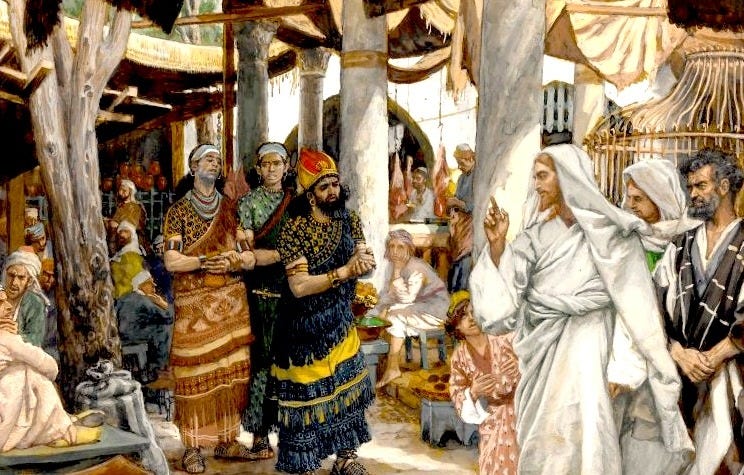
The Twentieth Sunday after Pentecost recounts Our Lord healing the son of the royal official at Capharnaum.
At that time, there was a certain royal official whose son was lying sick at Capharnaum. When he heard that Jesus had come from Judea into Galilee, he went to Him and besought Him to come down and heal his son, for he was at the point of death. Jesus therefore said to him, Unless you see signs and wonders, you do not believe. The royal official said to Him, Sir, come down before my child dies. Jesus said to him, Go your way, your son lives. The man believed the word that Jesus spoke to him, and departed. But even as he was now going down, his servants met him and brought word saying that his son lived. He asked of them therefore the hour in which he had got better. And they told him, Yesterday, at the seventh hour, the fever left him. The father knew then that it was at that very hour in which Jesus had said to him, Your son lives. And he himself believed, and his whole household.
The miracle occurs at the outset of Our Lord’s public ministry – soon after he had spent a few days among the Samaritans. It marks the transition from his early work at Judea, back to Galilee – which will be the new centre of his work for souls.
The central lesson of this passage is the testing and perfecting of faith. The nobleman begins with an imperfect belief, desiring Christ’s bodily presence; but he grows to a purer trust in His word, and receives not only the healing of his son but the enlightenment of his whole household.
The miracle demonstrates that Christ’s power is not confined by space, and that even his words carry healing efficacy.
For us, it is a reminder that our faith is in God’s revelation, already delivered once to the Apostles, and sufficient for us. In our day, many base their faith – or at least their opinions about the crisis in the Church – on private revelations and accounts of miracles which they have read about online. This is very unsound, as the bonus articles below will demonstarte.
The Healing of the Nobleman’s Son
The Ministry of St. John the Baptist
Chapter XXV
St. John iv, 43-54; Story of the Gospels, § 27
(Read at Holy Mass on the Twentieth Sunday after Pentecost)
Burns and Oates, 1886.
Part I: Why does Christ rebuke those who seek signs and wonders?
And why does Jesus seem to prolong the agony of a desperate father seeking healing for his son?
Part II: Does St John’s Gospel contain non sequitur phrases?
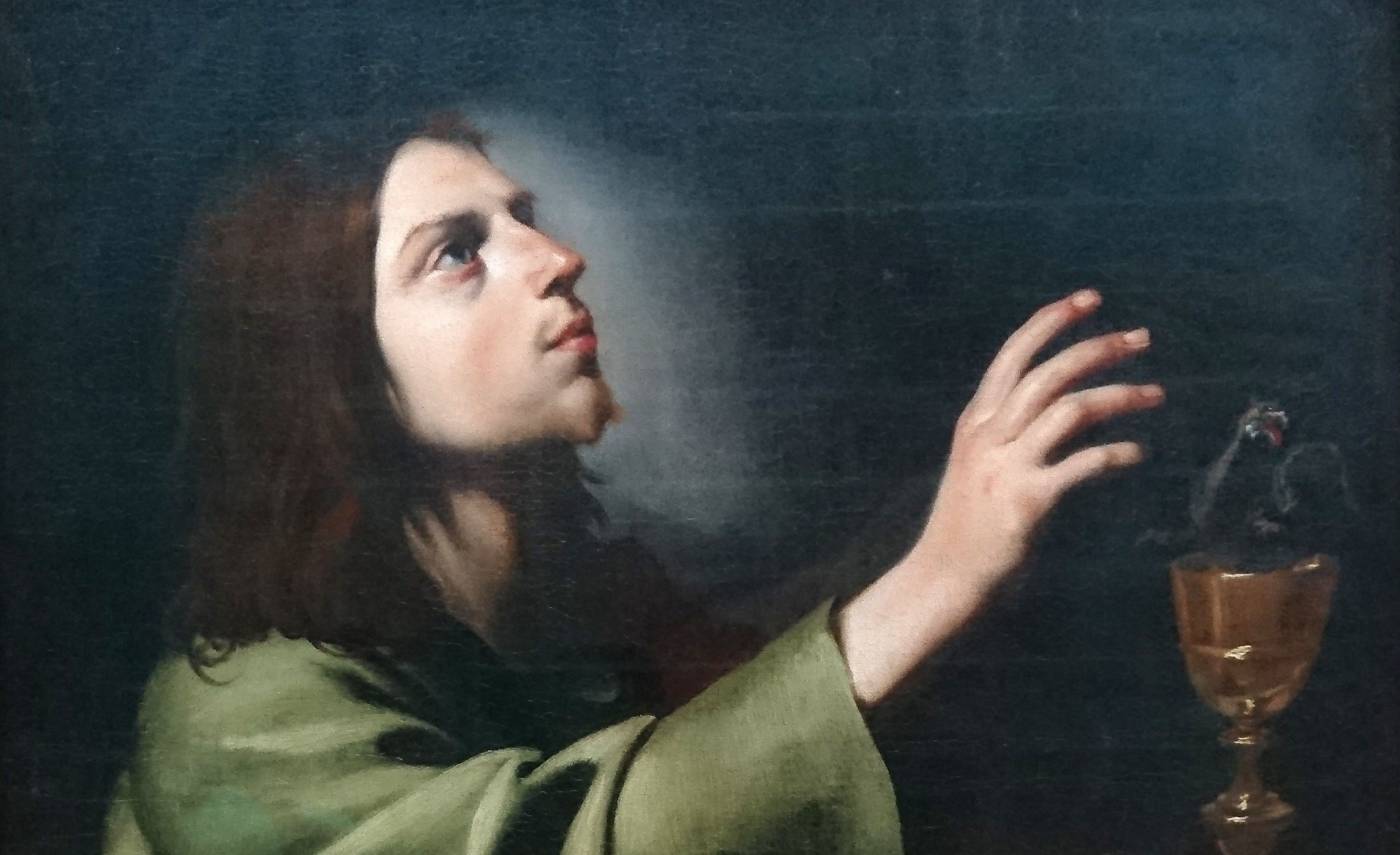
Some phrases from the Fourth Gospel might seem surprising or mystifying – but once we understand the author’s purpose, it all makes sense.
BONUS ARTICLES
Private Revelations, Theology and the Crisis – What should be their relationship?
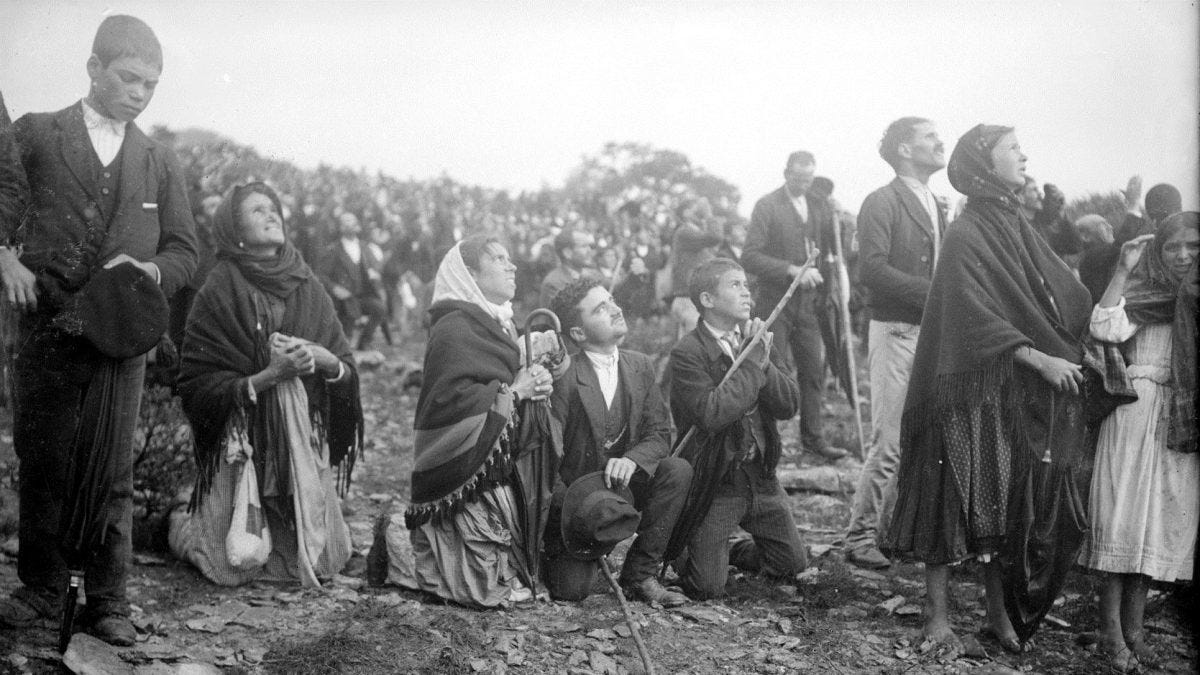
Private revelations cannot be used to contradict traditional theology or short-circuit open questions without creating serious problems, especially in the current ecclesiastical crisis.
An ‘Ottaviani Intervention’ on Signs and Wonders
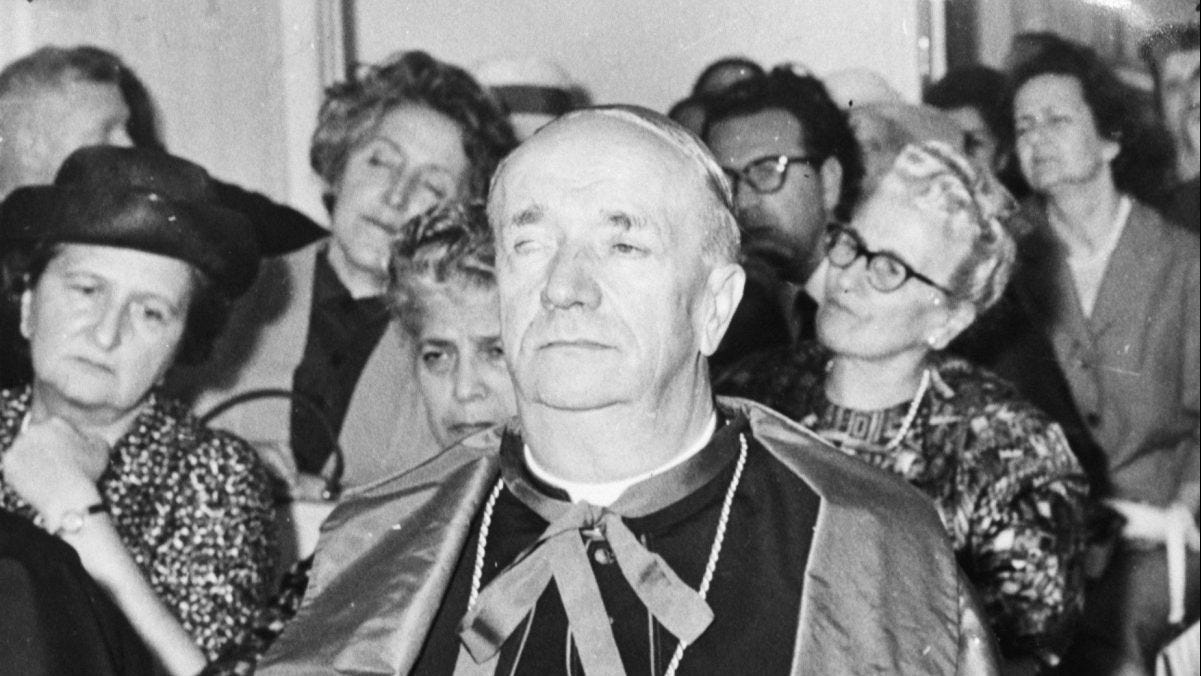

Cardinal Alfredo Ottaviani – author of the famous ‘Ottaviani Intervention’ critiquing the Novus Ordo rite – clarifies the place of signs and wonders in Christian life, and how to avoid being deceived.
True and false miracles in the life of the Church explained

Miracles play a central role in confirming and making credible the claims of Christ and his Church. But what about false miracles? We need be on our guard and hold to doctrine before everything else.
‘Bread from their hands’: Private revelation and Catholics today
Fr Reid Hennick sets out the proper place of private revelations in the life of Catholics.
How should Catholics treat private revelations?


It is essential that Catholics grasp the relationship between private revelations and Catholic teaching. The Church’s magisterium cannot be replaced or supplied by private revelations.
Here’s why you should subscribe to The Father Coleridge Reader and share with others:
Fr Coleridge provides solid explanations of the entirety of the Gospel
His work is full of doctrine and piety, and is highly credible
He gives a clear trajectory of the life of Christ, its drama and all its stages—increasing our appreciation and admiration for the God-Man.
If more Catholics knew about works like Coleridge’s, then other works based on sentimentality and dubious private revelations would be much less attractive.
But sourcing and curating the texts, cleaning up scans, and editing them for online reading is a labour of love, and takes a lot of time.
Will you lend us a hand and hit subscribe?
Follow our projects on Twitter, YouTube and Telegram:
Twitter (The WM Review)